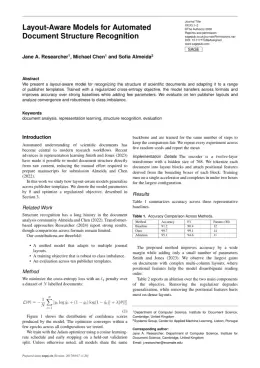
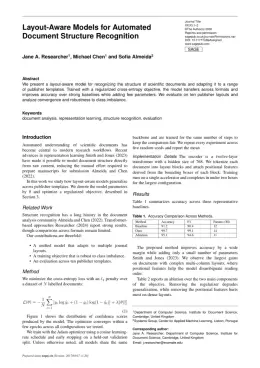
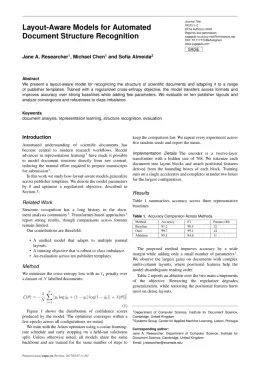
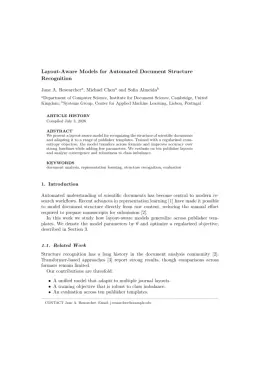
About the Palliative Medicine format
Palliative Medicine is a peer-reviewed journal published by SAGE, covering Palliative Care and End-of-Life Issues, Grief, Bereavement, and Mental Health, Childhood Cancer Survivors' Quality of Life. Over its lifetime it has published 4,897 papers, which have received 160,531 citations.
| Publisher | SAGE |
|---|
| Reference style | Numbered (Vancouver) Numbered — [1], [2] in the text
1. Smith A, Jones B, Lee C. A representative article title. Palliative Medicine. 2023;12(3):45–58.
Formats any DOI in Palliative Medicine style. No sign-up.
|
|---|
| Publishes research in | Palliative Care and End-of-Life Issues Grief, Bereavement, and Mental Health Childhood Cancer Survivors' Quality of Life Cancer survivorship and care Pain Management and Opioid Use |
|---|
| ISSN | 0269-2163 |
|---|
| Citation impact (2-yr) | 6.73 |
|---|
| h-index | 162 |
|---|
| i10-index | 2,589 |
|---|
| Top institutions publishing here | King's College London |
|---|
| Journal website | pmj.sagepub.com |
|---|
| You get | A submission-ready PDF and the editable LaTeX source — ready to submit. |
|---|
Papers published in Palliative Medicine per year
Citation impact of Palliative Medicine by publication year
Citations each year’s papers have accumulated so far — the most recent years are still building up.
Most-cited papers in Palliative Medicine
White paper defining optimal palliative care in older people with dementia: A Delphi study and recommendations from the European Association for Palliative Care
Jenny T. van der Steen, Lukas Radbruch, Cees M.P.M. Hertogh et al. · 4 Jul 2013
BACKGROUND: Dementia is a life-limiting disease without curative treatments. Patients and families may need palliative care specific to dementia. AIM: To define optimal palliative care in dementia. METHODS: Five-round Delphi study. Based on literature, a core group of 12 experts from 6 countries drafted a set of core domains with salient recommendations for each domain.…
European Association for Palliative Care (EAPC) recommended framework for the use of sedation in palliative care
Nathan I. Cherny, Lukas Radbruch · 1 Oct 2009
The European Association for Palliative Care (EAPC) considers sedation to be an important and necessary therapy in the care of selected palliative care patients with otherwise refractory distress. Prudent application of this approach requires due caution and good clinical practice. Inattention to potential risks and problematic practices can lead to harmful and unethical practice which…
The McGill Quality of Life Questionnaire: a measure of quality of life appropriate for people with advanced disease. A preliminary study of validity and acceptability
S. Robin Cohen, Balfour M. Mount, Michael G. Strobel et al. · 1 Jul 1995
This is the first report on the McGill Quality of Life Questionnaire (MQOL), a questionnaire relevant to all phases of the disease trajectory for people with a life-threatening illness. This questionnaire differs from most others in three ways: the existential domain is measured; the physical domain is important but not predominant; positive contributions to quality…
Supporting best practice in reflexive thematic analysis reporting in <i>Palliative Medicine</i> : A review of published research and introduction to the <i>Reflexive Thematic Analysis Reporting Guidelines</i> (RTARG)
Virginia Braun, Victoria Clarke · 12 Mar 2024
Background: Reflexive thematic analysis is widely used in qualitative research published in Palliative Medicine, and in the broader field of health research. However, this approach is often not used well. Common problems in published reflexive thematic analysis in general include assuming thematic analysis is a singular approach, rather than a family of methods, confusing themes…
Sympathy, empathy, and compassion: A grounded theory study of palliative care patients’ understandings, experiences, and preferences
Shane Sinclair, Kate Beamer, Thomas F. Hack et al. · 17 Aug 2016
BACKGROUND: Compassion is considered an essential element in quality patient care. One of the conceptual challenges in healthcare literature is that compassion is often confused with sympathy and empathy. Studies comparing and contrasting patients' perspectives of sympathy, empathy, and compassion are largely absent. AIM: The aim of this study was to investigate advanced cancer patients'…