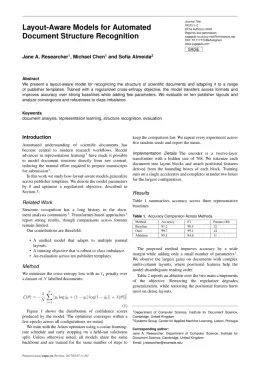
About the Multiple Sclerosis Journal format
Multiple Sclerosis Journal is a peer-reviewed journal published by SAGE, covering Multiple Sclerosis Research Studies, Peripheral Neuropathies and Disorders, Polyomavirus and related diseases. Over its lifetime it has published 7,289 papers, which have received 252,087 citations.
| Publisher | SAGE |
|---|
| Reference style | Numbered (Vancouver) Numbered — [1], [2] in the text
1. Smith A, Jones B, Lee C. A representative article title. Multiple Sclerosis Journal. 2023;12(3):45–58.
Formats any DOI in Multiple Sclerosis Journal style. No sign-up.
|
|---|
| Publishes research in | Multiple Sclerosis Research Studies Peripheral Neuropathies and Disorders Polyomavirus and related diseases Systemic Sclerosis and Related Diseases Systemic Lupus Erythematosus Research |
|---|
| ISSN | 1352-4585 |
|---|
| Citation impact (2-yr) | 3.23 |
|---|
| h-index | 181 |
|---|
| i10-index | 4,192 |
|---|
| Top institutions publishing here | University College London |
|---|
| Journal website | www.sagepub.com |
|---|
| You get | A submission-ready PDF and the editable LaTeX source — ready to submit. |
|---|
Papers published in Multiple Sclerosis Journal per year
Citation impact of Multiple Sclerosis Journal by publication year
Citations each year’s papers have accumulated so far — the most recent years are still building up.
Most-cited papers in Multiple Sclerosis Journal
Rising prevalence of multiple sclerosis worldwide: Insights from the Atlas of MS, third edition
Clare Walton, Rachel King, Lindsay Rechtman et al. · 11 Nov 2020
BACKGROUND: High-quality epidemiologic data worldwide are needed to improve our understanding of disease risk, support health policy to meet the diverse needs of people with multiple sclerosis (MS) and support advocacy efforts. OBJECTIVES: The Atlas of MS is an open-source global compendium of data regarding the epidemiology of MS and the availability of resources for…
International Pediatric Multiple Sclerosis Study Group criteria for pediatric multiple sclerosis and immune-mediated central nervous system demyelinating disorders: revisions to the 2007 definitions
Lauren Krupp, Marc Tardieu, Maria Pia Amato et al. · 9 Apr 2013
BACKGROUND: There has been tremendous growth in research in pediatric multiple sclerosis (MS) and immune mediated central nervous system demyelinating disorders since operational definitions for these conditions were first proposed in 2007. Further, the International Pediatric Multiple Sclerosis Study Group (IPMSSG), which proposed the criteria, has expanded substantially in membership and in its international scope.…
The Multiple Sclerosis Functional Composite measure (MSFC): an integrated approach to MS clinical outcome assessment
Jill S. Fischer, Richard A. Rudick, Gary Cutter et al. · 1 Aug 1999
Clinical outcome assessment in Multiple Sclerosis (MS) is challenging due to the diversity and fluctuating nature of MS symptoms. Traditional clinical scales such as the EDSS are inadequate in their assessment of key clinical dimensions of MS (e.g. , cognitive function), and they have psychometric limitations as well. Based on analyses of pooled data from…
Recommendations for a Brief International Cognitive Assessment for Multiple Sclerosis (BICAMS)
Dawn Langdon, Maria Pia Amato, Jan Boringa et al. · 21 Dec 2011
BACKGROUND: Cognitive impairment in MS impacts negatively on many patients at all disease stages and in all subtypes. Full clinical cognitive assessment is expensive, requiring expert staff and special equipment. Test versions and normative data are not available for all languages and cultures. OBJECTIVE: To recommend a brief cognitive assessment for multiple sclerosis (MS) that…
Validity of the Symbol Digit Modalities Test as a cognition performance outcome measure for multiple sclerosis
Ralph H. B. Benedict, John DeLuca, Glenn Phillips et al. · 16 Feb 2017
Cognitive and motor performance measures are commonly employed in multiple sclerosis (MS) research, particularly when the purpose is to determine the efficacy of treatment. The increasing focus of new therapies on slowing progression or reversing neurological disability makes the utilization of sensitive, reproducible, and valid measures essential. Processing speed is a basic elemental cognitive function…