American Physical Society

American Journal of Physiology-Lung Cellular and Molecular Physiology Template

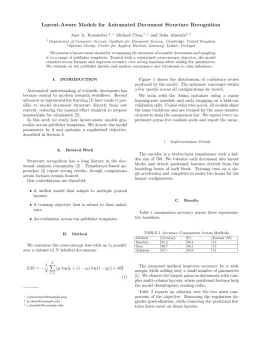
Write in a clean editor, then format for American Journal of Physiology-Lung Cellular and Molecular Physiology in one click — DocuGuru applies the official American Physical Society template with numbered references and exports a submission-ready PDF plus the editable LaTeX source. Free to start.

About the American Journal of Physiology-Lung Cellular and Molecular Physiology format

American Journal of Physiology-Lung Cellular and Molecular Physiology is a peer-reviewed journal published by American Physical Society, covering Neonatal Respiratory Health Research, Asthma and respiratory diseases, Neuroscience of respiration and sleep.

PublisherAmerican Physical Society
Reference styleNumbered (APS)
Numbered — [1], [2] in the text
[1] A. Smith, B. Jones, and C. Lee, American Journal of Physiology-Lung Cellular and Molecular Physiology 12, 45 (2023).

Formats any DOI in American Journal of Physiology-Lung Cellular and Molecular Physiology style. No sign-up.

Publishes research inNeonatal Respiratory Health Research Asthma and respiratory diseases Neuroscience of respiration and sleep Respiratory Support and Mechanisms Nitric Oxide and Endothelin Effects
ISSN1040-0605
Citation impact (2-yr)3.38
h-index209
i10-index7,193
Total citations436,237
Top institutions publishing hereUniversity of Colorado Denver
You getA submission-ready PDF and the editable LaTeX source — ready to submit.

Papers published in American Journal of Physiology-Lung Cellular and Molecular Physiology per year

214
2014
267
2015
219
2016
207
2017
173
2018
197
2019
253
2020
211
2021
136
2022
154
2023
155
2024
133
2025

Citation impact of American Journal of Physiology-Lung Cellular and Molecular Physiology by publication year

13K
2014
12.2K
2015
9.1K
2016
10.2K
2017
6.7K
2018
6.5K
2019
7.5K
2020
4K
2021
1.8K
2022
1.9K
2023
865
2024
288
2025

Citations each year’s papers have accumulated so far — the most recent years are still building up.

Most-cited papers in American Journal of Physiology-Lung Cellular and Molecular Physiology

Reactive oxygen species in cell signaling

Victor J. Thannickal, Barry L. Fanburg · 1 Dec 2000

Reactive oxygen species (ROS) are generated as by-products of cellular metabolism, primarily in the mitochondria. When cellular production of ROS overwhelms its antioxidant capacity, damage to cellular macromolecules such as lipids, protein, and DNA may ensue. Such a state of "oxidative stress" is thought to contribute to the pathogenesis of a number of human diseases…

2,914 citations Cite SaveGo to paper →
Animal models of acute lung injury

Gustavo Matute‐Bello, Charles W. Frevert, Thomas R. Martin · 12 Jul 2008

Acute lung injury in humans is characterized histopathologically by neutrophilic alveolitis, injury of the alveolar epithelium and endothelium, hyaline membrane formation, and microvascular thrombi. Different animal models of experimental lung injury have been used to investigate mechanisms of lung injury. Most are based on reproducing in animals known risk factors for ARDS, such as sepsis,…

1,756 citations Cite SaveGo to paper →
The chemistry of peroxynitrite: a product from the reaction of nitric oxide with superoxide

W. A. PRYOR, Giuseppe L. Squadrito · 1 May 1995

Nitric oxide and superoxide, which are produced by several cell types, rapidly combine to form peroxynitrite. This reaction can result in nitric oxide scavenging, and thus mitigation of the biological effects of superoxide. Also, superoxide can trap and hence modulate the effects of nitric oxide; superoxide dismutase, by controlling superoxide levels, therefore can influence the…

1,505 citations Cite SaveGo to paper →
Unusual inflammatory and fibrogenic pulmonary responses to single-walled carbon nanotubes in mice

Anna A. Shvedova, Elena R. Kisin, Robert R. Mercer et al. · 11 Jun 2005

Single-walled carbon nanotubes (SWCNT) are new materials of emerging technological importance. As SWCNT are introduced into the life cycle of commercial products, their effects on human health and environment should be addressed. We demonstrated that pharyngeal aspiration of SWCNT elicited unusual pulmonary effects in C57BL/6 mice that combined a robust but acute inflammation with early…

1,308 citations Cite SaveGo to paper →
TGF-β-induced EMT: mechanisms and implications for fibrotic lung disease

Brigham C. Willis, Zea Borok · 14 Jul 2007

Epithelial-mesenchymal transition (EMT), a process whereby fully differentiated epithelial cells undergo transition to a mesenchymal phenotype giving rise to fibroblasts and myofibroblasts, is increasingly recognized as playing an important role in repair and scar formation following epithelial injury. The extent to which this process contributes to fibrosis following injury in the lung is a subject…

1,043 citations Cite SaveGo to paper →

American Journal of Physiology-Lung Cellular and Molecular Physiology template — frequently asked questions

How do I write a paper in the American Journal of Physiology-Lung Cellular and Molecular Physiology format?
In DocuGuru you write your manuscript in a normal editor — no LaTeX setup required — and select the American Journal of Physiology-Lung Cellular and Molecular Physiology template. When you export, DocuGuru compiles the paper into the official American Physical Society format and hands you a submission-ready PDF along with the editable LaTeX source.
What reference style does American Journal of Physiology-Lung Cellular and Molecular Physiology use?
American Journal of Physiology-Lung Cellular and Molecular Physiology uses Numbered (APS) references, shown as numbered [1], [2] markers in the text. DocuGuru formats every in-text citation and the reference list in this exact style automatically. A reference appears like this: [1] A. Smith, B. Jones, and C. Lee, American Journal of Physiology-Lung Cellular and Molecular Physiology 12, 45 (2023).
Do I need to know LaTeX to submit to American Journal of Physiology-Lung Cellular and Molecular Physiology?
No. DocuGuru generates the revtex4-2 LaTeX class and compiles the PDF for you in the background, so you get a American Physical Society-ready American Journal of Physiology-Lung Cellular and Molecular Physiology document without writing any LaTeX. If you do want it, the LaTeX source is included in the export.
Can I import an existing draft into the American Journal of Physiology-Lung Cellular and Molecular Physiology template?
Yes. Paste or upload your current manuscript — Word, LaTeX, Markdown, or plain text — and DocuGuru reflows it into the American Journal of Physiology-Lung Cellular and Molecular Physiology format with correct headings, figures, tables, and numbered citations.
Who publishes American Journal of Physiology-Lung Cellular and Molecular Physiology?
American Journal of Physiology-Lung Cellular and Molecular Physiology is a physics journal published by American Physical Society. DocuGuru's American Journal of Physiology-Lung Cellular and Molecular Physiology template matches American Physical Society's official submission format.
Can I export a submission-ready American Journal of Physiology-Lung Cellular and Molecular Physiology PDF?
Yes — DocuGuru produces a PDF built with the official American Journal of Physiology-Lung Cellular and Molecular Physiology template (the revtex4-2 class) that is ready to submit to American Physical Society, together with the matching LaTeX source files.
How much does the American Journal of Physiology-Lung Cellular and Molecular Physiology template cost?
You can start writing in the American Journal of Physiology-Lung Cellular and Molecular Physiology template for free. Exporting the final submission-ready American Journal of Physiology-Lung Cellular and Molecular Physiology PDF and LaTeX source is part of DocuGuru's paid plans — see the app for current pricing.
Use the American Journal of Physiology-Lung Cellular and Molecular Physiology template