Taylor & Francis

Preparative Biochemistry & Biotechnology Template

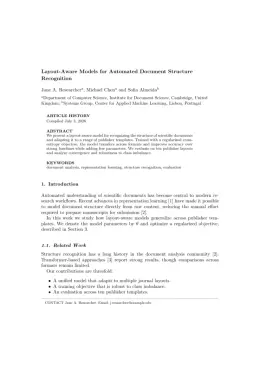
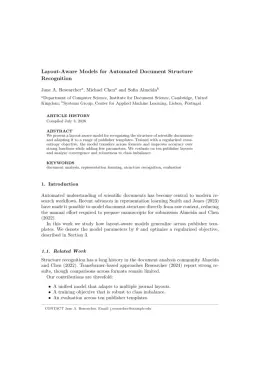
Write in a clean editor, then format for Preparative Biochemistry & Biotechnology in one click — DocuGuru applies the official Taylor & Francis template with author–year references and exports a submission-ready PDF plus the editable LaTeX source. Free to start.

About the Preparative Biochemistry & Biotechnology format

Preparative Biochemistry & Biotechnology is a peer-reviewed journal published by Taylor & Francis, covering Enzyme Production and Characterization, Enzyme Catalysis and Immobilization, Biofuel production and bioconversion.

PublisherTaylor & Francis
Reference styleAuthor–year (Chicago, T&F)
Author–year — (Smith, 2023) in the text
Smith, Ada, Ben Jones, and Cara Lee. 2023. "A Representative Article Title." Preparative Biochemistry & Biotechnology 12 (3): 45–58.

Formats any DOI in Preparative Biochemistry & Biotechnology style. No sign-up.

Publishes research inEnzyme Production and Characterization Enzyme Catalysis and Immobilization Biofuel production and bioconversion Microbial Metabolic Engineering and Bioproduction Microbial Metabolites in Food Biotechnology
ISSN1082-6068
Citation impact (2-yr)1.77
h-index50
i10-index847
Total citations24,735
Top institutions publishing hereInstitute of Chemical Technology
Journal websitewww.tandfonline.com
You getA submission-ready PDF and the editable LaTeX source — ready to submit.

Papers published in Preparative Biochemistry & Biotechnology per year

72
2014
78
2015
91
2016
85
2017
109
2018
160
2019
149
2020
128
2021
108
2022
109
2023
98
2024
161
2025

Citation impact of Preparative Biochemistry & Biotechnology by publication year

1.4K
2014
1.3K
2015
1.3K
2016
1.1K
2017
2.1K
2018
2.7K
2019
2.7K
2020
1.5K
2021
872
2022
671
2023
366
2024
217
2025

Citations each year’s papers have accumulated so far — the most recent years are still building up.

Most-cited papers in Preparative Biochemistry & Biotechnology

Inhibition of<i>α</i>‐Glucosidase by Aqueous Extracts of Some Potent Antidiabetic Medicinal Herbs

Seçil Önal, Suna Tımur, Burcu Okutucu et al. · 1 Jan 2005

Diabetes mellitus is one of the most prevalant diseases of adults. Agents with alpha-glucosidase inhibitory activity have been useful as oral hypoglycemic drugs for the control of hyperglycemia in patients with type 2; noninsulin-dependent, diabetes mellitus (NIDDM). Investigation of some medicinal herbs: Urtica dioica, Taraxacum officinale, Viscum album, and Myrtus communis with alpha-glucosidase inhibitor activity…

An overview of cell disruption methods for intracellular biomolecules recovery

Tatiane Aparecida Gomes, Cristina Maria Zanette, Michele Rigon Spier · 19 Feb 2020

Bacteria, yeast, and microalgae are sources of biomolecules such as enzymes, lipids, pigments, organic acids and, proteins for industrial application. These high-added-value biomolecules are often intracellularly bioaccumulated, and their recovery involves several downstream processes, in which the most crucial stage is the disruption of the cell wall. The choice of the method influences the further…

AN INVESTIGATION ON KERATIN EXTRACTION FROM WOOL AND FEATHER WASTE BY ENZYMATIC HYDROLYSIS

Niloofar Eslahi, Fatemeh Dadashian, Nahid Hemmati Nejad · 14 Jun 2013

In this study, the possibility of keratin extraction from wool and feather by an enzymatic treatment along with a reducing agent has been investigated. The effects of different parameters, that is, enzyme loading, type of substrate and surfactant, hydrolysis time, and reducing agent concentration, have been examined in order to optimize the enzymatic hydrolysis. The…

Rapid Isolation of High‐Quality Total RNA from Taxus and Ginkgo

Zhihua Liao, Min Chen, Liang Guo et al. · 9 Jan 2004

An easy and efficient protocol was developed for isolating good-quality total RNA from various tissues including fruits, leaves, stems, and roots of ancient gymnosperm species, taxus and ginkgo. The protocol was developed based on the CTAB method with modifications, including higher-strength CTAB to help the lysis of plant cells, more PVP, and beta-mercaptoethanol to prevent…

The chemistry of chlorogenic acid from green coffee and its role in attenuation of obesity and diabetes

Vaibhavi A. Pimpley, Siddhi Patil, Kartikeya Srinivasan et al. · 7 Jul 2020

An overview of green coffee, the unroasted bean enriched with antioxidants, is presented in the following article. Green coffee beans are known to have a higher content of chlorogenic acid (CGA) with potential health benefits like activity against hypertension, diabetes, obesity, etc. There are three major classes of chlorogenic acids present in green coffee beans,…

Preparative Biochemistry & Biotechnology template — frequently asked questions

How do I write a paper in the Preparative Biochemistry & Biotechnology format?
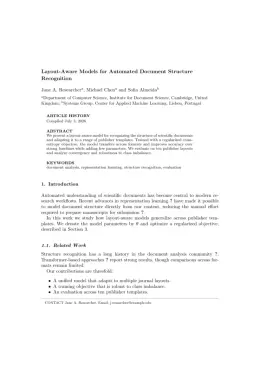
In DocuGuru you write your manuscript in a normal editor — no LaTeX setup required — and select the Preparative Biochemistry & Biotechnology template. When you export, DocuGuru compiles the paper into the official Taylor & Francis format and hands you a submission-ready PDF along with the editable LaTeX source.
What reference style does Preparative Biochemistry & Biotechnology use?
Preparative Biochemistry & Biotechnology uses Author–year (Chicago, T&F) references, shown as author–year markers such as (Smith, 2023) in the text. DocuGuru formats every in-text citation and the reference list in this exact style automatically. A reference appears like this: Smith, Ada, Ben Jones, and Cara Lee. 2023. "A Representative Article Title." Preparative Biochemistry & Biotechnology 12 (3): 45–58.
Do I need to know LaTeX to submit to Preparative Biochemistry & Biotechnology?
No. DocuGuru generates the interact LaTeX class and compiles the PDF for you in the background, so you get a Taylor & Francis-ready Preparative Biochemistry & Biotechnology document without writing any LaTeX. If you do want it, the LaTeX source is included in the export.
Can I import an existing draft into the Preparative Biochemistry & Biotechnology template?
Yes. Paste or upload your current manuscript — Word, LaTeX, Markdown, or plain text — and DocuGuru reflows it into the Preparative Biochemistry & Biotechnology format with correct headings, figures, tables, and author–year citations.
Who publishes Preparative Biochemistry & Biotechnology?
Preparative Biochemistry & Biotechnology is a multidisciplinary journal published by Taylor & Francis. DocuGuru's Preparative Biochemistry & Biotechnology template matches Taylor & Francis's official submission format.
Can I export a submission-ready Preparative Biochemistry & Biotechnology PDF?
Yes — DocuGuru produces a PDF built with the official Preparative Biochemistry & Biotechnology template (the interact class) that is ready to submit to Taylor & Francis, together with the matching LaTeX source files.
How much does the Preparative Biochemistry & Biotechnology template cost?
You can start writing in the Preparative Biochemistry & Biotechnology template for free. Exporting the final submission-ready Preparative Biochemistry & Biotechnology PDF and LaTeX source is part of DocuGuru's paid plans — see the app for current pricing.
Use the Preparative Biochemistry & Biotechnology template