
160 citations
Cite
SaveGo to paper →
Taylor & Francis
Comments on Toxicology Template
Write in a clean editor, then format for Comments on Toxicology in one click — DocuGuru applies the official Taylor & Francis template with author–year references and exports a submission-ready PDF plus the editable LaTeX source. Free to start.
About the Comments on Toxicology format
Comments on Toxicology is a peer-reviewed journal published by Taylor & Francis, covering Environmental Toxicology and Ecotoxicology, Marine Toxins and Detection Methods, Toxic Organic Pollutants Impact.
| Publisher | Taylor & Francis |
|---|---|
| Reference style | Author–year (Chicago, T&F) Author–year — (Smith, 2023) in the text Smith, Ada, Ben Jones, and Cara Lee. 2023. "A Representative Article Title." Comments on Toxicology 12 (3): 45–58.
Formats any DOI in Comments on Toxicology style. No sign-up. |
| Publishes research in | Environmental Toxicology and Ecotoxicology Marine Toxins and Detection Methods Toxic Organic Pollutants Impact Food Allergy and Anaphylaxis Research Effects and risks of endocrine disrupting chemicals |
| ISSN | 0886-5140 |
| h-index | 13 |
| i10-index | 16 |
| Total citations | 745 |
| Top institutions publishing here | Universidade Federal do Rio Grande |
| You get | A submission-ready PDF and the editable LaTeX source — ready to submit. |
Papers published in Comments on Toxicology per year
Citation impact of Comments on Toxicology by publication year
Citations each year’s papers have accumulated so far — the most recent years are still building up.
Most-cited papers in Comments on Toxicology
63 citations
Cite
SaveGo to paper →
Blooms of Cylindrospermopsis raciborskii and Anabaena spiroides were studied in relation to their toxins composition, geographical locations, and other characteristics of the waters in the southern region of Brazil. All forms of Cylindrospermopsis were paralytic shellfish toxin producers, with a similar profile of the toxins. Anabaena blooms were studied in relation to the production of…
51 citations
Cite
SaveGo to paper →
This is a review of the regional (South America) harmful algae blooms associated with paralytic shellfish poisoning (PSP) phycotoxin producers. This review provides a survey of the most relevant recorded events known to have been caused by microalgae that are PSP producers in this region. The geographical distribution of harmful species of PSP phycotoxins producers…
49 citations
Cite
SaveGo to paper →
Formation of reactive oxygen species (ROS) is a natural event for aerobic organisms, but it can be exacerbated by both biological and environmental factors. Cellular oxidative damage is well documented in aquatic organisms, and variations of antioxidants can be sensitive in revealing a pro-oxidant condition. Nonetheless, such effects are difficult to predict according to chemicals,…
48 citations
Cite
SaveGo to paper →
Related journal templates
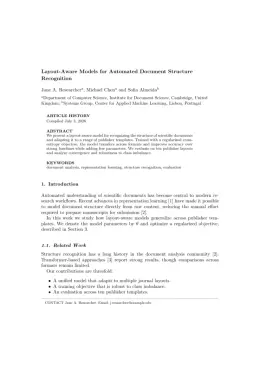
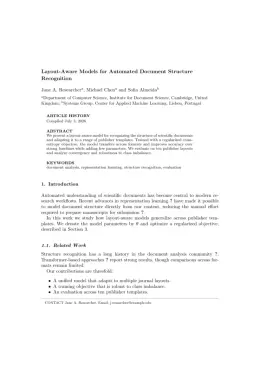
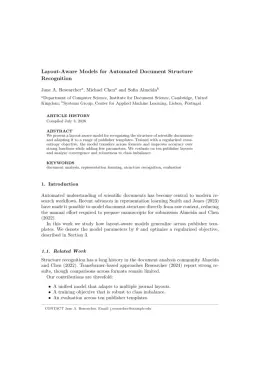
Comments on Toxicology template — frequently asked questions
How do I write a paper in the Comments on Toxicology format?
In DocuGuru you write your manuscript in a normal editor — no LaTeX setup required — and select the Comments on Toxicology template. When you export, DocuGuru compiles the paper into the official Taylor & Francis format and hands you a submission-ready PDF along with the editable LaTeX source.
What reference style does Comments on Toxicology use?
Comments on Toxicology uses Author–year (Chicago, T&F) references, shown as author–year markers such as (Smith, 2023) in the text. DocuGuru formats every in-text citation and the reference list in this exact style automatically. A reference appears like this: Smith, Ada, Ben Jones, and Cara Lee. 2023. "A Representative Article Title." Comments on Toxicology 12 (3): 45–58.
Do I need to know LaTeX to submit to Comments on Toxicology?
No. DocuGuru generates the interact LaTeX class and compiles the PDF for you in the background, so you get a Taylor & Francis-ready Comments on Toxicology document without writing any LaTeX. If you do want it, the LaTeX source is included in the export.
Can I import an existing draft into the Comments on Toxicology template?
Yes. Paste or upload your current manuscript — Word, LaTeX, Markdown, or plain text — and DocuGuru reflows it into the Comments on Toxicology format with correct headings, figures, tables, and author–year citations.
Who publishes Comments on Toxicology?
Comments on Toxicology is a multidisciplinary journal published by Taylor & Francis. DocuGuru's Comments on Toxicology template matches Taylor & Francis's official submission format.
Can I export a submission-ready Comments on Toxicology PDF?
Yes — DocuGuru produces a PDF built with the official Comments on Toxicology template (the interact class) that is ready to submit to Taylor & Francis, together with the matching LaTeX source files.
How much does the Comments on Toxicology template cost?
You can start writing in the Comments on Toxicology template for free. Exporting the final submission-ready Comments on Toxicology PDF and LaTeX source is part of DocuGuru's paid plans — see the app for current pricing.