Springer Nature

Forensic Toxicology Template

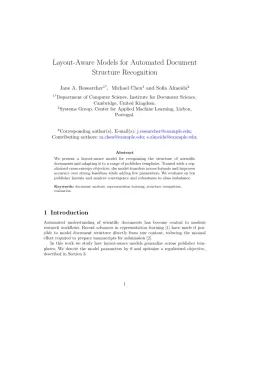
Write in a clean editor, then format for Forensic Toxicology in one click — DocuGuru applies the official Springer Nature template with numbered references and exports a submission-ready PDF plus the editable LaTeX source. Free to start.

About the Forensic Toxicology format

Forensic Toxicology is a peer-reviewed journal published by Springer Nature, covering Forensic Toxicology and Drug Analysis, Cannabis and Cannabinoid Research, Psychedelics and Drug Studies.

PublisherSpringer Nature
Reference styleNumbered (Springer Basic)
Numbered — [1], [2] in the text
1. Smith A, Jones B, Lee C (2023) A representative article title. Forensic Toxicology 12:45–58

Formats any DOI in Forensic Toxicology style. No sign-up.

Publishes research inForensic Toxicology and Drug Analysis Cannabis and Cannabinoid Research Psychedelics and Drug Studies Alcohol Consumption and Health Effects Neurotransmitter Receptor Influence on Behavior
ISSN1860-8965
Citation impact (2-yr)2.06
h-index53
i10-index407
Total citations14,099
Article processing charge$4,390
Top institutions publishing hereHamamatsu University School of Medicine
Journal websitewww.springer.com
You getA submission-ready PDF and the editable LaTeX source — ready to submit.

Papers published in Forensic Toxicology per year

41
2014
60
2015
83
2016
51
2017
60
2018
53
2019
47
2020
81
2021
47
2022
21
2023
33
2024
43
2025

Citation impact of Forensic Toxicology by publication year

1K
2014
1.4K
2015
889
2016
1.3K
2017
1.2K
2018
855
2019
394
2020
748
2021
441
2022
158
2023
149
2024
50
2025

Citations each year’s papers have accumulated so far — the most recent years are still building up.

Most-cited papers in Forensic Toxicology

Fatal sarin poisoning in Syria 2013: forensic verification within an international laboratory network

Harald John, Marcel J. van der Schans, Marianne Koller et al. · 21 Jul 2017

During the United Nations fact-finding mission to investigate the alleged use of chemical warfare agents in the Syrian Arab Republic in 2013, numerous tissues from a deceased female victim, who had displayed symptoms of cholinergic crisis, were collected. The Organisation for the Prohibition of Chemical Weapons (OPCW) authorized two specialized laboratories in the Netherlands and…

Comprehensive review of the detection methods for synthetic cannabinoids and cathinones

Akira Namera, Maho Kawamura, Akihiro Nakamoto et al. · 5 Mar 2015

-alkyl indole or indazole-3-carbonyl analogs, with modified chemical structures, are distributed throughout the world as synthetic cannabinoids. Like synthetic cannabinoids, cathinone analogs are also abused and cause serious problems worldwide. Acute deaths caused by overdoses of these drugs have been reported. Various analytical methods that can cope with the rapid changes in chemical structures are…

The newest cathinone derivatives as designer drugs: an analytical and toxicological review

Milena Majchrzak, Rafał Celiński, P. Kuś et al. · 7 Sep 2017

PURPOSE: -pyrrolidinyl derivatives. These derivatives are actively being subjected to minor modifications at the alkyl chains or the aromatic ring to create new synthetic cathinones with the goal of circumventing laws. In this review, the new synthetic cathinones that have appeared on the illegal drug market during the period 2014-2017 are highlighted, and their characterization…

Forensic Toxicology template — frequently asked questions

How do I write a paper in the Forensic Toxicology format?
In DocuGuru you write your manuscript in a normal editor — no LaTeX setup required — and select the Forensic Toxicology template. When you export, DocuGuru compiles the paper into the official Springer Nature format and hands you a submission-ready PDF along with the editable LaTeX source.
What reference style does Forensic Toxicology use?
Forensic Toxicology uses Numbered (Springer Basic) references, shown as numbered [1], [2] markers in the text. DocuGuru formats every in-text citation and the reference list in this exact style automatically. A reference appears like this: 1. Smith A, Jones B, Lee C (2023) A representative article title. Forensic Toxicology 12:45–58
Do I need to know LaTeX to submit to Forensic Toxicology?
No. DocuGuru generates the sn-jnl LaTeX class and compiles the PDF for you in the background, so you get a Springer Nature-ready Forensic Toxicology document without writing any LaTeX. If you do want it, the LaTeX source is included in the export.
Can I import an existing draft into the Forensic Toxicology template?
Yes. Paste or upload your current manuscript — Word, LaTeX, Markdown, or plain text — and DocuGuru reflows it into the Forensic Toxicology format with correct headings, figures, tables, and numbered citations.
Who publishes Forensic Toxicology?
Forensic Toxicology is a multidisciplinary journal published by Springer Nature. DocuGuru's Forensic Toxicology template matches Springer Nature's official submission format.
Can I export a submission-ready Forensic Toxicology PDF?
Yes — DocuGuru produces a PDF built with the official Forensic Toxicology template (the sn-jnl class) that is ready to submit to Springer Nature, together with the matching LaTeX source files.
How much does the Forensic Toxicology template cost?
You can start writing in the Forensic Toxicology template for free. Exporting the final submission-ready Forensic Toxicology PDF and LaTeX source is part of DocuGuru's paid plans — see the app for current pricing.

Use the Forensic Toxicology template