SAGE

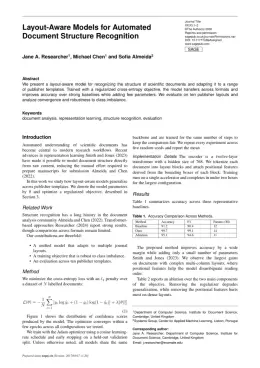
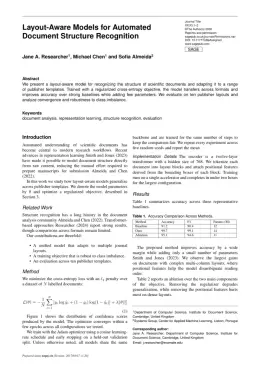
Therapeutic Advances in Cardiovascular Disease Template

Write in a clean editor, then format for Therapeutic Advances in Cardiovascular Disease in one click — DocuGuru applies the official SAGE template with author–year references and exports a submission-ready PDF plus the editable LaTeX source. Free to start.

About the Therapeutic Advances in Cardiovascular Disease format

Therapeutic Advances in Cardiovascular Disease is a peer-reviewed journal published by SAGE, covering Blood Pressure and Hypertension Studies, Heart Failure Treatment and Management, Atrial Fibrillation Management and Outcomes.

PublisherSAGE
Reference styleAuthor–year (Harvard)
Author–year — (Smith, 2023) in the text
Smith, A., Jones, B. and Lee, C. (2023) 'A representative article title', Therapeutic Advances in Cardiovascular Disease, 12(3), pp. 45–58.

Formats any DOI in Therapeutic Advances in Cardiovascular Disease style. No sign-up.

Publishes research inBlood Pressure and Hypertension Studies Heart Failure Treatment and Management Atrial Fibrillation Management and Outcomes Coronary Interventions and Diagnostics Renin-Angiotensin System Studies
ISSN1753-9447
Citation impact (2-yr)4.14
h-index49
i10-index286
Total citations11,193
Article processing charge$2,000
Open accessYes
Top institutions publishing hereWake Forest University
Journal websiteus.sagepub.com
You getA submission-ready PDF and the editable LaTeX source — ready to submit.

Papers published in Therapeutic Advances in Cardiovascular Disease per year

28
2014
54
2015
37
2016
26
2017
31
2018
21
2019
19
2020
10
2021
13
2022
17
2023
28
2024
14
2025

Citation impact of Therapeutic Advances in Cardiovascular Disease by publication year

412
2014
1K
2015
788
2016
1.7K
2017
483
2018
778
2019
276
2020
181
2021
128
2022
151
2023
207
2024
19
2025

Citations each year’s papers have accumulated so far — the most recent years are still building up.

Most-cited papers in Therapeutic Advances in Cardiovascular Disease

Metabolic syndrome: pathophysiology, management, and modulation by natural compounds

Yogita Rochlani, Naga Venkata K. Pothineni, Swathi Kovelamudi et al. · 22 Jun 2017

Metabolic syndrome (MetS) represents a cluster of metabolic abnormalities that include hypertension, central obesity, insulin resistance, and atherogenic dyslipidemia, and is strongly associated with an increased risk for developing diabetes and atherosclerotic and nonatherosclerotic cardiovascular disease (CVD). The pathogenesis of MetS involves both genetic and acquired factors that contribute to the final pathway of inflammation…

1,082 citations Cite SaveGo to paper →
6-minute walking test: a useful tool in the management of heart failure patients

S. Giannitsi, Mara Bougiakli, Aris Bechlioulis et al. · 1 Jan 2019

Reduced functional ability and exercise tolerance in patients with heart failure (HF) are associated with poor quality of life and a worse prognosis. The 6-minute walking test (6MWT) is a widely available and well-tolerated test for the assessment of the functional capacity of patients with HF. Although the cardiopulmonary exercise test (a maximal exercise test)…

Review: Preeclampsia and future cardiovascular risk: formal risk factor or failed stress test?

Iasmina Craici, Steven J. Wagner, Vesna D. Garovic · 1 Aug 2008

It is estimated that 10% of pregnancies are affected by hypertension worldwide. Approximately one-half of all hypertensive pregnancy disorders are due to preeclampsia, a pregnancy-specific disorder, its distinctive feature being either sudden onset, or worsening of pre-existing proteinuria. It has become increasingly recognized that women with a history of preeclampsia are at increased risk for…

ACE2 and vasoactive peptides: novel players in cardiovascular/renal remodeling and hypertension

Evelyn Mendoza‐Torres, Alejandra P. Oyarzún, David Mondaca‐Ruff et al. · 1 Aug 2015

The renin-angiotensin system (RAS) is a key component of cardiovascular physiology and homeostasis due to its influence on the regulation of electrolyte balance, blood pressure, vascular tone and cardiovascular remodeling. Deregulation of this system contributes significantly to the pathophysiology of cardiovascular and renal diseases. Numerous studies have generated new perspectives about a noncanonical and protective…

Challenges in management of left ventricular thrombus

Fuad Habash, Srikanth Vallurupalli · 7 Jun 2017

Left ventricular thrombus (LVT) complicates both ischemic and non-ischemic cardiomyopathies and is a potential cause of thromboembolic complications such as stroke. Management of LVT in the 21st century is primarily based on studies before the widespread use of potent pharmacological and interventional therapies such as primary percutaneous coronary intervention, especially in the setting of acute…

Therapeutic Advances in Cardiovascular Disease template — frequently asked questions

How do I write a paper in the Therapeutic Advances in Cardiovascular Disease format?
In DocuGuru you write your manuscript in a normal editor — no LaTeX setup required — and select the Therapeutic Advances in Cardiovascular Disease template. When you export, DocuGuru compiles the paper into the official SAGE format and hands you a submission-ready PDF along with the editable LaTeX source.
What reference style does Therapeutic Advances in Cardiovascular Disease use?
Therapeutic Advances in Cardiovascular Disease uses Author–year (Harvard) references, shown as author–year markers such as (Smith, 2023) in the text. DocuGuru formats every in-text citation and the reference list in this exact style automatically. A reference appears like this: Smith, A., Jones, B. and Lee, C. (2023) 'A representative article title', Therapeutic Advances in Cardiovascular Disease, 12(3), pp. 45–58.
Do I need to know LaTeX to submit to Therapeutic Advances in Cardiovascular Disease?
No. DocuGuru generates the sagej LaTeX class and compiles the PDF for you in the background, so you get a SAGE-ready Therapeutic Advances in Cardiovascular Disease document without writing any LaTeX. If you do want it, the LaTeX source is included in the export.
Can I import an existing draft into the Therapeutic Advances in Cardiovascular Disease template?
Yes. Paste or upload your current manuscript — Word, LaTeX, Markdown, or plain text — and DocuGuru reflows it into the Therapeutic Advances in Cardiovascular Disease format with correct headings, figures, tables, and author–year citations.
Who publishes Therapeutic Advances in Cardiovascular Disease?
Therapeutic Advances in Cardiovascular Disease is a multidisciplinary journal published by SAGE. DocuGuru's Therapeutic Advances in Cardiovascular Disease template matches SAGE's official submission format.
Can I export a submission-ready Therapeutic Advances in Cardiovascular Disease PDF?
Yes — DocuGuru produces a PDF built with the official Therapeutic Advances in Cardiovascular Disease template (the sagej class) that is ready to submit to SAGE, together with the matching LaTeX source files.
How much does the Therapeutic Advances in Cardiovascular Disease template cost?
You can start writing in the Therapeutic Advances in Cardiovascular Disease template for free. Exporting the final submission-ready Therapeutic Advances in Cardiovascular Disease PDF and LaTeX source is part of DocuGuru's paid plans — see the app for current pricing.

Use the Therapeutic Advances in Cardiovascular Disease template