SAGE

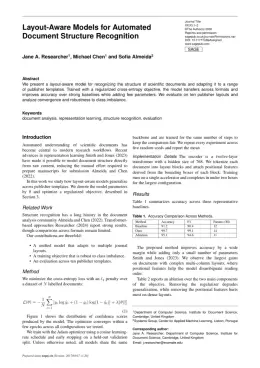
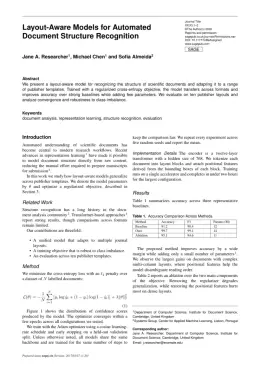
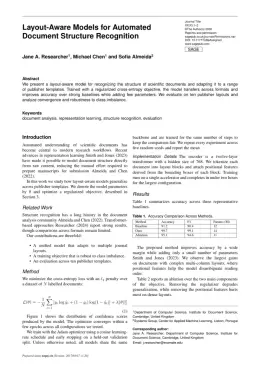
JRSM Cardiovascular Disease Template

Write in a clean editor, then format for JRSM Cardiovascular Disease in one click — DocuGuru applies the official SAGE template with author–year references and exports a submission-ready PDF plus the editable LaTeX source. Free to start.

About the JRSM Cardiovascular Disease format

JRSM Cardiovascular Disease is a peer-reviewed journal published by SAGE, covering Blood Pressure and Hypertension Studies, Cardiac Imaging and Diagnostics, Cardiovascular Function and Risk Factors.

PublisherSAGE
Reference styleAuthor–year (Harvard)
Author–year — (Smith, 2023) in the text
Smith, A., Jones, B. and Lee, C. (2023) 'A representative article title', JRSM Cardiovascular Disease, 12(3), pp. 45–58.

Formats any DOI in JRSM Cardiovascular Disease style. No sign-up.

Publishes research inBlood Pressure and Hypertension Studies Cardiac Imaging and Diagnostics Cardiovascular Function and Risk Factors Diabetes, Cardiovascular Risks, and Lipoproteins Atrial Fibrillation Management and Outcomes
ISSN2048-0040
Citation impact (2-yr)0.48
h-index26
i10-index76
Total citations4,118
Article processing charge$1,155
Top institutions publishing hereKing's College London
Journal websiteus.sagepub.com
You getA submission-ready PDF and the editable LaTeX source — ready to submit.

Papers published in JRSM Cardiovascular Disease per year

8
2014
3
2015
16
2016
23
2017
8
2018
38
2019
32
2020
26
2021
12
2022
5
2023
11
2024
36
2025

Citation impact of JRSM Cardiovascular Disease by publication year

108
2014
12
2015
1.1K
2016
701
2017
79
2018
452
2019
322
2020
159
2021
99
2022
17
2023
14
2024
19
2025

Citations each year’s papers have accumulated so far — the most recent years are still building up.

Most-cited papers in JRSM Cardiovascular Disease

A clinical perspective of obesity, metabolic syndrome and cardiovascular disease

Thang S. Han, Mike EJ Lean · 1 Jan 2016

The metabolic syndrome is a condition characterized by a special constellation of reversible major risk factors for cardiovascular disease and type 2 diabetes. The main, diagnostic, components are reduced HDL-cholesterol, raised triglycerides, blood pressure and fasting plasma glucose, all of which are related to weight gain, specifically intra-abdominal/ectopic fat accumulation and a large waist circumference.…

Primary prevention of cardiovascular disease: A review of contemporary guidance and literature

Jack Stewart, Gavin Manmathan, P M Wilkinson · 1 Jan 2017

Cardiovascular disease is a significant and ever-growing problem in the United Kingdom, accounting for nearly one-third of all deaths and leading to significant morbidity. It is also of particular and pressing interest as developing countries experience a change in lifestyle which introduces novel risk factors for cardiovascular disease, leading to a boom in cardiovascular disease…

Role of arterial stiffness in cardiovascular disease

Marina Cecelja, Phil Chowienczyk · 1 Jul 2012

Propagation of the pressure wave along the arterial tree (pulse wave velocity [PWV]) is related to the intrinsic elasticity of the arterial wall. PWV is increased in stiffer arteries and, when measured over the aorta, is an independent predictor of cardiovascular morbidity and mortality. Given the predictive power of PWV, identifying strategies that prevent or…

Neurological complications in chronic kidney disease

Ria Arnold, Tushar Issar, Arun V. Krishnan et al. · 1 Jan 2016

Patients with chronic kidney disease (CKD) are frequently afflicted with neurological complications. These complications can potentially affect both the central and peripheral nervous systems. Common neurological complications in CKD include stroke, cognitive dysfunction, encephalopathy, peripheral and autonomic neuropathies. These conditions have significant impact not only on patient morbidity but also on mortality risk through a…

Endothelial dysfunction and heart failure: A review of the existing bibliography with emphasis on flow mediated dilation

S. Giannitsi, Bougiakli Maria, Aris Bechlioulis et al. · 1 Jan 2019

Heart failure affects 1-2% of the population worldwide, and it is characterized by episodes of decompensation often requiring hospitalization. Although targeted treatment has reduced the prevalence of rehospitalizations to 30-50%, mortality rates remain high. A complex blend of structural and functional alterations accounts for the genesis and progression of heart failure, but the exact underlying…

JRSM Cardiovascular Disease template — frequently asked questions

How do I write a paper in the JRSM Cardiovascular Disease format?
In DocuGuru you write your manuscript in a normal editor — no LaTeX setup required — and select the JRSM Cardiovascular Disease template. When you export, DocuGuru compiles the paper into the official SAGE format and hands you a submission-ready PDF along with the editable LaTeX source.
What reference style does JRSM Cardiovascular Disease use?
JRSM Cardiovascular Disease uses Author–year (Harvard) references, shown as author–year markers such as (Smith, 2023) in the text. DocuGuru formats every in-text citation and the reference list in this exact style automatically. A reference appears like this: Smith, A., Jones, B. and Lee, C. (2023) 'A representative article title', JRSM Cardiovascular Disease, 12(3), pp. 45–58.
Do I need to know LaTeX to submit to JRSM Cardiovascular Disease?
No. DocuGuru generates the sagej LaTeX class and compiles the PDF for you in the background, so you get a SAGE-ready JRSM Cardiovascular Disease document without writing any LaTeX. If you do want it, the LaTeX source is included in the export.
Can I import an existing draft into the JRSM Cardiovascular Disease template?
Yes. Paste or upload your current manuscript — Word, LaTeX, Markdown, or plain text — and DocuGuru reflows it into the JRSM Cardiovascular Disease format with correct headings, figures, tables, and author–year citations.
Who publishes JRSM Cardiovascular Disease?
JRSM Cardiovascular Disease is a multidisciplinary journal published by SAGE. DocuGuru's JRSM Cardiovascular Disease template matches SAGE's official submission format.
Can I export a submission-ready JRSM Cardiovascular Disease PDF?
Yes — DocuGuru produces a PDF built with the official JRSM Cardiovascular Disease template (the sagej class) that is ready to submit to SAGE, together with the matching LaTeX source files.
How much does the JRSM Cardiovascular Disease template cost?
You can start writing in the JRSM Cardiovascular Disease template for free. Exporting the final submission-ready JRSM Cardiovascular Disease PDF and LaTeX source is part of DocuGuru's paid plans — see the app for current pricing.
Use the JRSM Cardiovascular Disease template