MDPI

Phycology Template

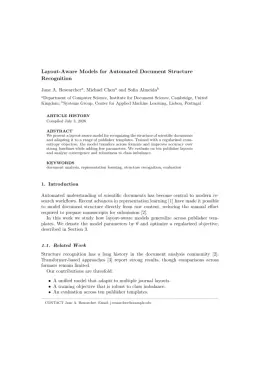
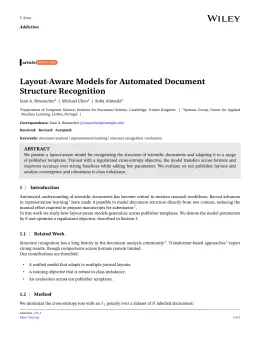
Write in a clean editor, then format for Phycology in one click — DocuGuru applies the official MDPI template with numbered references and exports a submission-ready PDF plus the editable LaTeX source. Free to start.

About the Phycology format

Phycology is a peer-reviewed journal published by MDPI, covering Algal biology and biofuel production, Marine and coastal plant biology, Seaweed-derived Bioactive Compounds. Over its lifetime it has published 318 papers, which have received 1,745 citations.

PublisherMDPI
Reference styleNumbered (MDPI)
Numbered — [1], [2] in the text
1. Smith, A.; Jones, B.; Lee, C. A Representative Article Title. Phycology 2023, 12, 45–58.

Formats any DOI in Phycology style. No sign-up.

Publishes research inAlgal biology and biofuel production Marine and coastal plant biology Seaweed-derived Bioactive Compounds Marine and coastal ecosystems Aquatic Ecosystems and Phytoplankton Dynamics
ISSN2673-9410
Citation impact (2-yr)2.65
h-index20
i10-index44
Open accessYes — indexed in DOAJ
Top institutions publishing hereUniversidade do Porto
You getA submission-ready PDF and the editable LaTeX source — ready to submit.

Papers published in Phycology per year

29
2008
30
2018
13
2021
22
2022
35
2023
32
2024
92
2025

Citation impact of Phycology by publication year

45
2008
11
2018
371
2021
478
2022
339
2023
289
2024
173
2025

Citations each year’s papers have accumulated so far — the most recent years are still building up.

Most-cited papers in Phycology

Seaweeds as a Source of Functional Proteins

Punniamoorthy Thiviya, Ashoka Gamage, Nalin Suranjith Gama-Arachchige et al. · 11 May 2022

Protein is one of the major macronutrients essential in human nutrition. Protein sources especially animal sourced proteins are expensive, thus much work has been carried out to explore alternative protein sources. Seaweeds, or macroalgae, are emerging as one of the alternative protein sources. They are rich in protein with an excellent amino acid profile comparable…

Challenges of Turning the Sargassum Crisis into Gold: Current Constraints and Implications for the Caribbean

Hazel A. Oxenford, Shelly-Ann Cox, Brigitta I. van Tussenbroek et al. · 5 Aug 2021

Over the last decade, the Caribbean has seen massive, episodic influxes of pelagic sargassum negatively impacting coastal ecosystems, people’s livelihoods and climate-sensitive sectors. Addressing this issue solely as a hazard has proven extremely costly and attention is slowly turning towards the potential opportunities for sargassum reuse and valorization. However, turning the ‘sargassum crisis into gold’…

Red Seaweed Pigments from a Biotechnological Perspective

Marta V. Freitas, Diana Pacheco, João Cotas et al. · 23 Dec 2021

Algae taxa are notably diverse regarding pigment diversity and composition, red seaweeds (Rhodophyta) being a valuable source of phycobiliproteins (phycoerythrins, phycocyanin, and allophycocyanin), carotenes (carotenoids and xanthophylls), and chlorophyll a. These pigments have a considerable biotechnological potential, which has been translated into several registered patents and commercial applications. However, challenges remain regarding the optimization and…

Biochemical and Elemental Composition of Pelagic Sargassum Biomass Harvested across the Caribbean

Thierry Tonon, Carla Botelho Machado, Mona Webber et al. · 11 Mar 2022

Massive and recurrent strandings of pelagic Sargassum biomass have become the new norm in the Caribbean and the Western Africa since 2011, and there is no sign of this abating. These Sargassum events have negative environmental, socioeconomic and health impacts in the affected countries. In the meantime, various processing techniques and applications have been suggested…

Advancements and Prospects in Algal Biofuel Production: A Comprehensive Review

Halina Falfushynska · 11 Oct 2024

Microalgae represent a valuable renewable resource for biofuel production due to their high lipid content, rapid growth rates, and non-competition with food resources. Both freshwater species like Chlorella and marine species such as Dunaliella, Tetraselmis, and Nannochloropsis are among the most commonly utilized candidates. This review provides a comprehensive overview of current cultivation and harvesting…


Phycology template — frequently asked questions

How do I write a paper in the Phycology format?
In DocuGuru you write your manuscript in a normal editor — no LaTeX setup required — and select the Phycology template. When you export, DocuGuru compiles the paper into the official MDPI format and hands you a submission-ready PDF along with the editable LaTeX source.
What reference style does Phycology use?
Phycology uses Numbered (MDPI) references, shown as numbered [1], [2] markers in the text. DocuGuru formats every in-text citation and the reference list in this exact style automatically. A reference appears like this: 1. Smith, A.; Jones, B.; Lee, C. A Representative Article Title. Phycology 2023, 12, 45–58.
Do I need to know LaTeX to submit to Phycology?
No. DocuGuru generates the mdpi LaTeX class and compiles the PDF for you in the background, so you get a MDPI-ready Phycology document without writing any LaTeX. If you do want it, the LaTeX source is included in the export.
Can I import an existing draft into the Phycology template?
Yes. Paste or upload your current manuscript — Word, LaTeX, Markdown, or plain text — and DocuGuru reflows it into the Phycology format with correct headings, figures, tables, and numbered citations.
What is Phycology?
Phycology - MDPI Journal. It is a multidisciplinary journal, published by MDPI.
Can I export a submission-ready Phycology PDF?
Yes — DocuGuru produces a PDF built with the official Phycology template (the mdpi class) that is ready to submit to MDPI, together with the matching LaTeX source files.
How much does the Phycology template cost?
You can start writing in the Phycology template for free. Exporting the final submission-ready Phycology PDF and LaTeX source is part of DocuGuru's paid plans — see the app for current pricing.
Use the Phycology template