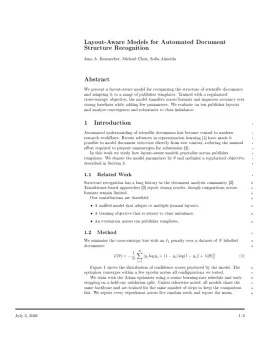
About the Environmental Microbiome format
Environmental Microbiome is a peer-reviewed journal published by BMC (BioMed Central), covering Microbial Community Ecology and Physiology, Plant-Microbe Interactions and Immunity, Mycorrhizal Fungi and Plant Interactions. Over its lifetime it has published 595 papers, which have received 9,165 citations.
| Publisher | BMC (BioMed Central) |
|---|
| Reference style | Numbered (Vancouver) Numbered — [1], [2] in the text
1. Smith A, Jones B, Lee C. A representative article title. Environmental Microbiome. 2023;12(3):45–58.
Formats any DOI in Environmental Microbiome style. No sign-up.
|
|---|
| Publishes research in | Microbial Community Ecology and Physiology Plant-Microbe Interactions and Immunity Mycorrhizal Fungi and Plant Interactions Soil Carbon and Nitrogen Dynamics Genomics and Phylogenetic Studies |
|---|
| ISSN | 2524-6372 |
|---|
| Citation impact (2-yr) | 5.89 |
|---|
| h-index | 43 |
|---|
| i10-index | 246 |
|---|
| Article processing charge | $1,704 |
|---|
| Open access | Yes — indexed in DOAJ |
|---|
| Top institutions publishing here | Chinese Academy of Sciences |
|---|
| Journal website | link.springer.com |
|---|
| You get | A submission-ready PDF and the editable LaTeX source — ready to submit. |
|---|
Papers published in Environmental Microbiome per year
Citation impact of Environmental Microbiome by publication year
Citations each year’s papers have accumulated so far — the most recent years are still building up.
Most-cited papers in Environmental Microbiome
Tax4Fun2: prediction of habitat-specific functional profiles and functional redundancy based on 16S rRNA gene sequences
Franziska Wemheuer, Jessica A. Taylor, Rolf Daniel et al. · 18 May 2020
BACKGROUND: Sequencing of 16S rRNA genes has become a powerful technique to study microbial communities and their responses towards changing environmental conditions in various ecosystems. Several tools have been developed for the prediction of functional profiles from 16S rRNA gene sequencing data, because numerous questions in ecosystem ecology require knowledge of community functions in addition…
Plastics and the microbiome: impacts and solutions
Gavin Lear, Joanne M. Kingsbury, S. Franchini et al. · 20 Jan 2021
Global plastic production has increased exponentially since manufacturing commenced in the 1950's, including polymer types infused with diverse additives and fillers. While the negative impacts of plastics are widely reported, particularly on marine vertebrates, impacts on microbial life remain poorly understood. Plastics impact microbiomes directly, exerting toxic effects, providing supplemental carbon sources and acting as…
Successional action of Bacteroidota and Firmicutes in decomposing straw polymers in a paddy soil
Jun-Jie Huang, Kailin Gao, Yang Lü et al. · 14 Oct 2023
BACKGROUND: Decomposition of plant biomass is vital for carbon cycling in terrestrial ecosystems. In waterlogged soils including paddy fields and natural wetlands, plant biomass degradation generates the largest natural source of global methane emission. However, the intricate process of plant biomass degradation by diverse soil microorganisms remains poorly characterized. Here we report a chemical and…
Land-use intensification differentially affects bacterial, fungal and protist communities and decreases microbiome network complexity
Sana Romdhane, Aymé Spor, Samiran Banerjee et al. · 6 Jan 2022
BACKGROUND: Soil microbial communities are major drivers of cycling of soil nutrients that sustain plant growth and productivity. Yet, a holistic understanding of the impact of land-use intensification on the soil microbiome is still poorly understood. Here, we used a field experiment to investigate the long-term consequences of changes in land-use intensity based on cropping…
The impact of sequencing depth on the inferred taxonomic composition and AMR gene content of metagenomic samples
Hyun S. Gweon, Liam P. Shaw, Jeremy Swann et al. · 24 Oct 2019
BACKGROUND: Shotgun metagenomics is increasingly used to characterise microbial communities, particularly for the investigation of antimicrobial resistance (AMR) in different animal and environmental contexts. There are many different approaches for inferring the taxonomic composition and AMR gene content of complex community samples from shotgun metagenomic data, but there has been little work establishing the optimum…