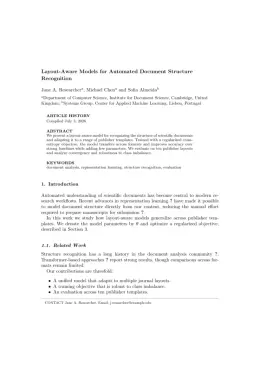
About the Psychodynamic Practice format
Psychodynamic Practice is a peer-reviewed journal published by Taylor & Francis, covering Psychotherapy Techniques and Applications, Counseling, Therapy, and Family Dynamics, Child Therapy and Development.
| Publisher | Taylor & Francis |
|---|
| Reference style | Author–year (Chicago, T&F) Author–year — (Smith, 2023) in the text
Smith, Ada, Ben Jones, and Cara Lee. 2023. "A Representative Article Title." Psychodynamic Practice 12 (3): 45–58.
Formats any DOI in Psychodynamic Practice style. No sign-up.
|
|---|
| Publishes research in | Psychotherapy Techniques and Applications Counseling, Therapy, and Family Dynamics Child Therapy and Development Academic and Historical Perspectives in Psychology Mental Health and Psychiatry |
|---|
| ISSN | 1475-3626 |
|---|
| Citation impact (2-yr) | 0.22 |
|---|
| h-index | 33 |
|---|
| i10-index | 152 |
|---|
| Total citations | 5,510 |
|---|
| Top institutions publishing here | Birkbeck, University of London |
|---|
| Journal website | www.tandfonline.com |
|---|
| You get | A submission-ready PDF and the editable LaTeX source — ready to submit. |
|---|
Papers published in Psychodynamic Practice per year
Citation impact of Psychodynamic Practice by publication year
Citations each year’s papers have accumulated so far — the most recent years are still building up.
Most-cited papers in Psychodynamic Practice
What brings you here? An exploration of the unconscious motivations of those who choose to train and work as psychotherapists and counsellors
Marilyn Barnett · 10 Jul 2007
Abstract This paper is based on a research study of therapists' unconscious motivations for their choice of profession. The rationale arose from the author's observation of a substantial increase in recent years both in the number of counselling courses on offer and in the number of people wishing to become counsellors and psychotherapists. While many…
Unveiling the hidden self: Developmental trauma and pathological shame
Adriano Schimmenti · 5 Mar 2012
This article focuses on the role played by developmental trauma in generating impairing feelings of shame as observed in several psychological disorders. An understanding of pathological shame is indeed critical for evaluating the psychic functioning of patients who have experienced parental neglect or abuse. A clinical vignette of a patient who suffered emotional neglect and…
The perversion of care: Psychological therapies in a time of IAPT
Rosemary Rizq · 9 Jan 2012
In this article, I argue that sweeping changes brought in by the government's Improving Access to Psychological Therapies (IAPT) programme have resulted in a perversion of care where National Health Service (NHS) mental health services now disavow the realities of suffering, dependence and vulnerability and turn away from the complexities of managing those in psychological…
Narcissism in the modern world
Pat MacDonald · 14 Mar 2014
Narcissism has been around since the time of Ovid more than 2000 years ago and the concept has long been a source of study, intrigue, fascination and literature both within and beyond the psychoanalytic community. While Narcissistic Personality Disorder remains a severe and fairly rare clinically diagnosed condition, sub-clinical narcissism or narcissistic traits have reached…
What shall we do with the wounded healer? The supervisor's dilemma
Sue Wheeler · 10 Jul 2007
Abstract This paper discusses the supervisor's responsibility in addressing the vulnerability or wounds of the therapist. Supervisors have much to keep in mind as they conduct their work, not least the client for whose benefit supervision is deemed to be an essential aspect of good practice. Their responsibility towards the client often entails careful exploration…