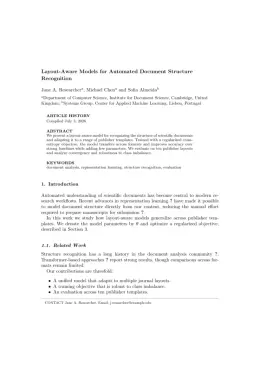
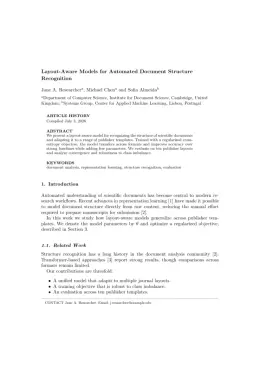
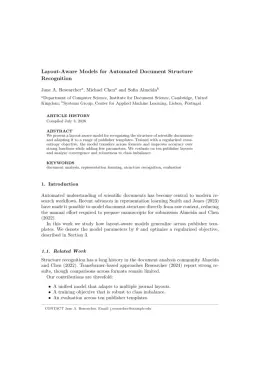
About the Jung Journal format
Jung Journal is a peer-reviewed journal published by Taylor & Francis, covering Jungian Analytical Psychology, Psychotherapy Techniques and Applications, Religious Studies and Spiritual Practices.
| Publisher | Taylor & Francis |
|---|
| Reference style | Author–year (Chicago, T&F) Author–year — (Smith, 2023) in the text
Smith, Ada, Ben Jones, and Cara Lee. 2023. "A Representative Article Title." Jung Journal 12 (3): 45–58.
Formats any DOI in Jung Journal style. No sign-up.
|
|---|
| Publishes research in | Jungian Analytical Psychology Psychotherapy Techniques and Applications Religious Studies and Spiritual Practices Academic and Historical Perspectives in Psychology Paranormal Experiences and Beliefs |
|---|
| ISSN | 1934-2039 |
|---|
| Citation impact (2-yr) | 0.08 |
|---|
| h-index | 12 |
|---|
| i10-index | 15 |
|---|
| Total citations | 1,044 |
|---|
| Top institutions publishing here | Schlumberger (Ireland) |
|---|
| Journal website | www.tandfonline.com |
|---|
| You get | A submission-ready PDF and the editable LaTeX source — ready to submit. |
|---|
Papers published in Jung Journal per year
Citation impact of Jung Journal by publication year
Citations each year’s papers have accumulated so far — the most recent years are still building up.
Most-cited papers in Jung Journal
Creativity and Psychosis
Andrew Howe · 2 Jan 2022
Treatment of schizophrenia and other psychotic illnesses primarily uses antipsychotic medication. Compared to other common mental health conditions, the opportunities for psychotherapy in psychosis are limited. Jung and the post-Jungians considered that psychotherapy of psychosis is possible, supported by using creative arts and other individualized treatments. Moreover, they felt there was a tremendous creative potential…
A Path With Heart
Barbara Friedman · 1 Jul 2007
The Trace of the Face of God
Betsy Cohen · 1 Apr 2008
Abstract The author looks at her analytic work through the lens of the philosophy of French phenomenologist Emmanuel Levinas, particularly his concepts of totality, infinity, the face, the caress, and our ethical call to the Other. She examines the possibility and importance of being open to the divine in the patient, particularly through the metaphor…
Dancing with Wolves
Steven Galipeau · 1 Feb 2013
Wolves have born the burden of humankind's intense hatred of the wild in the name of civilization. Our collective projections on the wolf have brought their populations to near extinction. This paper explores our “dance” with the wolf, one that has seen an extraordinary turnabout in the past few decades. Wolf reintroduction counters the animal's…
The Clown
Michael Bala · 1 Jan 2010
Abstract The clown is a historical character with transcultural and transpersonal significance. The clown’s costume, make-up, and antics can be viewed as expressions from a deep archetypal space. As an archetype, the Clown, as an expression of the Trickster, carries and expresses bipolar energies of silliness/seriousness, play/work, hidden/known, creating/destroying, and order/disorder. Culturally and personally the…