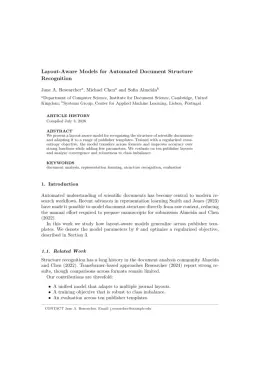
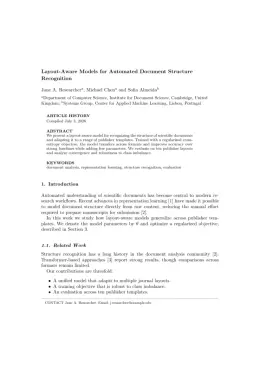
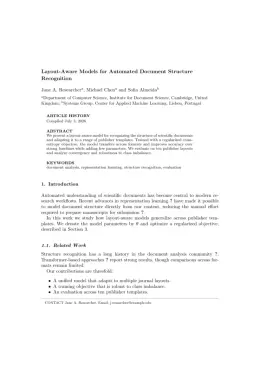
About the Anxiety Research format
Anxiety Research is a peer-reviewed journal published by Taylor & Francis, covering Anxiety, Depression, Psychometrics, Treatment, Cognitive Processes, Child and Adolescent Psychosocial and Emotional Development, Behavioral Health and Interventions.
| Publisher | Taylor & Francis |
|---|
| Reference style | Author–year (Chicago, T&F) Author–year — (Smith, 2023) in the text
Smith, Ada, Ben Jones, and Cara Lee. 2023. "A Representative Article Title." Anxiety Research 12 (3): 45–58.
Formats any DOI in Anxiety Research style. No sign-up.
|
|---|
| Publishes research in | Anxiety, Depression, Psychometrics, Treatment, Cognitive Processes Child and Adolescent Psychosocial and Emotional Development Behavioral Health and Interventions Education, Achievement, and Giftedness Mental Health Research Topics |
|---|
| ISSN | 0891-7779 |
|---|
| h-index | 35 |
|---|
| i10-index | 74 |
|---|
| Total citations | 6,318 |
|---|
| Top institutions publishing here | York University |
|---|
| Journal website | www.tandfonline.com |
|---|
| You get | A submission-ready PDF and the editable LaTeX source — ready to submit. |
|---|
Papers published in Anxiety Research per year
Citation impact of Anxiety Research by publication year
Citations each year’s papers have accumulated so far — the most recent years are still building up.
Most-cited papers in Anxiety Research
Self-efficacy conception of anxiety
Albert Bandura · 1 Jan 1988
Abstract In social cognitive theory, perceived self-efficacy to exercise control over potential threats plays a central role in anxiety arousal. Threat is a relational property reflecting the match between perceived coping capabilities and potentially hurtful aspects of the environment. People who believe they can exercise control over potential threats do not engage in apprehensive thinking…
Anxiety and depression: An information processing perspective
Aaron T. Beck, David A. Clark · 1 Jan 1988
Abstract Beck's cognitive theory (CT) of anxiety and depression is briefly described. It is proposed that each psychopathological state has a specific cognitive profile. In anxiety states, this profile involves the theme of perceived physical or psychological threat to one's personal domain, while in depression the ideational content emphasizes loss or deprivation. Moreover, CT postulates…
Measurement and correlates of sport-specific cognitive and somatic trait anxiety: The sport anxiety scale
Ronald E. Smith, Frank L. Smoll, Robert W. Schutz · 1 May 1990
Abstract Previous research indicates the viability of a distinction between cognitive and somatic components of the anxiety response, and multidimensional anxiety scales have proven useful in relating cognitive and somatic anxiety to behavioral outcomes. This article describes the development and validation of a sport-specific measure of cognitive and somatic trait anxiety. The Sport Anxiety Scale…
Traumatic stress: A theory based on rapid loss of resources
Stevan E. Hobfoll · 1 Oct 1991
Abstract Applied Hobfoll's (1988; 1989) Conservation of Resources (COR) stress theory to the instance of traumatic stress. COR theory posits that stress occurs when resources are threatened, when resources are lost, or when individuals invest resources without gaining adequate resources in return. Traumatic stress is seen as particularly threatening to resources and results in rapid…
Anxiety, self-preoccupation and attention
Irwin G. Sarason · 1 Jan 1988
Abstract A cognitive view of anxiety is outlined that emphasizes the role self-preoccupation plays in attention and information processing. Two applications of this theoretical approach are given, one in the area of test anxiety and the other relating to cognitive therapies for anxiety.