
101 citations
Cite
SaveGo to paper →
Springer Nature
Journal of Psychosocial Rehabilitation and Mental Health Template
Write in a clean editor, then format for Journal of Psychosocial Rehabilitation and Mental Health in one click — DocuGuru applies the official Springer Nature template with superscript references and exports a submission-ready PDF plus the editable LaTeX source. Free to start.
About the Journal of Psychosocial Rehabilitation and Mental Health format
Journal of Psychosocial Rehabilitation and Mental Health is a peer-reviewed journal published by Springer Nature, covering Mental Health Treatment and Access, Mental Health and Patient Involvement, Schizophrenia research and treatment.
| Publisher | Springer Nature |
|---|---|
| Reference style | Superscript numbered (Nature) Superscript — small raised numerals in the text 1. Smith, A., Jones, B. & Lee, C. A representative article title. Journal of Psychosocial Rehabilitation and Mental Health 12, 45–58 (2023).
Formats any DOI in Journal of Psychosocial Rehabilitation and Mental Health style. No sign-up. |
| Publishes research in | Mental Health Treatment and Access Mental Health and Patient Involvement Schizophrenia research and treatment Family Caregiving in Mental Illness Family and Disability Support Research |
| ISSN | 2198-963X |
| Citation impact (2-yr) | 0.89 |
| h-index | 21 |
| i10-index | 55 |
| Total citations | 2,187 |
| Article processing charge | $2,890 |
| Top institutions publishing here | National Institute of Mental Health and Neurosciences |
| Journal website | link.springer.com |
| You get | A submission-ready PDF and the editable LaTeX source — ready to submit. |
Papers published in Journal of Psychosocial Rehabilitation and Mental Health per year
Citation impact of Journal of Psychosocial Rehabilitation and Mental Health by publication year
Citations each year’s papers have accumulated so far — the most recent years are still building up.
Most-cited papers in Journal of Psychosocial Rehabilitation and Mental Health
66 citations
Cite
SaveGo to paper →
The experience-based knowledge of users is considered to provide vital input in shared decision making (SDM). However, mental health service users frequently express having negative experiences from meetings with providers, which are of an epistemic nature (e.g., being ignored or not regarded as credible). This study aimed to explore the barriers involved in legitimizing user…
62 citations
Cite
SaveGo to paper →
37 citations
Cite
SaveGo to paper →
Peer support workers are increasingly considered an essential ingredient in recovery-oriented mental health services. While research continues to point to promising results concerning the ability of these workers to positively impact service users’ experience of hope, quality of life and even health, peer support workers have only recently been introduced in Sweden and the aim…
36 citations
Cite
SaveGo to paper →
Related journal templates
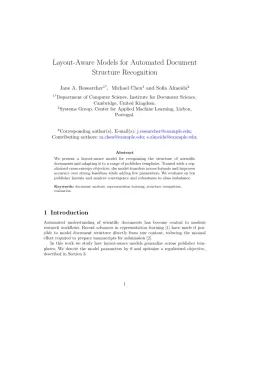
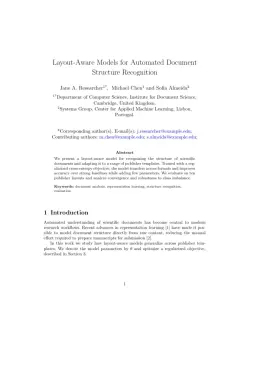
Journal of Psychosocial Rehabilitation and Mental Health template — frequently asked questions
How do I write a paper in the Journal of Psychosocial Rehabilitation and Mental Health format?
In DocuGuru you write your manuscript in a normal editor — no LaTeX setup required — and select the Journal of Psychosocial Rehabilitation and Mental Health template. When you export, DocuGuru compiles the paper into the official Springer Nature format and hands you a submission-ready PDF along with the editable LaTeX source.
What reference style does Journal of Psychosocial Rehabilitation and Mental Health use?
Journal of Psychosocial Rehabilitation and Mental Health uses Superscript numbered (Nature) references, shown as superscript numerals in the text. DocuGuru formats every in-text citation and the reference list in this exact style automatically. A reference appears like this: 1. Smith, A., Jones, B. & Lee, C. A representative article title. Journal of Psychosocial Rehabilitation and Mental Health 12, 45–58 (2023).
Do I need to know LaTeX to submit to Journal of Psychosocial Rehabilitation and Mental Health?
No. DocuGuru generates the sn-jnl LaTeX class and compiles the PDF for you in the background, so you get a Springer Nature-ready Journal of Psychosocial Rehabilitation and Mental Health document without writing any LaTeX. If you do want it, the LaTeX source is included in the export.
Can I import an existing draft into the Journal of Psychosocial Rehabilitation and Mental Health template?
Yes. Paste or upload your current manuscript — Word, LaTeX, Markdown, or plain text — and DocuGuru reflows it into the Journal of Psychosocial Rehabilitation and Mental Health format with correct headings, figures, tables, and superscript citations.
Who publishes Journal of Psychosocial Rehabilitation and Mental Health?
Journal of Psychosocial Rehabilitation and Mental Health is a multidisciplinary journal published by Springer Nature. DocuGuru's Journal of Psychosocial Rehabilitation and Mental Health template matches Springer Nature's official submission format.
Can I export a submission-ready Journal of Psychosocial Rehabilitation and Mental Health PDF?
Yes — DocuGuru produces a PDF built with the official Journal of Psychosocial Rehabilitation and Mental Health template (the sn-jnl class) that is ready to submit to Springer Nature, together with the matching LaTeX source files.
How much does the Journal of Psychosocial Rehabilitation and Mental Health template cost?
You can start writing in the Journal of Psychosocial Rehabilitation and Mental Health template for free. Exporting the final submission-ready Journal of Psychosocial Rehabilitation and Mental Health PDF and LaTeX source is part of DocuGuru's paid plans — see the app for current pricing.