SAGE

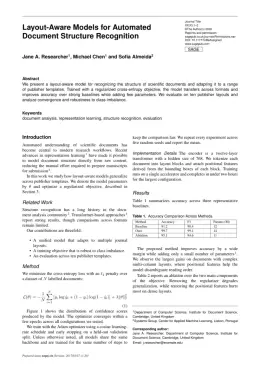
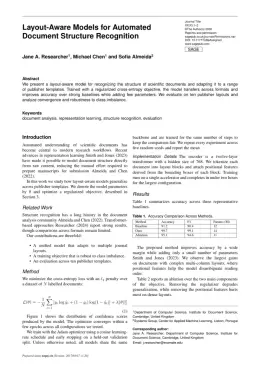
Toxicology Research and Application Template

Write in a clean editor, then format for Toxicology Research and Application in one click — DocuGuru applies the official SAGE template with author–year references and exports a submission-ready PDF plus the editable LaTeX source. Free to start.

About the Toxicology Research and Application format

Toxicology Research and Application is a peer-reviewed journal published by SAGE, covering Carcinogens and Genotoxicity Assessment, Effects and risks of endocrine disrupting chemicals, Animal testing and alternatives.

PublisherSAGE
Reference styleAuthor–year (Harvard)
Author–year — (Smith, 2023) in the text
Smith, A., Jones, B. and Lee, C. (2023) 'A representative article title', Toxicology Research and Application, 12(3), pp. 45–58.

Formats any DOI in Toxicology Research and Application style. No sign-up.

Publishes research inCarcinogens and Genotoxicity Assessment Effects and risks of endocrine disrupting chemicals Animal testing and alternatives Air Quality and Health Impacts Environmental Toxicology and Ecotoxicology
ISSN2397-8473
h-index20
i10-index42
Total citations1,460
Article processing charge$1,500
Top institutions publishing hereAlbemarle (United States)
Journal websiteus.sagepub.com
You getA submission-ready PDF and the editable LaTeX source — ready to submit.

Papers published in Toxicology Research and Application per year

23
2017
28
2018
28
2019
37
2020
24
2021
14
2022
12
2023

Citation impact of Toxicology Research and Application by publication year

455
2017
204
2018
241
2019
278
2020
169
2021
52
2022
54
2023

Citations each year’s papers have accumulated so far — the most recent years are still building up.

Most-cited papers in Toxicology Research and Application

Toxicity of nanomaterials found in human environment

Saura C. Sahu, A. Wallace Hayes · 1 Jan 2017

The US National Nanotechnology Initiative (NNI) defines nanotechnology as “the understanding and control of matter at dimensions between approximately 1 and 100 nm, where unique phenomena enable novel applications.” Recent scientific reports available in the literature clearly demonstrate the potential benefits of nanotechnology in consumer and industrial products. More and more nanomaterials are expected to…

Food additive safety

Peter Pressman, Roger Clemens, Wally Hayes et al. · 1 Jan 2017

Food is a very common source of toxicant exposure to humans. An unknown number of naturally occurring contaminants find their way into food. The most ominous are products of mold growth called mycotoxins, which include the carcinogenic aflatoxins. On the other hand, more than 2500 chemical substances are added to foods to modify or impart…

Exploring the microbiome in health and disease

Elena Scotti, Stéphanie Boué, Giuseppe Lo Sasso et al. · 1 Jan 2017

The analysis of human microbiome is an exciting and rapidly expanding field of research. In the past decade, the biological relevance of the microbiome for human health has become evident. Microbiome comprises a complex collection of microorganisms, with their genes and metabolites, colonizing different body niches. It is now well known that the microbiome interacts…

Biochemical alterations in diclofenac-treated rats: Effect of selenium on oxidative stress, inflammation, and hematological changes

Solomon E. Owumi, Uche J Dim · 1 Jan 2019

We investigated the effect of selenium (Sel), a trace element in diclofenac sodium (DCF), nonsteroidal anti-inflammatory drugs-induced hepatic and renal toxicities in adult rats. Five experimental groups namely control, DCF (10 mg/kg), Sel (0.125 mg/kg), DCF + Sel (0.125 mg/kg), and DCF + Sel (0.25 mg/kg) consisting of 10 rats each were orally treated for…

Quaternary ammonium compounds: perspectives on benefits, hazards, and risk

Thomas G. Osimitz, Wiebke Droege · 1 Jan 2021

Quaternary ammonium compounds are antimicrobial chemicals that provide significant public health benefits by controlling bacteria and viruses that cause infections such as colds, flu, and COVID. The benefits of antimicrobial QACs are seen in increased quality-of-life measures, such as reduced time away from work and school and reduced medical costs. As active antimicrobial agents, QACs…

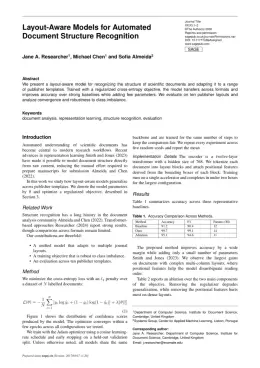
Toxicology Research and Application template — frequently asked questions

How do I write a paper in the Toxicology Research and Application format?
In DocuGuru you write your manuscript in a normal editor — no LaTeX setup required — and select the Toxicology Research and Application template. When you export, DocuGuru compiles the paper into the official SAGE format and hands you a submission-ready PDF along with the editable LaTeX source.
What reference style does Toxicology Research and Application use?
Toxicology Research and Application uses Author–year (Harvard) references, shown as author–year markers such as (Smith, 2023) in the text. DocuGuru formats every in-text citation and the reference list in this exact style automatically. A reference appears like this: Smith, A., Jones, B. and Lee, C. (2023) 'A representative article title', Toxicology Research and Application, 12(3), pp. 45–58.
Do I need to know LaTeX to submit to Toxicology Research and Application?
No. DocuGuru generates the sagej LaTeX class and compiles the PDF for you in the background, so you get a SAGE-ready Toxicology Research and Application document without writing any LaTeX. If you do want it, the LaTeX source is included in the export.
Can I import an existing draft into the Toxicology Research and Application template?
Yes. Paste or upload your current manuscript — Word, LaTeX, Markdown, or plain text — and DocuGuru reflows it into the Toxicology Research and Application format with correct headings, figures, tables, and author–year citations.
Who publishes Toxicology Research and Application?
Toxicology Research and Application is a multidisciplinary journal published by SAGE. DocuGuru's Toxicology Research and Application template matches SAGE's official submission format.
Can I export a submission-ready Toxicology Research and Application PDF?
Yes — DocuGuru produces a PDF built with the official Toxicology Research and Application template (the sagej class) that is ready to submit to SAGE, together with the matching LaTeX source files.
How much does the Toxicology Research and Application template cost?
You can start writing in the Toxicology Research and Application template for free. Exporting the final submission-ready Toxicology Research and Application PDF and LaTeX source is part of DocuGuru's paid plans — see the app for current pricing.
Use the Toxicology Research and Application template