SAGE

Substance Abuse Template

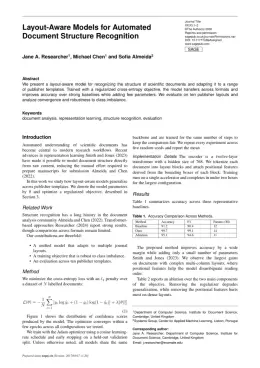
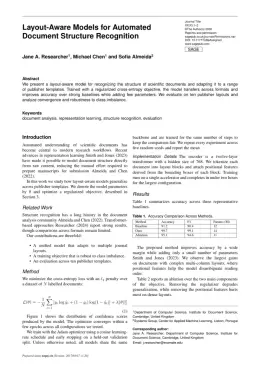
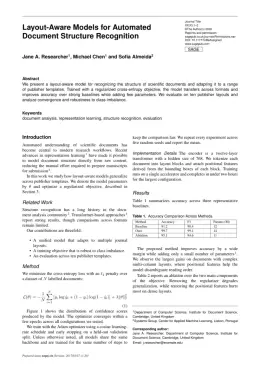
Write in a clean editor, then format for Substance Abuse in one click — DocuGuru applies the official SAGE template with author–year references and exports a submission-ready PDF plus the editable LaTeX source. Free to start.

About the Substance Abuse format

Substance Abuse is a peer-reviewed journal published by SAGE, covering Substance Abuse Treatment and Outcomes, Opioid Use Disorder Treatment, HIV, Drug Use, Sexual Risk.

PublisherSAGE
Reference styleAuthor–year (Harvard)
Author–year — (Smith, 2023) in the text
Smith, A., Jones, B. and Lee, C. (2023) 'A representative article title', Substance Abuse, 12(3), pp. 45–58.

Formats any DOI in Substance Abuse style. No sign-up.

Publishes research inSubstance Abuse Treatment and Outcomes Opioid Use Disorder Treatment HIV, Drug Use, Sexual Risk Prenatal Substance Exposure Effects Homelessness and Social Issues
ISSN0889-7077
h-index78
i10-index932
Total citations37,273
Top institutions publishing hereYale University
Journal websitewww.tandfonline.com
You getA submission-ready PDF and the editable LaTeX source — ready to submit.

Papers published in Substance Abuse per year

70
2012
89
2013
132
2014
85
2015
83
2016
91
2017
87
2018
131
2019
81
2020
138
2021
88
2022
40
2023

Citation impact of Substance Abuse by publication year

2K
2012
2.4K
2013
2.7K
2014
2.3K
2015
2.3K
2016
2K
2017
1.9K
2018
3.5K
2019
2K
2020
2.1K
2021
913
2022
258
2023

Citations each year’s papers have accumulated so far — the most recent years are still building up.

Most-cited papers in Substance Abuse

Screening, Brief Intervention, and Referral to Treatment (SBIRT)

Thomas F. Babor, Bonnie McRee, Patricia A. Kassebaum et al. · 1 Nov 2007

Screening, Brief Intervention, and Referral to Treatment (SBIRT) is a comprehensive and integrated approach to the delivery of early intervention and treatment services through universal screening for persons with substance use disorders and those at risk. This paper describes research on the components of SBIRT conducted during the past 25 years, including the development of…

1,101 citations Cite SaveGo to paper →
Mindfulness-Based Relapse Prevention for Substance Use Disorders: A Pilot Efficacy Trial

Sarah Bowen, Neharika Chawla, Susan E. Collins et al. · 1 Oct 2009

The current study is the first randomized-controlled trial evaluating the feasibility and initial efficacy of an 8-week outpatient Mindfulness-Based Relapse Prevention (MBRP) program as compared to treatment as usual (TAU). Participants were 168 adults with substance use disorders who had recently completed intensive inpatient or outpatient treatment. Assessments were administered pre-intervention, post-intervention, and 2 and…

Understanding why Patients with Substance use Disorders Leave the Hospital against Medical Advice: A Qualitative Study

Rachel Simon, Rachel Snow, Sarah E. Wakeman · 23 Oct 2019

Background Hospital discharges against medical advice (AMA) is associated with negative health outcomes and re-admissions. Patients with substance use disorders (SUD) are up to three times more likely to be discharged AMA as compared to those without SUD. Studies suggest that undertreated withdrawal and a perception of stigma may increase the risk, however, to date,…

Disturbed Sleep and Its Relationship to Alcohol Use

Michael D. Stein, Peter D. Friedmann · 1 Feb 2006

STUDY OBJECTIVES: To review evidence of an association between disturbed sleep and alcohol use. DESIGN: We searched MEDLINE, PSYCHINFO, ETOH, BIBLIOSLEEP and the Rutgers Alcohol Studies databases between January 1966 and August 2002. Search terms included alcohol-related disorders or alcoholism in combination with sleep, sleep initiation and maintenance disorders, or sleep apnea syndromes. The search…

Mindfulness Training and Stress Reactivity in Substance Abuse: Results from a Randomized, Controlled Stage I Pilot Study

Judson A. Brewer, Rajita Sinha, Justin A. Chen et al. · 1 Oct 2009

Stress is important in substance use disorders (SUDs). Mindfulness training (MT) has shown promise for stress-related maladies. No studies have compared MT to empirically validated treatments for SUDs. The goals of this study were to assess MT compared to cognitive behavioral therapy (CBT) in substance use and treatment acceptability, and specificity of MT compared to…

Substance Abuse template — frequently asked questions

How do I write a paper in the Substance Abuse format?
In DocuGuru you write your manuscript in a normal editor — no LaTeX setup required — and select the Substance Abuse template. When you export, DocuGuru compiles the paper into the official SAGE format and hands you a submission-ready PDF along with the editable LaTeX source.
What reference style does Substance Abuse use?
Substance Abuse uses Author–year (Harvard) references, shown as author–year markers such as (Smith, 2023) in the text. DocuGuru formats every in-text citation and the reference list in this exact style automatically. A reference appears like this: Smith, A., Jones, B. and Lee, C. (2023) 'A representative article title', Substance Abuse, 12(3), pp. 45–58.
Do I need to know LaTeX to submit to Substance Abuse?
No. DocuGuru generates the sagej LaTeX class and compiles the PDF for you in the background, so you get a SAGE-ready Substance Abuse document without writing any LaTeX. If you do want it, the LaTeX source is included in the export.
Can I import an existing draft into the Substance Abuse template?
Yes. Paste or upload your current manuscript — Word, LaTeX, Markdown, or plain text — and DocuGuru reflows it into the Substance Abuse format with correct headings, figures, tables, and author–year citations.
Who publishes Substance Abuse?
Substance Abuse is a multidisciplinary journal published by SAGE. DocuGuru's Substance Abuse template matches SAGE's official submission format.
Can I export a submission-ready Substance Abuse PDF?
Yes — DocuGuru produces a PDF built with the official Substance Abuse template (the sagej class) that is ready to submit to SAGE, together with the matching LaTeX source files.
How much does the Substance Abuse template cost?
You can start writing in the Substance Abuse template for free. Exporting the final submission-ready Substance Abuse PDF and LaTeX source is part of DocuGuru's paid plans — see the app for current pricing.
Use the Substance Abuse template