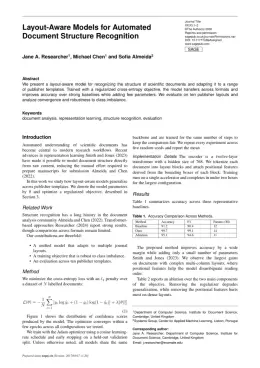
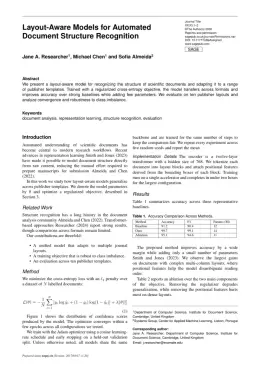
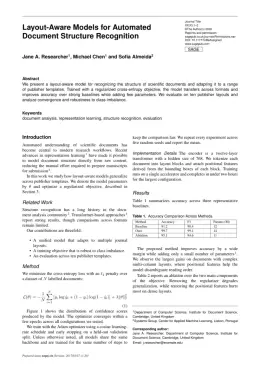
About the Psychopathology Review format
Psychopathology Review is a peer-reviewed journal published by SAGE, covering Anxiety, Depression, Psychometrics, Treatment, Cognitive Processes, Child and Adolescent Psychosocial and Emotional Development, Mental Health Research Topics.
| Publisher | SAGE |
|---|
| Reference style | Author–year (Harvard) Author–year — (Smith, 2023) in the text
Smith, A., Jones, B. and Lee, C. (2023) 'A representative article title', Psychopathology Review, 12(3), pp. 45–58.
Formats any DOI in Psychopathology Review style. No sign-up.
|
|---|
| Publishes research in | Anxiety, Depression, Psychometrics, Treatment, Cognitive Processes Child and Adolescent Psychosocial and Emotional Development Mental Health Research Topics Personality Disorders and Psychopathology Obsessive-Compulsive Spectrum Disorders |
|---|
| ISSN | 2051-8315 |
|---|
| h-index | 16 |
|---|
| i10-index | 23 |
|---|
| Total citations | 805 |
|---|
| Top institutions publishing here | Griffith University |
|---|
| Journal website | pr.textrum.com |
|---|
| You get | A submission-ready PDF and the editable LaTeX source — ready to submit. |
|---|
Papers published in Psychopathology Review per year
Citation impact of Psychopathology Review by publication year
Citations each year’s papers have accumulated so far — the most recent years are still building up.
Most-cited papers in Psychopathology Review
Information Processing in PTSD: Evidence for Biased Attentional, Interpretation, and Memory Processes
Jessica Bomyea, Alyson Johnson, Ariel J. Lang · 21 Feb 2016
This comprehensive review surveys current literature on information processing biases in posttraumatic stress disorder (PTSD). The review is organized by information processing systems including attention, judgment and interpretation, and memory. Studies outlined suggest that information processing biases may be key factors involved in the development and maintenance of PTSD. However, inconsistencies exist in the literature…
The Brave New World of Personality Disorder-Trait Specified: Effects of Additional Definitions on Coverage, Prevalence, and Comorbidity
Lee Anna Clark, Emily Vanderbleek, Jaime L. Shapiro et al. · 1 Feb 2015
The alternative dimensional model for personality disorder (PD) in DSM-5, Section III (DSM-5–III) includes two main criteria: (A) personality-functioning impairment, and (B) personality-trait pathology; provides specific functioning-and-trait criteria for six PD-type diagnoses; and introduces PD-trait specified (PD-TS), which requires meeting the general PD criteria and not meeting criteria for any specific PD type. We termed…
A Transdiagnostic Temperament-Phenotype Profile Approach to Emotional Disorder Classification: An Update
Anthony J. Rosellini, Hannah T. Boettcher, Timothy A. Brown et al. · 1 Feb 2015
Although the emotional disorders (EDs) have achieved favorable reliability in the Diagnostic and Statistical Manual of Mental Disorders (DSM), accumulating evidence continues to underscore limitations in ED diagnostic validity. In particular, taxometric, comorbidity, and other descriptive psychopathology studies of transdiagnostic phenotypes suggest that the EDs may be best conceptualized as dimensional entities that are more…
Experimental Psychopathology and Clinical Psychology: An Integrative Model to Guide Clinical Science and Practice
Allison M. Waters, Richard T. LeBeau, Michelle G. Craske · 21 Feb 2016
Experimental psychopathology has elucidated mechanisms underlying various forms of psychopathology and has contributed to the continuous updating and generation of mechanistically-focused and evidence-based psychological treatments. Clinical psychology is an applied field of psychology concerned with the assessment and treatment of psychological disorders and behavioral problems. Despite the notable commonality in their focus upon psychological dysfunction,…
The HPA Axis in the Pathogenesis and Treatment of Depressive Disorders: Integrating Clinical and Molecular Findings
David Baumeister, Stafford L. Lightman, Carmine M. Pariante · 21 Feb 2016
Studies over the last forty years have demonstrated that hyperactivity of the hypothalamic-pituitary-adrenal (HPA) axis is one of the most consistent biological findings in major depression, but much of the mechanisms underlying this abnormality are still unclear. This review will elaborate on both the clinical and molecular role of the neuroendocrine stress system in depressive…