SAGE

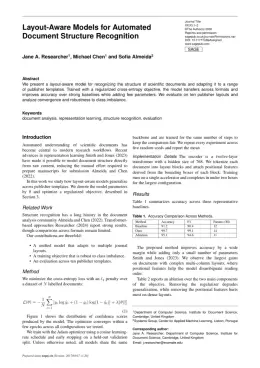
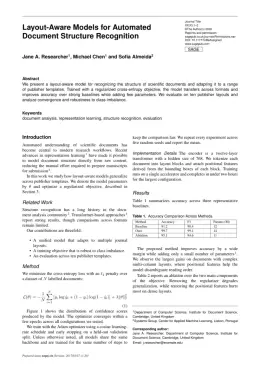
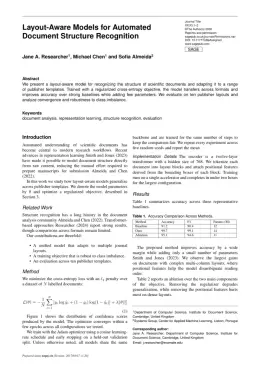
Molecular Pain Template

Write in a clean editor, then format for Molecular Pain in one click — DocuGuru applies the official SAGE template with author–year references and exports a submission-ready PDF plus the editable LaTeX source. Free to start.

About the Molecular Pain format

Molecular Pain is a peer-reviewed journal published by SAGE, covering Pain Mechanisms and Treatments, Neuropeptides and Animal Physiology, Ion channel regulation and function.

PublisherSAGE
Reference styleAuthor–year (Harvard)
Author–year — (Smith, 2023) in the text
Smith, A., Jones, B. and Lee, C. (2023) 'A representative article title', Molecular Pain, 12(3), pp. 45–58.

Formats any DOI in Molecular Pain style. No sign-up.

Publishes research inPain Mechanisms and Treatments Neuropeptides and Animal Physiology Ion channel regulation and function Ion Channels and Receptors Neuroscience and Neuropharmacology Research
ISSN1744-8069
Citation impact (2-yr)2.16
h-index116
i10-index1,249
Total citations67,092
Article processing charge$2,500
Open accessYes
Top institutions publishing hereUniversity of Toronto
Journal websitewww.molecularpain.com
You getA submission-ready PDF and the editable LaTeX source — ready to submit.

Papers published in Molecular Pain per year

106
2014
74
2015
98
2016
101
2017
110
2018
92
2019
81
2020
67
2021
67
2022
59
2023
53
2024
73
2025

Citation impact of Molecular Pain by publication year

4.1K
2014
2.7K
2015
3.7K
2016
3K
2017
3.5K
2018
2.3K
2019
1.9K
2020
1.1K
2021
870
2022
702
2023
245
2024
112
2025

Citations each year’s papers have accumulated so far — the most recent years are still building up.

Most-cited papers in Molecular Pain

The Rat Grimace Scale: A Partially Automated Method for Quantifying Pain in the Laboratory Rat via Facial Expressions

Susana G Sotocina, Robert E. Sorge, Austin Zaloum et al. · 1 Jan 2011

We recently demonstrated the utility of quantifying spontaneous pain in mice via the blinded coding of facial expressions. As the majority of preclinical pain research is in fact performed in the laboratory rat, we attempted to modify the scale for use in this species. We present herein the Rat Grimace Scale, and show its reliability,…

p38 MAPK, Microglial Signaling, and Neuropathic Pain

Ru‐Rong Ji, Marc R. Suter · 1 Jan 2007

Accumulating evidence over last several years indicates an important role of microglial cells in the pathogenesis of neuropathic pain. Signal transduction in microglia under chronic pain states has begun to be revealed. We will review the evidence that p38 MAPK is activated in spinal microglia after nerve injury and contributes importantly to neuropathic pain development…

Sensitization of TRPV1 by EP<sub>1</sub> and IP Reveals Peripheral Nociceptive Mechanism of Prostaglandins

Tomoko Moriyama, Tomohiro Higashi, Kazuya Togashi et al. · 1 Jan 2005

Prostaglandin E2 (PGE2) and prostaglandin I2 (PGI2) are major inflammatory mediators that play important roles in pain sensation and hyperalgesia. The role of their receptors (EP and IP, respectively) in inflammation has been well documented, although the EP receptor subtypes involved in this process and the underlying cellular mechanisms remain to be elucidated. The capsaicin…

A Simplified Up-Down Method (SUDO) for Measuring Mechanical Nociception in Rodents Using von Frey Filaments

Robert P. Bonin, Cyril Bories, Yves De Koninck · 1 Jan 2014

BACKGROUND: The measurement of mechanosensitivity is a key method for the study of pain in animal models. This is often accomplished with the use of von Frey filaments in an up-down testing paradigm. The up-down method described by Chaplan et al. (J Neurosci Methods 53:55-63, 1994) for mechanosensitivity testing in rodents remains one of the…

HC-030031, a TRPA1 Selective Antagonist, Attenuates Inflammatory- and Neuropathy-Induced Mechanical Hypersensitivity

Samer R. Eid, Eric D. Crown, Eric L. Moore et al. · 1 Jan 2008

BACKGROUND: Safe and effective treatment for chronic inflammatory and neuropathic pain remains a key unmet medical need for many patients. The recent discovery and description of the transient receptor potential family of receptors including TRPV1 and TRPA1 has provided a number of potential new therapeutic targets for treating chronic pain. Recent reports have suggested that…

Molecular Pain template — frequently asked questions

How do I write a paper in the Molecular Pain format?
In DocuGuru you write your manuscript in a normal editor — no LaTeX setup required — and select the Molecular Pain template. When you export, DocuGuru compiles the paper into the official SAGE format and hands you a submission-ready PDF along with the editable LaTeX source.
What reference style does Molecular Pain use?
Molecular Pain uses Author–year (Harvard) references, shown as author–year markers such as (Smith, 2023) in the text. DocuGuru formats every in-text citation and the reference list in this exact style automatically. A reference appears like this: Smith, A., Jones, B. and Lee, C. (2023) 'A representative article title', Molecular Pain, 12(3), pp. 45–58.
Do I need to know LaTeX to submit to Molecular Pain?
No. DocuGuru generates the sagej LaTeX class and compiles the PDF for you in the background, so you get a SAGE-ready Molecular Pain document without writing any LaTeX. If you do want it, the LaTeX source is included in the export.
Can I import an existing draft into the Molecular Pain template?
Yes. Paste or upload your current manuscript — Word, LaTeX, Markdown, or plain text — and DocuGuru reflows it into the Molecular Pain format with correct headings, figures, tables, and author–year citations.
Who publishes Molecular Pain?
Molecular Pain is a multidisciplinary journal published by SAGE. DocuGuru's Molecular Pain template matches SAGE's official submission format.
Can I export a submission-ready Molecular Pain PDF?
Yes — DocuGuru produces a PDF built with the official Molecular Pain template (the sagej class) that is ready to submit to SAGE, together with the matching LaTeX source files.
How much does the Molecular Pain template cost?
You can start writing in the Molecular Pain template for free. Exporting the final submission-ready Molecular Pain PDF and LaTeX source is part of DocuGuru's paid plans — see the app for current pricing.

Use the Molecular Pain template