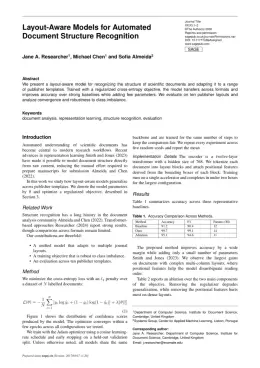
SAGE

Journal of Experimental Neuroscience Template

Write in a clean editor, then format for Journal of Experimental Neuroscience in one click — DocuGuru applies the official SAGE template with author–year references and exports a submission-ready PDF plus the editable LaTeX source. Free to start.

About the Journal of Experimental Neuroscience format

Journal of Experimental Neuroscience is a peer-reviewed journal published by SAGE, covering Neuroscience and Neuropharmacology Research, Neurogenesis and neuroplasticity mechanisms, Neural dynamics and brain function.

PublisherSAGE
Reference styleAuthor–year (Harvard)
Author–year — (Smith, 2023) in the text
Smith, A., Jones, B. and Lee, C. (2023) 'A representative article title', Journal of Experimental Neuroscience, 12(3), pp. 45–58.

Formats any DOI in Journal of Experimental Neuroscience style. No sign-up.

Publishes research inNeuroscience and Neuropharmacology Research Neurogenesis and neuroplasticity mechanisms Neural dynamics and brain function Neuroinflammation and Neurodegeneration Mechanisms Neurobiology and Insect Physiology Research
ISSN1179-0695
h-index35
i10-index115
Total citations5,040
Article processing charge$1,500
Open accessYes
Top institutions publishing hereUniversity of Oklahoma Health Sciences Center
Journal websitejournals.sagepub.com
You getA submission-ready PDF and the editable LaTeX source — ready to submit.

Papers published in Journal of Experimental Neuroscience per year

2
2008
5
2009
3
2010
6
2011
3
2012
10
2013
2
2014
27
2015
18
2016
16
2017
60
2018
48
2019

Citation impact of Journal of Experimental Neuroscience by publication year

0
2008
25
2009
67
2010
31
2011
15
2012
181
2013
35
2014
649
2015
1K
2016
222
2017
1.6K
2018
1.2K
2019

Citations each year’s papers have accumulated so far — the most recent years are still building up.

Most-cited papers in Journal of Experimental Neuroscience

Reactive Oxygen Species: Physiological and Physiopathological Effects on Synaptic Plasticity

Thiago Fernando Beckhauser, José Fernando de Oliveira, Roberto De Pasquale · 1 Jan 2016

In the mammalian central nervous system, reactive oxygen species (ROS) generation is counterbalanced by antioxidant defenses. When large amounts of ROS accumulate, antioxidant mechanisms become overwhelmed and oxidative cellular stress may occur. Therefore, ROS are typically characterized as toxic molecules, oxidizing membrane lipids, changing the conformation of proteins, damaging nucleic acids, and causing deficits in…

Physiological and Functional Basis of Dopamine Receptors and Their Role in Neurogenesis: Possible Implication for Parkinson’s disease

Akanksha Mishra, Sarika Singh, Shubha Shukla · 1 Jan 2018

Dopamine controls various physiological functions in the brain and periphery by acting on its receptors D1, D2, D3, D4, and D5. Dopamine receptors are G protein-coupled receptors involved in the regulation of motor activity and several neurological disorders such as schizophrenia, bipolar disorder, Parkinson's disease (PD), Alzheimer's disease, and attention-deficit/hyperactivity disorder. Reduction in dopamine content…

An Integrative Approach to Neuroinflammation in Psychiatric disorders and Neuropathic Pain

Diana I. Lurie · 1 Jan 2018

Neuroinflammation is a complex process involving both the peripheral circulation and the Central Nervous System (CNS) and is considered to underlie many CNS disorders including depression, anxiety, schizophrenia, and pain. Stressors including early-life adversity, psychosocial stress, and infection appear to prime microglia toward a pro-inflammatory phenotype. Subsequent inflammatory challenges then drive an exaggerated neuroinflammatory response…

Blast-Related Traumatic Brain Injury: Current Concepts and Research Considerations

Daniel W. Bryden, Jessica Tilghman, Sidney R. Hinds · 1 Jan 2019

Traumatic brain injury (TBI) is a well-known consequence of participation in activities such as military combat or collision sports. But the wide variability in eliciting circumstances and injury severities makes the study of TBI as a uniform disease state impossible. Military Service members are under additional, unique threats such as exposure to explosive blast and…

A Review of MicroRNA Biomarkers in Traumatic Brain Injury

Hamna Atif, Steven D. Hicks · 1 Jan 2019

There is growing public concern surrounding traumatic brain injury (TBI). TBI can cause significant morbidity, and the long-term sequelae are poorly understood. TBI diagnosis and management rely on patient-reported symptoms and subjective clinical assessment. There are no biologic tools to detect mild TBI or to track brain recovery. Emerging evidence suggests that microRNAs (miRNAs) may…

Journal of Experimental Neuroscience template — frequently asked questions

How do I write a paper in the Journal of Experimental Neuroscience format?
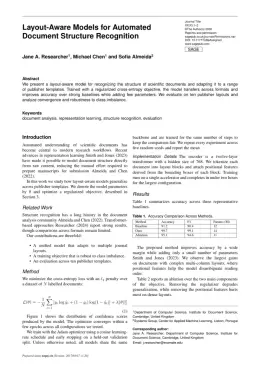
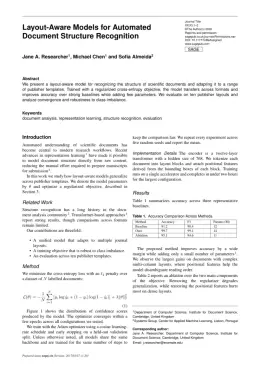
In DocuGuru you write your manuscript in a normal editor — no LaTeX setup required — and select the Journal of Experimental Neuroscience template. When you export, DocuGuru compiles the paper into the official SAGE format and hands you a submission-ready PDF along with the editable LaTeX source.
What reference style does Journal of Experimental Neuroscience use?
Journal of Experimental Neuroscience uses Author–year (Harvard) references, shown as author–year markers such as (Smith, 2023) in the text. DocuGuru formats every in-text citation and the reference list in this exact style automatically. A reference appears like this: Smith, A., Jones, B. and Lee, C. (2023) 'A representative article title', Journal of Experimental Neuroscience, 12(3), pp. 45–58.
Do I need to know LaTeX to submit to Journal of Experimental Neuroscience?
No. DocuGuru generates the sagej LaTeX class and compiles the PDF for you in the background, so you get a SAGE-ready Journal of Experimental Neuroscience document without writing any LaTeX. If you do want it, the LaTeX source is included in the export.
Can I import an existing draft into the Journal of Experimental Neuroscience template?
Yes. Paste or upload your current manuscript — Word, LaTeX, Markdown, or plain text — and DocuGuru reflows it into the Journal of Experimental Neuroscience format with correct headings, figures, tables, and author–year citations.
Who publishes Journal of Experimental Neuroscience?
Journal of Experimental Neuroscience is a multidisciplinary journal published by SAGE. DocuGuru's Journal of Experimental Neuroscience template matches SAGE's official submission format.
Can I export a submission-ready Journal of Experimental Neuroscience PDF?
Yes — DocuGuru produces a PDF built with the official Journal of Experimental Neuroscience template (the sagej class) that is ready to submit to SAGE, together with the matching LaTeX source files.
How much does the Journal of Experimental Neuroscience template cost?
You can start writing in the Journal of Experimental Neuroscience template for free. Exporting the final submission-ready Journal of Experimental Neuroscience PDF and LaTeX source is part of DocuGuru's paid plans — see the app for current pricing.
Use the Journal of Experimental Neuroscience template