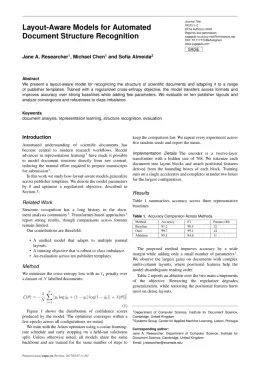
About the Autism format
Autism is a peer-reviewed journal published by SAGE, covering Autism Spectrum Disorder Research, Family and Disability Support Research, Child Nutrition and Feeding Issues. Over its lifetime it has published 3,409 papers, which have received 156,684 citations.
| Publisher | SAGE |
|---|
| Reference style | Author–year (Harvard) Author–year — (Smith, 2023) in the text
Smith, A., Jones, B. and Lee, C. (2023) 'A representative article title', Autism, 12(3), pp. 45–58.
Formats any DOI in Autism style. No sign-up.
|
|---|
| Publishes research in | Autism Spectrum Disorder Research Family and Disability Support Research Child Nutrition and Feeding Issues Child Development and Digital Technology Behavioral and Psychological Studies |
|---|
| ISSN | 1362-3613 |
|---|
| Citation impact (2-yr) | 6.07 |
|---|
| h-index | 177 |
|---|
| i10-index | 2,033 |
|---|
| Top institutions publishing here | University College London |
|---|
| Journal website | www.sagepub.com |
|---|
| You get | A submission-ready PDF and the editable LaTeX source — ready to submit. |
|---|
Papers published in Autism per year
Citation impact of Autism by publication year
Citations each year’s papers have accumulated so far — the most recent years are still building up.
Most-cited papers in Autism
Which terms should be used to describe autism? Perspectives from the UK autism community
Lorcan Kenny, Caroline Hattersley, Bonnie Molins et al. · 1 Jul 2015
Recent public discussions suggest that there is much disagreement about the way autism is and should be described. This study sought to elicit the views and preferences of UK autism community members - autistic people, parents and their broader support network - about the terms they use to describe autism. In all, 3470 UK residents…
The health status of adults on the autism spectrum
Lisa Croen, Ousseny Zerbo, Yinge Qian et al. · 24 Apr 2015
Compared to the general pediatric population, children with autism have higher rates of co-occurring medical and psychiatric illnesses, yet very little is known about the general health status of adults with autism. The objective of this study was to describe the frequency of psychiatric and medical conditions among a large, diverse, insured population of adults…
The Prevalence of Anxiety and Mood Problems among Children with Autism and Asperger Syndrome
Joseph A. Kim, Péter Szatmári, Susan E. Bryson et al. · 1 Jun 2000
The objective of this study was to report on the prevalence and correlates of anxiety and mood problems among 9- to 14- year-old children with Asperger syndrome (AS) and high-functioning autism. Children who received a diagnosis of autism ( n 40) or AS ( n 19) on a diagnostic interview when they were 4 to…
Parenting stress and psychological functioning among mothers of preschool children with autism and developmental delay
Annette Estes, Jeffrey Munson, Géraldine Dawson et al. · 17 Jun 2009
Parents of children with developmental disabilities, particularly autism spectrum disorders (ASDs), are at risk for high levels of distress. The factors contributing to this are unclear. This study investigated how child characteristics influence maternal parenting stress and psychological distress. Participants consisted of mothers and developmental-age matched preschool-aged children with ASD (N = 51) and developmental…
What should autism research focus upon? Community views and priorities from the United Kingdom
Elizabeth Pellicano, Adam Dinsmore, Tony Charman · 30 Apr 2014
The rise in the measured prevalence of autism has been accompanied by much new research and research investment internationally. This study sought to establish whether the pattern of current UK autism research funding maps on to the concerns of the autism community. Interviews and focus groups were conducted with autistic adults, family members, practitioners and…