SAGE

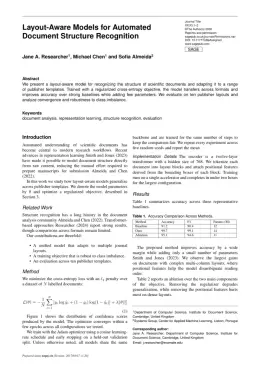
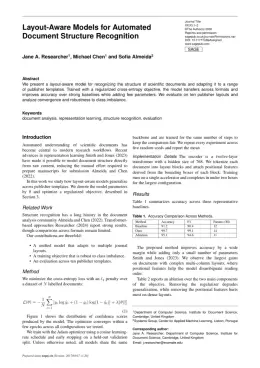
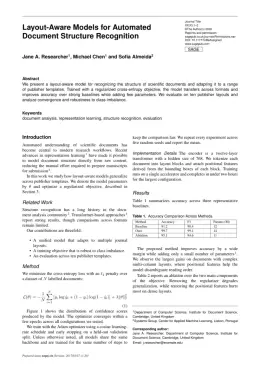
AlterNative An International Journal of Indigenous Peoples Template

Write in a clean editor, then format for AlterNative An International Journal of Indigenous Peoples in one click — DocuGuru applies the official SAGE template with author–year references and exports a submission-ready PDF plus the editable LaTeX source. Free to start.

About the AlterNative An International Journal of Indigenous Peoples format

AlterNative An International Journal of Indigenous Peoples is a peer-reviewed journal published by SAGE, covering Indigenous Health, Education, and Rights, Indigenous Studies and Ecology, Island Studies and Pacific Affairs.

PublisherSAGE
Reference styleAuthor–year (Harvard)
Author–year — (Smith, 2023) in the text
Smith, A., Jones, B. and Lee, C. (2023) 'A representative article title', AlterNative An International Journal of Indigenous Peoples, 12(3), pp. 45–58.

Formats any DOI in AlterNative An International Journal of Indigenous Peoples style. No sign-up.

Publishes research inIndigenous Health, Education, and Rights Indigenous Studies and Ecology Island Studies and Pacific Affairs Anthropological Studies and Insights Community Health and Development
ISSN1174-1740
Citation impact (2-yr)1.08
h-index46
i10-index274
Total citations10,400
Top institutions publishing hereUniversity of Auckland
Journal websitewww.alternative.ac.nz
You getA submission-ready PDF and the editable LaTeX source — ready to submit.

Papers published in AlterNative An International Journal of Indigenous Peoples per year

56
2014
42
2015
55
2016
49
2017
40
2018
36
2019
49
2020
57
2021
78
2022
85
2023
86
2024
91
2025

Citation impact of AlterNative An International Journal of Indigenous Peoples by publication year

815
2014
495
2015
839
2016
919
2017
1K
2018
679
2019
677
2020
935
2021
481
2022
416
2023
164
2024
70
2025

Citations each year’s papers have accumulated so far — the most recent years are still building up.

Most-cited papers in AlterNative An International Journal of Indigenous Peoples

Indigenization as inclusion, reconciliation, and decolonization: navigating the different visions for indigenizing the Canadian Academy

Adam Gaudry, Danielle Lorenz · 6 Jul 2018

Following the release of the Truth and Reconciliation Commission of Canada’s Calls to Action, Canadian universities and colleges have felt pressured to indigenize their institutions. What “indigenization” has looked like, however, has varied significantly. Based on the input from an anonymous online survey of 25 Indigenous academics and their allies, we assert that indigenization is…

Positioning Historical Trauma Theory within Aotearoa new Zealand

Leonie Pīhama, Paul Reynolds, Cherryl Smith et al. · 1 Sep 2014

This article explores the relevance of historical trauma theory for Māori research. In exploring the impact of historical trauma upon Māori it has become clear that the terminology associated with historical trauma theory is considered controversial in Aotearoa New Zealand. As such, this article provides an overview of key definitions relevant to historical trauma and…

Decolonising Framings in Pacific Research: Indigenous Fijian Vanua Research Framework as an Organic Response

Unaisi Nabobo‐Baba · 1 Sep 2008

Research among indigenous peoples of the Pacific in the 21 st century face a number of challenges. One of the most powerful of these is the unchecked and careless use of frames that do not take into account languages and Indigenous knowledge protocols, philosophies and principles, especially where and when their own knowledges and tribal…

Traditional storytelling: an effective Indigenous research methodology and its implications for environmental research

Ranjan Datta · 9 Nov 2017

Using traditional Western research methods to explore Indigenous perspectives has often been felt by the Indigenous people themselves to be inappropriate and ineffective in gathering information and promoting discussion. On the contrary, using traditional storytelling as a research method links Indigenous worldviews, shaping the approach of the research; the theoretical and conceptual frameworks; and the…

Traditional Knowledge and Water Governance: The ethic of responsibility

Deborah McGregor · 1 Nov 2014

This paper is based on traditional knowledge policy research undertaken over the last 15 years with First Nations in Ontario. First Nations traditional knowledge-based responses to the water crisis evoke an alternative narrative to the dominant discourse. Canadian governments are focused primarily on scientific and technological approaches to resolving water quality issues. In contrast, First…

AlterNative An International Journal of Indigenous Peoples template — frequently asked questions

How do I write a paper in the AlterNative An International Journal of Indigenous Peoples format?
In DocuGuru you write your manuscript in a normal editor — no LaTeX setup required — and select the AlterNative An International Journal of Indigenous Peoples template. When you export, DocuGuru compiles the paper into the official SAGE format and hands you a submission-ready PDF along with the editable LaTeX source.
What reference style does AlterNative An International Journal of Indigenous Peoples use?
AlterNative An International Journal of Indigenous Peoples uses Author–year (Harvard) references, shown as author–year markers such as (Smith, 2023) in the text. DocuGuru formats every in-text citation and the reference list in this exact style automatically. A reference appears like this: Smith, A., Jones, B. and Lee, C. (2023) 'A representative article title', AlterNative An International Journal of Indigenous Peoples, 12(3), pp. 45–58.
Do I need to know LaTeX to submit to AlterNative An International Journal of Indigenous Peoples?
No. DocuGuru generates the sagej LaTeX class and compiles the PDF for you in the background, so you get a SAGE-ready AlterNative An International Journal of Indigenous Peoples document without writing any LaTeX. If you do want it, the LaTeX source is included in the export.
Can I import an existing draft into the AlterNative An International Journal of Indigenous Peoples template?
Yes. Paste or upload your current manuscript — Word, LaTeX, Markdown, or plain text — and DocuGuru reflows it into the AlterNative An International Journal of Indigenous Peoples format with correct headings, figures, tables, and author–year citations.
Who publishes AlterNative An International Journal of Indigenous Peoples?
AlterNative An International Journal of Indigenous Peoples is a multidisciplinary journal published by SAGE. DocuGuru's AlterNative An International Journal of Indigenous Peoples template matches SAGE's official submission format.
Can I export a submission-ready AlterNative An International Journal of Indigenous Peoples PDF?
Yes — DocuGuru produces a PDF built with the official AlterNative An International Journal of Indigenous Peoples template (the sagej class) that is ready to submit to SAGE, together with the matching LaTeX source files.
How much does the AlterNative An International Journal of Indigenous Peoples template cost?
You can start writing in the AlterNative An International Journal of Indigenous Peoples template for free. Exporting the final submission-ready AlterNative An International Journal of Indigenous Peoples PDF and LaTeX source is part of DocuGuru's paid plans — see the app for current pricing.

Use the AlterNative An International Journal of Indigenous Peoples template