SAGE

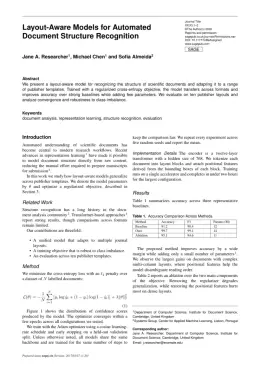
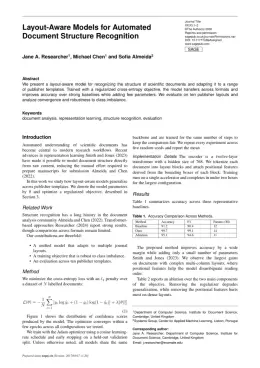
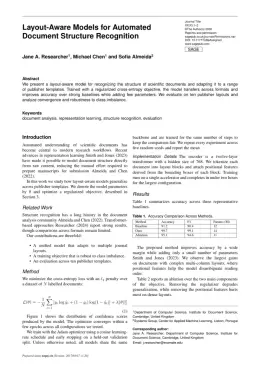
Advances in Rehabilitation Science and Practice Template

Write in a clean editor, then format for Advances in Rehabilitation Science and Practice in one click — DocuGuru applies the official SAGE template with author–year references and exports a submission-ready PDF plus the editable LaTeX source. Free to start.

About the Advances in Rehabilitation Science and Practice format

Advances in Rehabilitation Science and Practice is a peer-reviewed journal published by SAGE, covering Stroke Rehabilitation and Recovery, Botulinum Toxin and Related Neurological Disorders, Cerebral Palsy and Movement Disorders.

PublisherSAGE
Reference styleAuthor–year (Harvard)
Author–year — (Smith, 2023) in the text
Smith, A., Jones, B. and Lee, C. (2023) 'A representative article title', Advances in Rehabilitation Science and Practice, 12(3), pp. 45–58.

Formats any DOI in Advances in Rehabilitation Science and Practice style. No sign-up.

Publishes research inStroke Rehabilitation and Recovery Botulinum Toxin and Related Neurological Disorders Cerebral Palsy and Movement Disorders Long-Term Effects of COVID-19 Traumatic Brain Injury Research
ISSN2753-6351
Citation impact (2-yr)1.27
h-index7
i10-index4
Total citations144
Top institutions publishing hereUniversity of Leeds
You getA submission-ready PDF and the editable LaTeX source — ready to submit.

Papers published in Advances in Rehabilitation Science and Practice per year

1
2007
13
2023
16
2024
24
2025

Citation impact of Advances in Rehabilitation Science and Practice by publication year

0
2007
74
2023
46
2024
23
2025

Citations each year’s papers have accumulated so far — the most recent years are still building up.

Most-cited papers in Advances in Rehabilitation Science and Practice

HEART Rate Variability Biofeedback for LOng COVID Dysautonomia (HEARTLOC): Results of a Feasibility Study

Joanna Corrado, Nafi Iftekhar, Stephen Halpin et al. · 1 Jan 2024

Introduction: Post-COVID-19 syndrome, or Long Covid (LC) refers to symptoms persisting 12 weeks after the COVID-19 infection. LC comprises a wide range of dysautonomia symptoms, including fatigue, breathlessness, palpitations, dizziness, pain and brain fog. This study tested the feasibility and estimated the efficacy, of a Heart Rate Variability Biofeedback (HRV-B) programme via a standardised slow…

Inpatient Rehabilitation After Acute Severe Stroke: Predictive Value of the National Institutes of Health Stroke Scale Among Other Potential Predictors for Discharge Destination

Sinikka Tarvonen-Schröder, Tuuli Niemi, Mari Koivisto · 1 Jan 2023

Background: Research focusing on predictors for discharge destination after rehabilitation of inpatients recovering from severe stroke is scarce. The predictive value of rehabilitation admission NIHSS score among other potential predictors available on admission to rehabilitation has not been studied. Aim: The aim of this retrospective interventional study was to determine the predictive accuracy of 24…

Study of the Responsiveness and Minimal Clinically Important Difference of the Trunk Impairment Scale in Patients With Acute Stroke

Masahiro Ishiwatari, Tsuyoshi Takahara, Masato Hayakawa et al. · 1 Jan 2023

Background: Trunk function is a prerequisite for functional activity; thus, it is crucial to carry out proper assessments and interventions. However, there is no clear indicator for trunk function evaluation in patients with stroke. To understand the effects of interventions over time, it is important to adopt responsive clinical indicators. Purpose: To examine the Trunk…

Exploring Antenatal Exercise: Knowledge, Attitudes, Practices, and Influencing Factors among Pregnant Women in Libya

Alhadi M. Jahan, Salima M Anaiba · 1 Jan 2023

Background: Antenatal exercise is crucial in promoting pregnant women’s health and well-being. However, no research in Libya examined the knowledge, attitudes, and practices of antenatal exercise among pregnant women. Methods: This cross-sectional study aimed to explore the knowledge, attitudes, and practices related to antenatal exercise among pregnant women in Libya. A convenience sample of pregnant…

Variations in Health-Related Quality of Life After Stroke: Insights From a Clinical Trial on Arm Rehabilitation With a Long-Term Follow-Up

Giada Milani, Linda Mantovani, Andrea Baroni et al. · 1 Jan 2023

Despite rehabilitation, stroke patients continue to have impaired function and reduced health-related quality of life (HRQoL) even in a chronic stage. However, no clear information is available on long-term variations in HRQoL. In this study, we aimed to report the short- and long-term changes in HRQoL in a subacute stroke sample that was enrolled in…

Advances in Rehabilitation Science and Practice template — frequently asked questions

How do I write a paper in the Advances in Rehabilitation Science and Practice format?
In DocuGuru you write your manuscript in a normal editor — no LaTeX setup required — and select the Advances in Rehabilitation Science and Practice template. When you export, DocuGuru compiles the paper into the official SAGE format and hands you a submission-ready PDF along with the editable LaTeX source.
What reference style does Advances in Rehabilitation Science and Practice use?
Advances in Rehabilitation Science and Practice uses Author–year (Harvard) references, shown as author–year markers such as (Smith, 2023) in the text. DocuGuru formats every in-text citation and the reference list in this exact style automatically. A reference appears like this: Smith, A., Jones, B. and Lee, C. (2023) 'A representative article title', Advances in Rehabilitation Science and Practice, 12(3), pp. 45–58.
Do I need to know LaTeX to submit to Advances in Rehabilitation Science and Practice?
No. DocuGuru generates the sagej LaTeX class and compiles the PDF for you in the background, so you get a SAGE-ready Advances in Rehabilitation Science and Practice document without writing any LaTeX. If you do want it, the LaTeX source is included in the export.
Can I import an existing draft into the Advances in Rehabilitation Science and Practice template?
Yes. Paste or upload your current manuscript — Word, LaTeX, Markdown, or plain text — and DocuGuru reflows it into the Advances in Rehabilitation Science and Practice format with correct headings, figures, tables, and author–year citations.
Who publishes Advances in Rehabilitation Science and Practice?
Advances in Rehabilitation Science and Practice is a multidisciplinary journal published by SAGE. DocuGuru's Advances in Rehabilitation Science and Practice template matches SAGE's official submission format.
Can I export a submission-ready Advances in Rehabilitation Science and Practice PDF?
Yes — DocuGuru produces a PDF built with the official Advances in Rehabilitation Science and Practice template (the sagej class) that is ready to submit to SAGE, together with the matching LaTeX source files.
How much does the Advances in Rehabilitation Science and Practice template cost?
You can start writing in the Advances in Rehabilitation Science and Practice template for free. Exporting the final submission-ready Advances in Rehabilitation Science and Practice PDF and LaTeX source is part of DocuGuru's paid plans — see the app for current pricing.

Use the Advances in Rehabilitation Science and Practice template