MDPI

BioChem Template

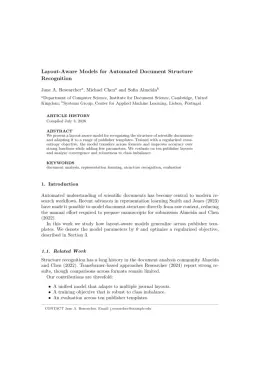
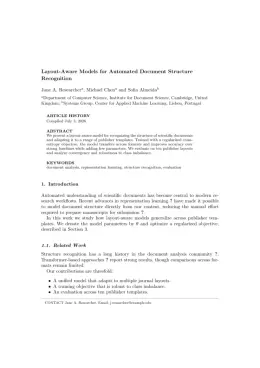
Write in a clean editor, then format for BioChem in one click — DocuGuru applies the official MDPI template with numbered references and exports a submission-ready PDF plus the editable LaTeX source. Free to start.

About the BioChem format

BioChem is a peer-reviewed journal published by MDPI, covering Computational Drug Discovery Methods, Natural product bioactivities and synthesis, Genetics, Bioinformatics, and Biomedical Research. Over its lifetime it has published 128 papers, which have received 671 citations.

PublisherMDPI
Reference styleNumbered (MDPI)
Numbered — [1], [2] in the text
1. Smith, A.; Jones, B.; Lee, C. A Representative Article Title. BioChem 2023, 12, 45–58.

Formats any DOI in BioChem style. No sign-up.

Publishes research inComputational Drug Discovery Methods Natural product bioactivities and synthesis Genetics, Bioinformatics, and Biomedical Research SARS-CoV-2 and COVID-19 Research RNA and protein synthesis mechanisms
ISSN2673-6411
Citation impact (2-yr)3.87
h-index12
i10-index22
Article processing charge$1,082
Open accessYes — indexed in DOAJ
Top institutions publishing hereUniversity of Algarve
Journal websitewww.mdpi.com
You getA submission-ready PDF and the editable LaTeX source — ready to submit.

Papers published in BioChem per year

19
2021
19
2022
12
2023
19
2024
43
2025

Citation impact of BioChem by publication year

146
2021
181
2022
39
2023
127
2024
154
2025

Citations each year’s papers have accumulated so far — the most recent years are still building up.

Most-cited papers in BioChem

The Future Is Bright for Polyoxometalates

Manuel Aureliano · 6 Jan 2022

Polyoxometalates (POMs) are clusters of units of oxoanions of transition metals, such as Mo, W, V and Nb, that can be formed upon acidification of neutral solutions. Once formed, some POMs have shown to persist in solution, even in the neutral and basic pH range. These inorganic clusters, amenable of a variety of structures, have…

Antidiabetic and Antioxidant Activities of the Twigs of Andrograhis paniculata on Streptozotocin-Induced Diabetic Male Rats

Olubanke Olujoke Ogunlana, Babatunde Oluwafemi Adetuyi, Elohor F. Esalomi et al. · 18 Nov 2021

Background: Diabetes is associated with chronic hyperglycaemia, long-term damage, dysfunction, and organ failure. This study aims to evaluate the antidiabetic activity of the twigs of Andrographis paniculata and its toxicological markers on Streptozotocin (STZ)-induced diabetic Albino rats. Methods: A total of thirty rats were randomly divided into five groups of six animals each. Non-diabetic animals…

Flavonoids and Flavonoid-Based Nanoparticles for Osteoarthritis and Rheumatoid Arthritis Management

Hicham Wahnou, Youness Limami, Mounia Oudghiri · 13 Mar 2024

Arthritis, a global health burden comprising osteoarthritis and rheumatoid arthritis, demands advanced therapeutic approaches. In this context, flavonoids, a diverse group of naturally occurring compounds abundant in fruits, vegetables, and medicinal plants, have emerged as promising candidates for mitigating the inflammatory processes associated with arthritic conditions. This review aims, first, to provide a comprehensive exploration…

Testicular Glycogen Metabolism: An Overlooked Source of Energy for Spermatogenesis?

Ricardo Silva, David F. Carrageta, Marco G. Alves et al. · 6 Sep 2022

The incidence of male infertility has been increasing over the years and is now becoming a serious health problem. This trend has been followed by an increase in metabolic diseases, which are known to induce clear alterations in testicular metabolism, although the underlying mechanismremain unclear. Testicular metabolism displays several unique features, with testicular somatic cells…

Natural Products as Protective Agents for Male Fertility

Raonna Caroline Ronchi Martins, Ana M.S. Silva, Ana Paula Duarte et al. · 28 Sep 2021

The male reproductive system is highly susceptible to noxious influences, such as oxidative stress, inflammation, drugs, and even diseases that can induce germ cell damage and alterations in spermatogenesis. All of these factors, which are caused by actions at the testicular level and/or at the excurrent ducts and accessory glands, significantly affect sperm parameters and…


BioChem template — frequently asked questions

How do I write a paper in the BioChem format?
In DocuGuru you write your manuscript in a normal editor — no LaTeX setup required — and select the BioChem template. When you export, DocuGuru compiles the paper into the official MDPI format and hands you a submission-ready PDF along with the editable LaTeX source.
What reference style does BioChem use?
BioChem uses Numbered (MDPI) references, shown as numbered [1], [2] markers in the text. DocuGuru formats every in-text citation and the reference list in this exact style automatically. A reference appears like this: 1. Smith, A.; Jones, B.; Lee, C. A Representative Article Title. BioChem 2023, 12, 45–58.
Do I need to know LaTeX to submit to BioChem?
No. DocuGuru generates the mdpi LaTeX class and compiles the PDF for you in the background, so you get a MDPI-ready BioChem document without writing any LaTeX. If you do want it, the LaTeX source is included in the export.
Can I import an existing draft into the BioChem template?
Yes. Paste or upload your current manuscript — Word, LaTeX, Markdown, or plain text — and DocuGuru reflows it into the BioChem format with correct headings, figures, tables, and numbered citations.
What is BioChem?
BioChem - MDPI Journal. It is a multidisciplinary journal, published by MDPI.
Can I export a submission-ready BioChem PDF?
Yes — DocuGuru produces a PDF built with the official BioChem template (the mdpi class) that is ready to submit to MDPI, together with the matching LaTeX source files.
How much does the BioChem template cost?
You can start writing in the BioChem template for free. Exporting the final submission-ready BioChem PDF and LaTeX source is part of DocuGuru's paid plans — see the app for current pricing.
Use the BioChem template