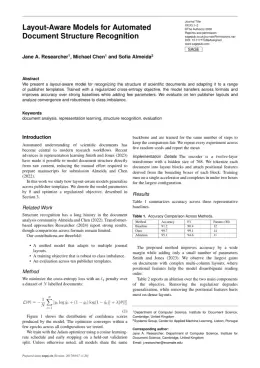
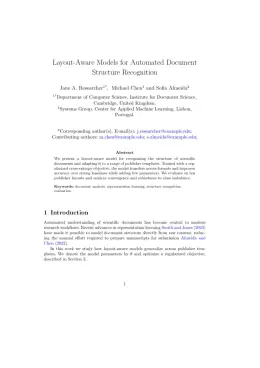
About the Adolescents format
Adolescents is a peer-reviewed journal published by MDPI, covering Child and Adolescent Psychosocial and Emotional Development, Adolescent Sexual and Reproductive Health, Impact of Technology on Adolescents. Over its lifetime it has published 304 papers, which have received 1,089 citations.
| Publisher | MDPI |
|---|
| Reference style | Numbered (MDPI) Numbered — [1], [2] in the text
1. Smith, A.; Jones, B.; Lee, C. A Representative Article Title. Adolescents 2023, 12, 45–58.
Formats any DOI in Adolescents style. No sign-up.
|
|---|
| Publishes research in | Child and Adolescent Psychosocial and Emotional Development Adolescent Sexual and Reproductive Health Impact of Technology on Adolescents Obesity, Physical Activity, Diet COVID-19 and Mental Health |
|---|
| ISSN | 2673-7051 |
|---|
| Citation impact (2-yr) | 1.63 |
|---|
| h-index | 15 |
|---|
| i10-index | 31 |
|---|
| Article processing charge | $1,082 |
|---|
| Open access | Yes — indexed in DOAJ |
|---|
| Top institutions publishing here | University of California San Diego |
|---|
| Journal website | www.mdpi.com |
|---|
| You get | A submission-ready PDF and the editable LaTeX source — ready to submit. |
|---|
Papers published in Adolescents per year
Citation impact of Adolescents by publication year
Citations each year’s papers have accumulated so far — the most recent years are still building up.
Most-cited papers in Adolescents
Reported Changes in Adolescent Psychosocial Functioning during the COVID-19 Outbreak
Sabina Kapetanovic, Sevtap Gurdal, Birgitta Ander et al. · 15 Jan 2021
What effect the outbreak of the COVID-19 pandemic has had on adolescents’ psychosocial functioning is currently unknown. Using the data of 1767 (50.2% female and 49.8 male) adolescents in Sweden, we discuss adolescents’ thoughts and behaviors around the COVID-19 outbreak, as well as reported changes in substance use, everyday life, relations, victimization, and mental health…
Youth Mental Health Peer Support Work: A Qualitative Study Exploring the Impacts and Challenges of Operating in a Peer Support Role
Calvert Tisdale, Nicole Snowdon, Julaine Allan et al. · 30 Sep 2021
Youth aged 16–24 years have the highest prevalence of mental illness in Australia, accounting for 26% of all mental illness. Youth mental health peer support work is a promising avenue of support for this population. However, limited research has examined impacts on those who provide youth mental health peer support work. We aimed to identify…
Understanding the Role of Prosocial Behavior in Youth Mental Health: Findings from a Scoping Review
Saima Hirani, Emmanuela Ojukwu, Nilanga Aki Bandara · 9 Aug 2022
Background: Mental health during a person’s adolescence plays a key role in setting the stage for their mental health over the rest of their life. Hence, initiatives that promote adolescents’ wellbeing are an important public health goal. Helping others can take a variety of forms, and the literature suggests that helping others can positively impact…
Social Media, Online Gaming, and Cyberbullying during the COVID-19 Pandemic: The Mediation Effect of Time Spent Online
Carlo Marinoni, Marco Rizzo, Maria Assunta Zanetti · 18 Jun 2024
During the COVID-19 pandemic, young people have become overexposed to social media and online gaming, making them more vulnerable to online violence such as cyberbullying. The aim of this study was to determine whether social media and online gaming pose a risk for cyberbullying through time spent online and whether there is a sex that…
Race, Socioeconomic Status, and Cerebellum Cortex Fractional Anisotropy in Pre-Adolescents
Shervin Assari, Shanika Boyce · 31 Mar 2021
INTRODUCTION: Cerebellum cortex fractional anisotropy is a proxy of the integrity of the cerebellum cortex. However, less is known about how it is shaped by race and socioeconomic status (SES) indicators such as parental education and household income. PURPOSE: In a national sample of American pre-adolescents, this study had two aims: to test the effects…