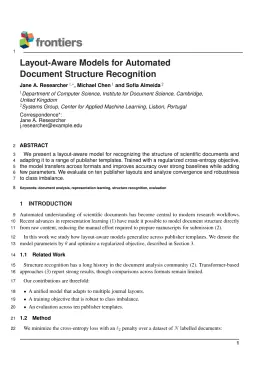
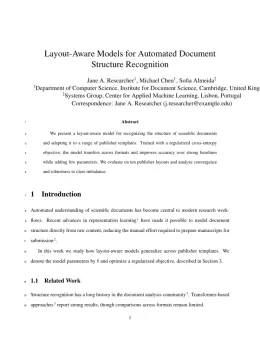
About the Acta Virologica format
Acta Virologica is a peer-reviewed journal published by Frontiers, covering Plant Virus Research Studies, Animal Virus Infections Studies, Virus-based gene therapy research. Over its lifetime it has published 1,042 papers, which have received 8,252 citations.
| Publisher | Frontiers |
|---|
| Reference style | Author–year (Harvard) Author–year — (Smith, 2023) in the text
Smith, A., Jones, B. and Lee, C. (2023) 'A representative article title', Acta Virologica, 12(3), pp. 45–58.
Formats any DOI in Acta Virologica style. No sign-up.
|
|---|
| Publishes research in | Plant Virus Research Studies Animal Virus Infections Studies Virus-based gene therapy research Viral gastroenteritis research and epidemiology Influenza Virus Research Studies |
|---|
| ISSN | 0001-723X |
|---|
| Citation impact (2-yr) | 1.71 |
|---|
| h-index | 34 |
|---|
| i10-index | 271 |
|---|
| Open access | Yes — indexed in DOAJ |
|---|
| Top institutions publishing here | Institute of Virology of the Slovak Academy of Sciences |
|---|
| You get | A submission-ready PDF and the editable LaTeX source — ready to submit. |
|---|
Papers published in Acta Virologica per year
Citation impact of Acta Virologica by publication year
Citations each year’s papers have accumulated so far — the most recent years are still building up.
Most-cited papers in Acta Virologica
The RNA polymerase of influenza A virus: mechanisms of viral transcription and replication
Ervin Fodor · 1 Jan 2013
The influenza A virus RNA genome segments are packaged in ribonucleoprotein complexes containing RNA polymerase and nucleoprotein. The ribonucleoprotein is involved in the transcription of viral genes and replication of the viral RNA genome in the nucleus of the infected cells, and represents the minimal transcriptional and replicative machinery of an influenza virus. During transcription,…
Disruption of the blood brain barrier is vital property of neurotropic viral infection of the central nervous system
Mazen M. Jamil Al‐Obaidi, Azadeh Bahadoran, Shuchao Wang et al. · 1 Jan 2018
The blood brain barrier consisting of astrocytes, pericytes and brain microvascular endothelial cells plays a vital role in the pathogenesis of neurotropic viruses by controlling the access of circulating molecules, immune cells or viruses into the central nervous system (CNS). However, this barrier is not impenetrable and neuroviruses have evolved to disrupt and evade it.…
Human parvovirus B19: A review
Lawal Dahiru Rogo, Talat Mokhtari‐Azad, M. H. KABIR et al. · 1 Jan 2014
UNLABELLED: Parvovirus B19 (B19V) is a small non-enveloped single-stranded DNA (ssDNA) virus of the family Parvoviridae, the subfamily Parvovirinae, the genus Erythrovirus and Human parvovirus B19 type species. It is a common community-acquired respiratory pathogen without ethnic, socioeconomic, gender, age or geographic boundaries. Moreover, the epidemiological and ecological relationships between human parvovirus B19, man and…
Chicken anemia virus: A deadly pathogen of poultry
Abiodun J. Fatoba, Matthew A. Adeleke · 1 Jan 2019
Chicken infectious anemia (CIA) is an immunosuppressive disease that causes great economic loss in poultry industry globally. This disease is caused by chicken anemia virus (CAV), an icosahedral and single-stranded DNA virus that is transmitted both vertically and horizontally. CAV, which belongs to the genus Gyrovirus has been reported in human, mouse and dog feces.…
Potential therapeutic effects of Resveratrol against SARS-CoV-2
Laihan Fajar Ramdani, Khaldoun Bacharı · 1 Jan 2020
Novel Coronavirus COVID-19 or Severe acute respiratory syndrome coronavirus 2 (SARS-CoV-2) as well as Severe acute respiratory syndrome coronavirus (SARS-CoV) and Middle East respiratory syndrome coronavirus (MERS-CoV), are human pathogens. Current pandemics of SARS-CoV-2 represents a major health problem worldwide, with over four million cases and more than 300,000 deaths in the world. Development of…