Elsevier

Matrix Biology Plus Template

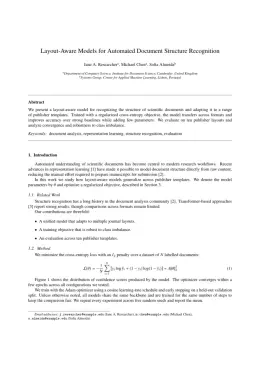
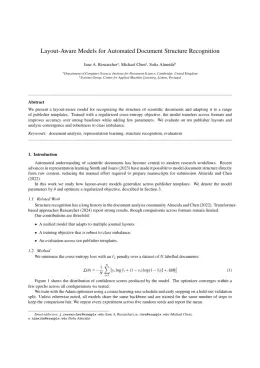
Write in a clean editor, then format for Matrix Biology Plus in one click — DocuGuru applies the official Elsevier template with numbered references and exports a submission-ready PDF plus the editable LaTeX source. Free to start.

About the Matrix Biology Plus format

Matrix Biology Plus is a peer-reviewed journal published by Elsevier, covering Cell Adhesion Molecules Research, Connective tissue disorders research, Proteoglycans and glycosaminoglycans research.

PublisherElsevier
Reference styleNumbered (Elsevier)
Numbered — [1], [2] in the text
[1] A. Smith, B. Jones, C. Lee, A representative article title, Matrix Biology Plus 12 (2023) 45–58.

Formats any DOI in Matrix Biology Plus style. No sign-up.

Publishes research inCell Adhesion Molecules Research Connective tissue disorders research Proteoglycans and glycosaminoglycans research Protease and Inhibitor Mechanisms Cellular Mechanics and Interactions
ISSN2590-0285
Citation impact (2-yr)3.25
h-index34
i10-index106
Total citations3,557
Article processing charge$2,200
Open accessYes
Top institutions publishing hereCentre National de la Recherche Scientifique
Journal websitewww.journals.elsevier.com
You getA submission-ready PDF and the editable LaTeX source — ready to submit.

Papers published in Matrix Biology Plus per year

1
1988
16
2019
31
2020
38
2021
26
2022
12
2023
24
2024
19
2025

Citation impact of Matrix Biology Plus by publication year

1
1988
672
2019
979
2020
1.1K
2021
486
2022
141
2023
148
2024
19
2025

Citations each year’s papers have accumulated so far — the most recent years are still building up.

Most-cited papers in Matrix Biology Plus

Alterations in extracellular matrix composition during aging and photoaging of the skin

Maxwell C. McCabe, Ryan C. Hill, Ken Calderone et al. · 17 Jun 2020

Human skin is composed of the cell-rich epidermis, the extracellular matrix (ECM) rich dermis, and the hypodermis. Within the dermis, a dense network of ECM proteins provides structural support to the skin and regulates a wide variety of signaling pathways which govern cell proliferation and other critical processes. Both intrinsic aging, which occurs steadily over…

The in-silico characterization of the Caenorhabditis elegans matrisome and proposal of a novel collagen classification

Alina C. Teuscher, Elisabeth Jongsma, Martin N. Davis et al. · 1 Feb 2019

is a widely used model organism for high throughput genetic and drug screens, and to study biological and pathological processes, the conserved matrisome genes may aid in identifying potential drug targets. In addition, the nematode-specific matrisome may be exploited for targeting parasitic infection of man and crops.

Collagen fibril assembly: New approaches to unanswered questions

Christopher K. Revell, Oliver E. Jensen, Tom Shearer et al. · 13 Jul 2021

Collagen fibrils are essential for metazoan life. They are the largest, most abundant, and most versatile protein polymers in animals, where they occur in the extracellular matrix to form the structural basis of tissues and organs. Collagen fibrils were first observed at the turn of the 20th century. During the last 40 years, the genes…

The role of extracellular matrix in the pathophysiology of diabetic wounds

Yaqing Huang, Themis R. Kyriakides · 22 Apr 2020

Impaired healing leading to the formation of ulcerated wounds is a critical concern in patients with diabetes. Abnormalities in extracellular matrix (ECM) production and remodeling contribute to tissue dysfunction and delayed healing. Specifically, diabetes-induced changes in the expression and/or activity of structural proteins, ECM-modifying enzymes, proteoglycans, and matricellular proteins have been reported. In this review,…

Matrix Biology Plus template — frequently asked questions

How do I write a paper in the Matrix Biology Plus format?
In DocuGuru you write your manuscript in a normal editor — no LaTeX setup required — and select the Matrix Biology Plus template. When you export, DocuGuru compiles the paper into the official Elsevier format and hands you a submission-ready PDF along with the editable LaTeX source.
What reference style does Matrix Biology Plus use?
Matrix Biology Plus uses Numbered (Elsevier) references, shown as numbered [1], [2] markers in the text. DocuGuru formats every in-text citation and the reference list in this exact style automatically. A reference appears like this: [1] A. Smith, B. Jones, C. Lee, A representative article title, Matrix Biology Plus 12 (2023) 45–58.
Do I need to know LaTeX to submit to Matrix Biology Plus?
No. DocuGuru generates the elsarticle LaTeX class and compiles the PDF for you in the background, so you get a Elsevier-ready Matrix Biology Plus document without writing any LaTeX. If you do want it, the LaTeX source is included in the export.
Can I import an existing draft into the Matrix Biology Plus template?
Yes. Paste or upload your current manuscript — Word, LaTeX, Markdown, or plain text — and DocuGuru reflows it into the Matrix Biology Plus format with correct headings, figures, tables, and numbered citations.
Who publishes Matrix Biology Plus?
Matrix Biology Plus is a multidisciplinary journal published by Elsevier. DocuGuru's Matrix Biology Plus template matches Elsevier's official submission format.
Can I export a submission-ready Matrix Biology Plus PDF?
Yes — DocuGuru produces a PDF built with the official Matrix Biology Plus template (the elsarticle class) that is ready to submit to Elsevier, together with the matching LaTeX source files.
How much does the Matrix Biology Plus template cost?
You can start writing in the Matrix Biology Plus template for free. Exporting the final submission-ready Matrix Biology Plus PDF and LaTeX source is part of DocuGuru's paid plans — see the app for current pricing.

Use the Matrix Biology Plus template