Elsevier

JACC Basic to Translational Science Template

Write in a clean editor, then format for JACC Basic to Translational Science in one click — DocuGuru applies the official Elsevier template with numbered references and exports a submission-ready PDF plus the editable LaTeX source. Free to start.

About the JACC Basic to Translational Science format

JACC Basic to Translational Science is a peer-reviewed journal published by Elsevier, covering Cardiovascular Function and Risk Factors, Cardiac Fibrosis and Remodeling, Diverse Scientific and Economic Studies.

PublisherElsevier
Reference styleNumbered (Elsevier)
Numbered — [1], [2] in the text
[1] A. Smith, B. Jones, C. Lee, A representative article title, JACC Basic to Translational Science 12 (2023) 45–58.

Formats any DOI in JACC Basic to Translational Science style. No sign-up.

Publishes research inCardiovascular Function and Risk Factors Cardiac Fibrosis and Remodeling Diverse Scientific and Economic Studies Human auditory perception and evaluation Educational Robotics and Engineering
ISSN2452-302X
Citation impact (2-yr)2.94
h-index83
i10-index588
Total citations31,868
Article processing charge$3,400
Open accessYes
Top institutions publishing hereHarvard University
Journal websitewww.journals.elsevier.com
You getA submission-ready PDF and the editable LaTeX source — ready to submit.

Papers published in JACC Basic to Translational Science per year

1
2000
1
2013
88
2016
96
2017
106
2018
134
2019
173
2020
150
2021
180
2022
224
2023
182
2024
239
2025

Citation impact of JACC Basic to Translational Science by publication year

0
2000
0
2013
3.4K
2016
3.1K
2017
4.9K
2018
5.2K
2019
5.1K
2020
3.3K
2021
2.7K
2022
2.3K
2023
975
2024
488
2025

Citations each year’s papers have accumulated so far — the most recent years are still building up.

Most-cited papers in JACC Basic to Translational Science

Mechanisms of Cardiovascular Benefits of Sodium Glucose Co-Transporter 2 (SGLT2) Inhibitors

Gary D. Lopaschuk, Subodh Verma · 1 Jun 2020

Recent clinical trials have shown that sodium glucose co-transport 2 (SGLT2) inhibitors have dramatic beneficial cardiovascular outcomes. These include a reduced incidence of cardiovascular death and heart failure hospitalization in people with and without diabetes, and those with and without prevalent heart failure. The actual mechanism(s) responsible for these beneficial effects are not completely clear.…

Limitations of Animal Studies for Predicting Toxicity in Clinical Trials

Gail A. Van Norman · 1 Nov 2019

Animal testing is used in pharmaceutical and industrial research to predict human toxicity, and yet analysis suggests that animal models are poor predictors of drug safety in humans. The cost of animal research is high-in dollars, delays in drug approval, and in the loss of potentially beneficial drugs for human use. Human subjects have been…

The GLP-1 Analogs Liraglutide and Semaglutide Reduce Atherosclerosis in ApoE−/− and LDLr−/− Mice by a Mechanism That Includes Inflammatory Pathways

Günaj Rakipovski, Bidda Rolin, Jane Nøhr et al. · 21 Nov 2018

) mice. This attenuation was partly independent of weight and cholesterol lowering. In aortic tissue, exposure to a Western diet alters expression of genes in pathways relevant to the pathogenesis of atherosclerosis, including leukocyte recruitment, leukocyte rolling, adhesion/extravasation, cholesterol metabolism, lipid-mediated signaling, extracellular matrix protein turnover, and plaque hemorrhage. Treatment with semaglutide significantly reversed these…

Fibroblasts in the Infarcted, Remodeling, and Failing Heart

Claudio Humeres, Nikolaos G. Frangogiannis · 1 Jun 2019

Expansion and activation of fibroblasts following cardiac injury is important for repair but may also contribute to fibrosis, remodeling, and dysfunction. The authors discuss the dynamic alterations of fibroblasts in failing and remodeling myocardium. Emerging concepts suggest that fibroblasts are not unidimensional cells that act exclusively by secreting extracellular matrix proteins, thus promoting fibrosis and…

Empagliflozin Increases Cardiac Energy Production in Diabetes

Subodh Verma, Sonia Rawat, Kim L. Ho et al. · 26 Aug 2018

mouse hearts perfused with 5 mmol/l glucose, 0.8 mmol/l palmitate, and 100 μU/ml insulin increased ketone oxidation rates, but did not decrease either glucose oxidation or fatty acid oxidation rates. The presence of ketones did not increase cardiac efficiency, but did increase ATP production rates, due to the additional contribution of ketone oxidation to energy…

JACC Basic to Translational Science template — frequently asked questions

How do I write a paper in the JACC Basic to Translational Science format?
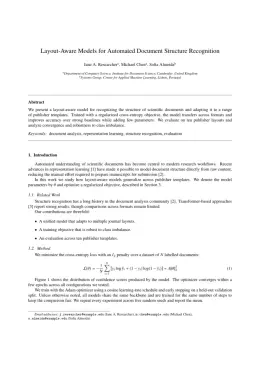
In DocuGuru you write your manuscript in a normal editor — no LaTeX setup required — and select the JACC Basic to Translational Science template. When you export, DocuGuru compiles the paper into the official Elsevier format and hands you a submission-ready PDF along with the editable LaTeX source.
What reference style does JACC Basic to Translational Science use?
JACC Basic to Translational Science uses Numbered (Elsevier) references, shown as numbered [1], [2] markers in the text. DocuGuru formats every in-text citation and the reference list in this exact style automatically. A reference appears like this: [1] A. Smith, B. Jones, C. Lee, A representative article title, JACC Basic to Translational Science 12 (2023) 45–58.
Do I need to know LaTeX to submit to JACC Basic to Translational Science?
No. DocuGuru generates the elsarticle LaTeX class and compiles the PDF for you in the background, so you get a Elsevier-ready JACC Basic to Translational Science document without writing any LaTeX. If you do want it, the LaTeX source is included in the export.
Can I import an existing draft into the JACC Basic to Translational Science template?
Yes. Paste or upload your current manuscript — Word, LaTeX, Markdown, or plain text — and DocuGuru reflows it into the JACC Basic to Translational Science format with correct headings, figures, tables, and numbered citations.
Who publishes JACC Basic to Translational Science?
JACC Basic to Translational Science is a multidisciplinary journal published by Elsevier. DocuGuru's JACC Basic to Translational Science template matches Elsevier's official submission format.
Can I export a submission-ready JACC Basic to Translational Science PDF?
Yes — DocuGuru produces a PDF built with the official JACC Basic to Translational Science template (the elsarticle class) that is ready to submit to Elsevier, together with the matching LaTeX source files.
How much does the JACC Basic to Translational Science template cost?
You can start writing in the JACC Basic to Translational Science template for free. Exporting the final submission-ready JACC Basic to Translational Science PDF and LaTeX source is part of DocuGuru's paid plans — see the app for current pricing.
Use the JACC Basic to Translational Science template