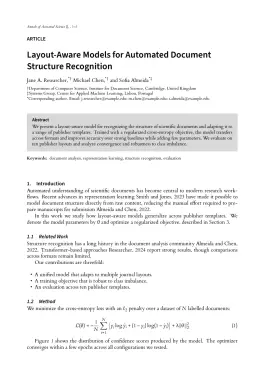
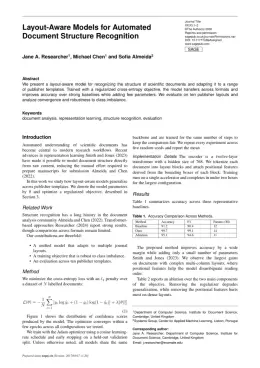
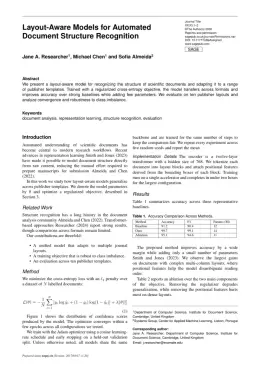
How do I write a paper in the Cambridge Prisms: Water format?
In DocuGuru you write your manuscript in a normal editor — no LaTeX setup required — and select the Cambridge Prisms: Water template. When you export, DocuGuru compiles the paper into the official Cambridge University Press format and hands you a submission-ready PDF along with the editable LaTeX source.
What reference style does Cambridge Prisms: Water use?
Cambridge Prisms: Water uses Numbered references, shown as numbered [1], [2] markers in the text. DocuGuru formats every in-text citation and the reference list in this exact style automatically. A reference appears like this: [1] A. Smith, B. Jones, and C. Lee, A representative article title, Cambridge Prisms: Water 12 (2023) 45–58.
Do I need to know LaTeX to submit to Cambridge Prisms: Water?
No. DocuGuru generates the null LaTeX class and compiles the PDF for you in the background, so you get a Cambridge University Press-ready Cambridge Prisms: Water document without writing any LaTeX. If you do want it, the LaTeX source is included in the export.
Can I import an existing draft into the Cambridge Prisms: Water template?
Yes. Paste or upload your current manuscript — Word, LaTeX, Markdown, or plain text — and DocuGuru reflows it into the Cambridge Prisms: Water format with correct headings, figures, tables, and numbered citations.
What is Cambridge Prisms: Water?
Cambridge Prisms: Water, a Cambridge University Press journal (cup-journal.cls, biber). It is a multidisciplinary journal, published by Cambridge University Press.
Can I export a submission-ready Cambridge Prisms: Water PDF?
Yes — DocuGuru produces a PDF built with the official Cambridge Prisms: Water template (the null class) that is ready to submit to Cambridge University Press, together with the matching LaTeX source files.
How much does the Cambridge Prisms: Water template cost?
You can start writing in the Cambridge Prisms: Water template for free. Exporting the final submission-ready Cambridge Prisms: Water PDF and LaTeX source is part of DocuGuru's paid plans — see the app for current pricing.