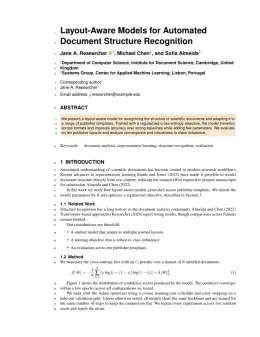
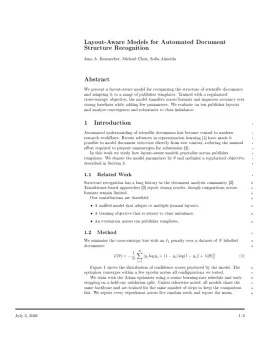
About the One Health Outlook format
One Health Outlook is a peer-reviewed journal published by BMC (BioMed Central), covering Zoonotic diseases and public health, Viral Infections and Outbreaks Research, Animal Disease Management and Epidemiology. Over its lifetime it has published 223 papers, which have received 3,477 citations.
| Publisher | BMC (BioMed Central) |
|---|
| Reference style | Numbered (Vancouver) Numbered — [1], [2] in the text
1. Smith A, Jones B, Lee C. A representative article title. One Health Outlook. 2023;12(3):45–58.
Formats any DOI in One Health Outlook style. No sign-up.
|
|---|
| Publishes research in | Zoonotic diseases and public health Viral Infections and Outbreaks Research Animal Disease Management and Epidemiology Pharmaceutical and Antibiotic Environmental Impacts Viral Infections and Vectors |
|---|
| ISSN | 2524-4655 |
|---|
| Citation impact (2-yr) | 3.7 |
|---|
| h-index | 29 |
|---|
| i10-index | 80 |
|---|
| Article processing charge | $1,300 |
|---|
| Open access | Yes — indexed in DOAJ |
|---|
| Top institutions publishing here | Sokoine University of Agriculture |
|---|
| Journal website | onehealthoutlook.biomedcentral.com |
|---|
| You get | A submission-ready PDF and the editable LaTeX source — ready to submit. |
|---|
Papers published in One Health Outlook per year
Citation impact of One Health Outlook by publication year
Citations each year’s papers have accumulated so far — the most recent years are still building up.
Most-cited papers in One Health Outlook
Plant health and its effects on food safety and security in a One Health framework: four case studies
David M. Rizzo, Maureen Y. Lichtveld, Jonna A. K. Mazet et al. · 30 Mar 2021
Abstract Although healthy plants are vital to human and animal health, plant health is often overlooked in the One Health literature. Plants provide over 80% of the food consumed by humans and are the primary source of nutrition for livestock. However, plant diseases and pests often threaten the availability and safety of plants for human…
Typing methods based on whole genome sequencing data
Laura Uelze, Josephine Grützke, Maria Borowiak et al. · 18 Feb 2020
Whole genome sequencing (WGS) of foodborne pathogens has become an effective method for investigating the information contained in the genome sequence of bacterial pathogens. In addition, its highly discriminative power enables the comparison of genetic relatedness between bacteria even on a sub-species level. For this reason, WGS is being implemented worldwide and across sectors (human,…
Implementing One Health approaches to confront emerging and re-emerging zoonotic disease threats: lessons from PREDICT
T. Ross Kelly, Catherine Machalaba, William B. Karesh et al. · 10 Jan 2020
Recurring outbreaks of emerging and re-emerging zoonoses, such as Ebola virus disease, avian influenza, and Nipah virus, serve as a reminder that the health of humans, animals, and the environment are interconnected and that early response to emerging zoonotic pathogens requires a coordinated, interdisciplinary, cross-sectoral approach. As our world becomes increasingly connected, emerging diseases pose…
Assessing the risks of SARS-CoV-2 in wildlife
Richard J. Delahay, José de la Fuente, Graham Smith et al. · 6 Apr 2021
The novel coronavirus SARS-CoV-2 likely emerged from a wildlife source with transmission to humans followed by rapid geographic spread throughout the globe and severe impacts on both human health and the global economy. Since the onset of the pandemic, there have been many instances of human-to-animal transmission involving companion, farmed and zoo animals, and limited…
The One Health High-Level Expert Panel (OHHLEP)
Thomas C. Mettenleiter, Wanda Markotter, Dominique Charron et al. · 7 Dec 2023