Taylor & Francis

Mycology&#58 An International Journal on Fungal Biology Template

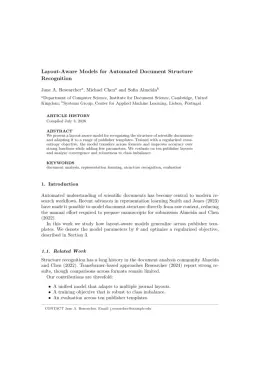
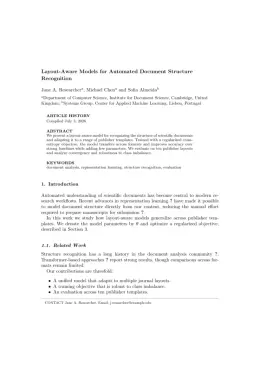
Write in a clean editor, then format for Mycology&#58 An International Journal on Fungal Biology in one click — DocuGuru applies the official Taylor & Francis template with author–year references and exports a submission-ready PDF plus the editable LaTeX source. Free to start.

About the Mycology&#58 An International Journal on Fungal Biology format

Mycology&#58 An International Journal on Fungal Biology is a peer-reviewed journal published by Taylor & Francis, covering Plant Pathogens and Fungal Diseases, Fungal Biology and Applications, Mycorrhizal Fungi and Plant Interactions.

PublisherTaylor & Francis
Reference styleAuthor–year (Chicago, T&F)
Author–year — (Smith, 2023) in the text
Smith, Ada, Ben Jones, and Cara Lee. 2023. "A Representative Article Title." Mycology&#58 An International Journal on Fungal Biology 12 (3): 45–58.

Formats any DOI in Mycology&#58 An International Journal on Fungal Biology style. No sign-up.

Publishes research inPlant Pathogens and Fungal Diseases Fungal Biology and Applications Mycorrhizal Fungi and Plant Interactions Microbial Natural Products and Biosynthesis Plant-Microbe Interactions and Immunity
ISSN2150-1203
Citation impact (2-yr)4.7
h-index52
i10-index292
Total citations12,074
Article processing charge$1,165
Open accessYes
Top institutions publishing hereChinese Academy of Sciences
Journal websitewww.tandfonline.com
You getA submission-ready PDF and the editable LaTeX source — ready to submit.

Papers published in Mycology&#58 An International Journal on Fungal Biology per year

26
2014
18
2015
28
2016
42
2017
37
2018
26
2019
28
2020
22
2021
20
2022
39
2023
62
2024
62
2025

Citation impact of Mycology&#58 An International Journal on Fungal Biology by publication year

826
2014
516
2015
461
2016
1K
2017
1.2K
2018
1.2K
2019
785
2020
854
2021
290
2022
557
2023
538
2024
178
2025

Citations each year’s papers have accumulated so far — the most recent years are still building up.

Most-cited papers in Mycology&#58 An International Journal on Fungal Biology

Current insights into fungal species diversity and perspective on naming the environmental DNA sequences of fungi

Bing Wu, Muzammil Hussain, Weiwei Zhang et al. · 7 May 2019

The global bio-diversity of fungi has been extensively investigated and their species number has been estimated. Notably, the development of molecular phylogeny has revealed an unexpected fungal diversity and utilisation of culture-independent approaches including high-throughput amplicon sequencing has dramatically increased number of fungal operational taxonomic units. A number of novel taxa including new divisions, classes,…

Endophytic fungi: a tool for plant growth promotion and sustainable agriculture

Noemi Carla Baron, Everlon Cid Rigobelo · 29 Jun 2021

Endophytic fungi are found in most, if not all, plant species on the planet. They colonise inner plant tissues without causing symptoms of disease, thus providing benefits to the host plant while also benefiting from this interaction. The global concern for the development of more sustainable agriculture has increased in recent years, and research has…

Fueling the future with fungal genomics

Igor V. Grigoriev, Daniel Cullen, Stephen B. Goodwin et al. · 25 Jul 2011

Fungi play important roles across the range of current and future biofuel production processes. From crop/feedstock health to plant biomass saccharification, enzyme production to bioprocesses for producing ethanol, higher alcohols, or future hydrocarbon biofuels, fungi are involved. Research and development are underway to understand the underlying biological processes and improve them to make bioenergy production…

Chitin and chitin-related compounds in plant–fungal interactions

Tünde Pusztahelyi · 15 May 2018

Chitin is the second abundant polysaccharide in the world after cellulose. It is a vital structural component of the fungal cell wall but not for plants. In plants, fungi are recognised through the perception of conserved microbe-associated molecular patterns (MAMPs) to induce MAMP-triggered immunity (MTI). Chitin polymers and their modified form, chitosan, induce host defence…

Endophytic fungal diversity: review of traditional and molecular techniques

Xiang Sun, Liang‐Dong Guo · 21 Feb 2012

Endophytic fungi are an important component, are ubiquitous and occur within all know plants, including a broad range of hosts in various ecosystems, and therefore play an important role in the natural environment. More than 1 million species of endophytic fungi are estimated to exist based on a ratio of vascular plants to fungal species…

Mycology&#58 An International Journal on Fungal Biology template — frequently asked questions

How do I write a paper in the Mycology&#58 An International Journal on Fungal Biology format?
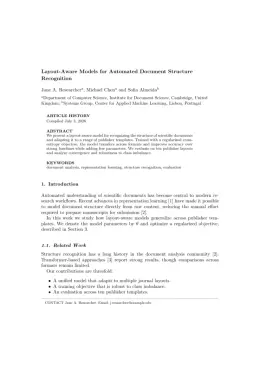
In DocuGuru you write your manuscript in a normal editor — no LaTeX setup required — and select the Mycology&#58 An International Journal on Fungal Biology template. When you export, DocuGuru compiles the paper into the official Taylor & Francis format and hands you a submission-ready PDF along with the editable LaTeX source.
What reference style does Mycology&#58 An International Journal on Fungal Biology use?
Mycology&#58 An International Journal on Fungal Biology uses Author–year (Chicago, T&F) references, shown as author–year markers such as (Smith, 2023) in the text. DocuGuru formats every in-text citation and the reference list in this exact style automatically. A reference appears like this: Smith, Ada, Ben Jones, and Cara Lee. 2023. "A Representative Article Title." Mycology&#58 An International Journal on Fungal Biology 12 (3): 45–58.
Do I need to know LaTeX to submit to Mycology&#58 An International Journal on Fungal Biology?
No. DocuGuru generates the interact LaTeX class and compiles the PDF for you in the background, so you get a Taylor & Francis-ready Mycology&#58 An International Journal on Fungal Biology document without writing any LaTeX. If you do want it, the LaTeX source is included in the export.
Can I import an existing draft into the Mycology&#58 An International Journal on Fungal Biology template?
Yes. Paste or upload your current manuscript — Word, LaTeX, Markdown, or plain text — and DocuGuru reflows it into the Mycology&#58 An International Journal on Fungal Biology format with correct headings, figures, tables, and author–year citations.
Who publishes Mycology&#58 An International Journal on Fungal Biology?
Mycology&#58 An International Journal on Fungal Biology is a multidisciplinary journal published by Taylor & Francis. DocuGuru's Mycology&#58 An International Journal on Fungal Biology template matches Taylor & Francis's official submission format.
Can I export a submission-ready Mycology&#58 An International Journal on Fungal Biology PDF?
Yes — DocuGuru produces a PDF built with the official Mycology&#58 An International Journal on Fungal Biology template (the interact class) that is ready to submit to Taylor & Francis, together with the matching LaTeX source files.
How much does the Mycology&#58 An International Journal on Fungal Biology template cost?
You can start writing in the Mycology&#58 An International Journal on Fungal Biology template for free. Exporting the final submission-ready Mycology&#58 An International Journal on Fungal Biology PDF and LaTeX source is part of DocuGuru's paid plans — see the app for current pricing.
Use the Mycology&#58 An International Journal on Fungal Biology template