
190 citations
Cite
SaveGo to paper →
Springer Nature
Theoretical and Experimental Plant Physiology Template
Write in a clean editor, then format for Theoretical and Experimental Plant Physiology in one click — DocuGuru applies the official Springer Nature template with numbered references and exports a submission-ready PDF plus the editable LaTeX source. Free to start.
About the Theoretical and Experimental Plant Physiology format
Theoretical and Experimental Plant Physiology is a peer-reviewed journal published by Springer Nature, covering Plant Stress Responses and Tolerance, Plant Water Relations and Carbon Dynamics, Photosynthetic Processes and Mechanisms.
| Publisher | Springer Nature |
|---|---|
| Reference style | Numbered (Springer Basic) Numbered — [1], [2] in the text 1. Smith A, Jones B, Lee C (2023) A representative article title. Theoretical and Experimental Plant Physiology 12:45–58
Formats any DOI in Theoretical and Experimental Plant Physiology style. No sign-up. |
| Publishes research in | Plant Stress Responses and Tolerance Plant Water Relations and Carbon Dynamics Photosynthetic Processes and Mechanisms Plant Molecular Biology Research Growth and nutrition in plants |
| ISSN | 2197-0025 |
| Citation impact (2-yr) | 3.19 |
| h-index | 38 |
| i10-index | 186 |
| Total citations | 6,337 |
| Article processing charge | $3,590 |
| Top institutions publishing here | Universidade Estadual de Campinas (UNICAMP) |
| Journal website | link.springer.com |
| You get | A submission-ready PDF and the editable LaTeX source — ready to submit. |
Papers published in Theoretical and Experimental Plant Physiology per year
Citation impact of Theoretical and Experimental Plant Physiology by publication year
Citations each year’s papers have accumulated so far — the most recent years are still building up.
Most-cited papers in Theoretical and Experimental Plant Physiology
152 citations
Cite
SaveGo to paper →
124 citations
Cite
SaveGo to paper →
Since the beginning of Human civilization, the soil organic matter has been used as plant growth promoter and/or regulator. Indeed, early in plant science history, even before the auxin concept has been established, the term "auximones" was coined to describe plant growth promoting humic acids derived from peat. Despite of this, until the end of…
107 citations
Cite
SaveGo to paper →
Electrical impedance spectroscopy (EIS) is a useful tool for the investigation of the structural characteristics of solid materials and also biological tissues. The structural changes in plant or animal tissues reflect the physiological state of the organism. Electrical impedance measurement seems to be applicable both for analytical and research laboratories, since once a stress or…
107 citations
Cite
SaveGo to paper →
Related journal templates
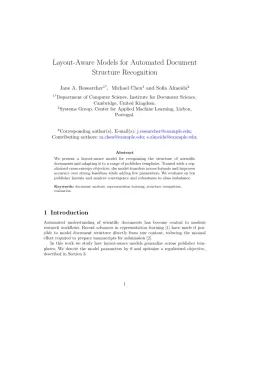
Theoretical and Experimental Plant Physiology template — frequently asked questions
How do I write a paper in the Theoretical and Experimental Plant Physiology format?
In DocuGuru you write your manuscript in a normal editor — no LaTeX setup required — and select the Theoretical and Experimental Plant Physiology template. When you export, DocuGuru compiles the paper into the official Springer Nature format and hands you a submission-ready PDF along with the editable LaTeX source.
What reference style does Theoretical and Experimental Plant Physiology use?
Theoretical and Experimental Plant Physiology uses Numbered (Springer Basic) references, shown as numbered [1], [2] markers in the text. DocuGuru formats every in-text citation and the reference list in this exact style automatically. A reference appears like this: 1. Smith A, Jones B, Lee C (2023) A representative article title. Theoretical and Experimental Plant Physiology 12:45–58
Do I need to know LaTeX to submit to Theoretical and Experimental Plant Physiology?
No. DocuGuru generates the sn-jnl LaTeX class and compiles the PDF for you in the background, so you get a Springer Nature-ready Theoretical and Experimental Plant Physiology document without writing any LaTeX. If you do want it, the LaTeX source is included in the export.
Can I import an existing draft into the Theoretical and Experimental Plant Physiology template?
Yes. Paste or upload your current manuscript — Word, LaTeX, Markdown, or plain text — and DocuGuru reflows it into the Theoretical and Experimental Plant Physiology format with correct headings, figures, tables, and numbered citations.
Who publishes Theoretical and Experimental Plant Physiology?
Theoretical and Experimental Plant Physiology is a multidisciplinary journal published by Springer Nature. DocuGuru's Theoretical and Experimental Plant Physiology template matches Springer Nature's official submission format.
Can I export a submission-ready Theoretical and Experimental Plant Physiology PDF?
Yes — DocuGuru produces a PDF built with the official Theoretical and Experimental Plant Physiology template (the sn-jnl class) that is ready to submit to Springer Nature, together with the matching LaTeX source files.
How much does the Theoretical and Experimental Plant Physiology template cost?
You can start writing in the Theoretical and Experimental Plant Physiology template for free. Exporting the final submission-ready Theoretical and Experimental Plant Physiology PDF and LaTeX source is part of DocuGuru's paid plans — see the app for current pricing.