About the npj Antimicrobials and Resistance format
npj Antimicrobials and Resistance is a peer-reviewed journal published by Springer Nature, covering Antibiotic Resistance in Bacteria, Antibiotic Use and Resistance, Pharmaceutical and Antibiotic Environmental Impacts. Over its lifetime it has published 236 papers, which have received 3,125 citations.
| Publisher | Springer Nature |
|---|
| Reference style | Superscript numbered (Nature) Superscript — small raised numerals in the text
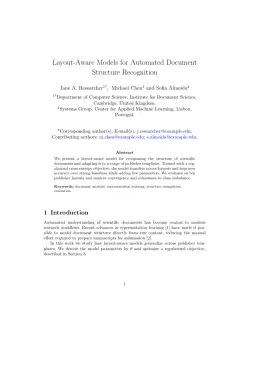
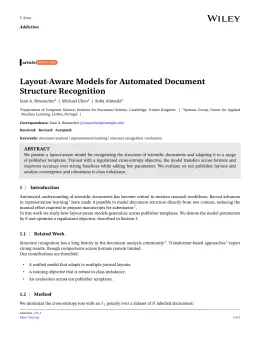
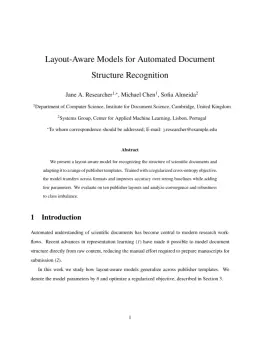
1. Smith, A., Jones, B. & Lee, C. A representative article title. npj Antimicrobials and Resistance 12, 45–58 (2023).
Formats any DOI in npj Antimicrobials and Resistance style. No sign-up.
|
|---|
| Publishes research in | Antibiotic Resistance in Bacteria Antibiotic Use and Resistance Pharmaceutical and Antibiotic Environmental Impacts Bacterial Genetics and Biotechnology Antimicrobial Resistance in Staphylococcus |
|---|
| ISSN | 2731-8745 |
|---|
| Citation impact (2-yr) | 11.02 |
|---|
| h-index | 24 |
|---|
| i10-index | 67 |
|---|
| Open access | Yes — indexed in DOAJ |
|---|
| Top institutions publishing here | University of Oxford |
|---|
| You get | A submission-ready PDF and the editable LaTeX source — ready to submit. |
|---|
Papers published in npj Antimicrobials and Resistance per year
Citation impact of npj Antimicrobials and Resistance by publication year
Citations each year’s papers have accumulated so far — the most recent years are still building up.
Most-cited papers in npj Antimicrobials and Resistance
Mechanisms of antimicrobial resistance in biofilms
H. Liu, Emma L. Prentice, Mark Webber · 1 Oct 2024
Most bacteria in nature exist in aggregated communities known as biofilms, and cells within a biofilm demonstrate major physiological changes compared to their planktonic counterparts. Biofilms are associated with many different types of infections which can have severe impacts on patients. Infections involving a biofilm component are often chronic and highly recalcitrant to antibiotic therapy…
Molecular mechanisms governing antifungal drug resistance
Yunjin Lee, Nicole Robbins, Leah E. Cowen · 17 Jul 2023
Abstract Fungal pathogens are a severe public health problem. The leading causative agents of systemic fungal infections include species from the Candida , Cryptococcus , and Aspergillus genera. As opportunistic pathogens, these fungi are generally harmless in healthy hosts; however, they can cause significant morbidity and mortality in immunocompromised patients. Despite the profound impact of…
Co-selection for antibiotic resistance by environmental contaminants
Laura Murray, April Hayes, Jason Snape et al. · 1 Apr 2024
The environment is increasingly recognised as a hotspot for the selection and dissemination of antibiotic resistant bacteria and antibiotic resistance genes. These can be selected for by antibiotics and non-antibiotic agents (such as metals and biocides), with the evidence to support this well established by observational and experimental studies. However, there is emerging evidence to…
Tackling the outer membrane: facilitating compound entry into Gram-negative bacterial pathogens
Deepanshi Saxena, Rahul Maitra, Rakhi Bormon et al. · 20 Dec 2023
Emerging resistance to all available antibiotics highlights the need to develop new antibiotics with novel mechanisms of action. Most of the currently used antibiotics target Gram-positive bacteria while Gram-negative bacteria easily bypass the action of most drug molecules because of their unique outer membrane. This additional layer acts as a potent barrier restricting the entry…
Antibiotic susceptibility testing using minimum inhibitory concentration (MIC) assays
Nikol Kadeřábková, Ayesha J. S. Mahmood, Despoina A. I. Mavridou · 7 Nov 2024
Antimicrobial resistance is due to genetic changes that allow bacteria to evade antibiotic treatment. Antimicrobial susceptibility testing is critical for the detection of antibiotic-resistant strains, the selection of effective therapeutic strategies against bacterial infections, and the evaluation of the efficacy of novel antimicrobials. Among the variety of clinical microbiology methods used for antibiotic susceptibility testing,…