
376 citations
Cite
SaveGo to paper →
Springer Nature
Journal of Bioethical Inquiry Template
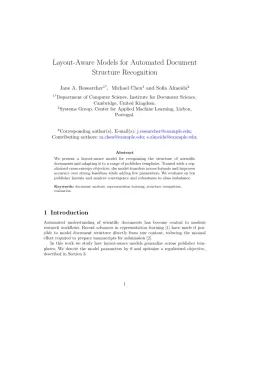
Write in a clean editor, then format for Journal of Bioethical Inquiry in one click — DocuGuru applies the official Springer Nature template with superscript references and exports a submission-ready PDF plus the editable LaTeX source. Free to start.
About the Journal of Bioethical Inquiry format
Journal of Bioethical Inquiry is a peer-reviewed journal published by Springer Nature, covering Ethics in medical practice, Ethics and Legal Issues in Pediatric Healthcare, Ethics in Clinical Research.
| Publisher | Springer Nature |
|---|---|
| Reference style | Superscript numbered (Nature) Superscript — small raised numerals in the text 1. Smith, A., Jones, B. & Lee, C. A representative article title. Journal of Bioethical Inquiry 12, 45–58 (2023).
Formats any DOI in Journal of Bioethical Inquiry style. No sign-up. |
| Publishes research in | Ethics in medical practice Ethics and Legal Issues in Pediatric Healthcare Ethics in Clinical Research Palliative Care and End-of-Life Issues Reproductive Health and Technologies |
| ISSN | 1176-7529 |
| Citation impact (2-yr) | 1.75 |
| h-index | 58 |
| i10-index | 448 |
| Total citations | 17,688 |
| Article processing charge | $4,090 |
| Top institutions publishing here | The University of Sydney |
| Journal website | link.springer.com |
| You get | A submission-ready PDF and the editable LaTeX source — ready to submit. |
Papers published in Journal of Bioethical Inquiry per year
Citation impact of Journal of Bioethical Inquiry by publication year
Citations each year’s papers have accumulated so far — the most recent years are still building up.
Most-cited papers in Journal of Bioethical Inquiry
Addictions are commonly accompanied by a sense of shame or self-stigmatization. Self-stigmatization results from public stigmatization in a process leading to the internalization of the social opprobrium attaching to the negative stereotypes associated with addiction. We offer an account of how this process works in terms of a range of looping effects, and this leads…
266 citations
Cite
SaveGo to paper →
203 citations
Cite
SaveGo to paper →
201 citations
Cite
SaveGo to paper →
The COVID-19 pandemic is a man-made disaster, caused by undue interference in the ecological balance and the lives of multiple species. Paradoxically, the contagion has resulted in increased use of technology and digital mediation, as well as enhanced hopes for vaccines and biomedical solutions. It has thereby intensified humans' reliance on the very high-tech economy…
186 citations
Cite
SaveGo to paper →
Related journal templates
Journal of Bioethical Inquiry template — frequently asked questions
How do I write a paper in the Journal of Bioethical Inquiry format?
In DocuGuru you write your manuscript in a normal editor — no LaTeX setup required — and select the Journal of Bioethical Inquiry template. When you export, DocuGuru compiles the paper into the official Springer Nature format and hands you a submission-ready PDF along with the editable LaTeX source.
What reference style does Journal of Bioethical Inquiry use?
Journal of Bioethical Inquiry uses Superscript numbered (Nature) references, shown as superscript numerals in the text. DocuGuru formats every in-text citation and the reference list in this exact style automatically. A reference appears like this: 1. Smith, A., Jones, B. & Lee, C. A representative article title. Journal of Bioethical Inquiry 12, 45–58 (2023).
Do I need to know LaTeX to submit to Journal of Bioethical Inquiry?
No. DocuGuru generates the sn-jnl LaTeX class and compiles the PDF for you in the background, so you get a Springer Nature-ready Journal of Bioethical Inquiry document without writing any LaTeX. If you do want it, the LaTeX source is included in the export.
Can I import an existing draft into the Journal of Bioethical Inquiry template?
Yes. Paste or upload your current manuscript — Word, LaTeX, Markdown, or plain text — and DocuGuru reflows it into the Journal of Bioethical Inquiry format with correct headings, figures, tables, and superscript citations.
Who publishes Journal of Bioethical Inquiry?
Journal of Bioethical Inquiry is a multidisciplinary journal published by Springer Nature. DocuGuru's Journal of Bioethical Inquiry template matches Springer Nature's official submission format.
Can I export a submission-ready Journal of Bioethical Inquiry PDF?
Yes — DocuGuru produces a PDF built with the official Journal of Bioethical Inquiry template (the sn-jnl class) that is ready to submit to Springer Nature, together with the matching LaTeX source files.
How much does the Journal of Bioethical Inquiry template cost?
You can start writing in the Journal of Bioethical Inquiry template for free. Exporting the final submission-ready Journal of Bioethical Inquiry PDF and LaTeX source is part of DocuGuru's paid plans — see the app for current pricing.