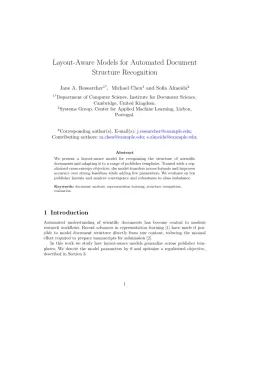
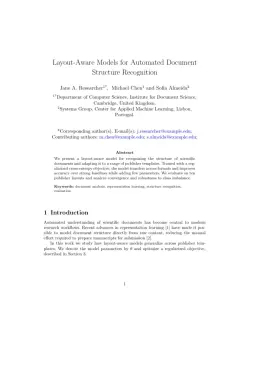
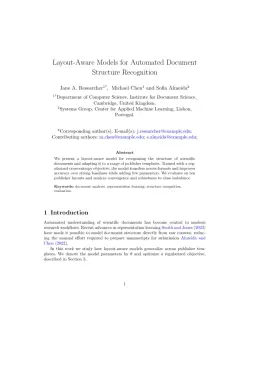
About the BMC Obesity format
BMC Obesity is a peer-reviewed journal published by Springer Nature, covering Obesity, Physical Activity, Diet, Obesity and Health Practices, Bariatric Surgery and Outcomes.
| Publisher | Springer Nature |
|---|
| Reference style | Superscript numbered (Nature) Superscript — small raised numerals in the text
1. Smith, A., Jones, B. & Lee, C. A representative article title. BMC Obesity 12, 45–58 (2023).
Formats any DOI in BMC Obesity style. No sign-up.
|
|---|
| Publishes research in | Obesity, Physical Activity, Diet Obesity and Health Practices Bariatric Surgery and Outcomes Diabetes, Cardiovascular Risks, and Lipoproteins Child Nutrition and Water Access |
|---|
| ISSN | 2052-9538 |
|---|
| h-index | 40 |
|---|
| i10-index | 188 |
|---|
| Total citations | 6,710 |
|---|
| Top institutions publishing here | Deakin University |
|---|
| Journal website | link.springer.com |
|---|
| You get | A submission-ready PDF and the editable LaTeX source — ready to submit. |
|---|
Papers published in BMC Obesity per year
Citation impact of BMC Obesity by publication year
Citations each year’s papers have accumulated so far — the most recent years are still building up.
Most-cited papers in BMC Obesity
The negative impact of sugar-sweetened beverages on children’s health: an update of the literature
Sara N. Bleich, Kelsey A. Vercammen · 5 Feb 2018
While sugar sweetened beverage (SSB) consumption has declined in the last 15 years, consumption of SSBs is still high among children and adolescents. This research synthesis updates a prior review on this topic and examines the evidence regarding the various health impacts of SSBs on children's health (overweight/obesity, insulin resistance, dental caries, and caffeine-related effects).…
Obesity trends and risk factors in the South African adult population
Annibale Cois, Candy Day · 13 Oct 2015
BACKGROUND: Obesity prevalence is increasing globally and contributes substantially to the burgeoning burden of non-communicable diseases. South Africa is particularly affected by this increasing trend and cross-sectional evidence suggests socioeconomic and behavioural variables as possible drivers. However, no large scale longitudinal study has attempted the direct identification of risk factors for progression towards obesity. METHODS:…
Altered NK cell function in obese healthy humans
Tobias Laue, Christiane D. Wrann, Birgit Hoffmann-Castendiek et al. · 23 Jan 2015
BACKGROUND: Obesity is associated with an elevated risk for several types of cancer and thus a major health hazard. However, the mechanism between overweight and cancer susceptibility is still elusive. Leptin, mainly produced by adipocytes links food intake and energy expenditure. In addition, recent studies have shown an immunomodulatory impact of leptin on NK cells.…
Mothers’ and fathers’ media parenting practices associated with young children’s screen-time: a cross-sectional study
on behalf of the Guelph Family Health Study, Lisa Tang, Gerarda Darlington et al. · 28 Sep 2018
BACKGROUND: A major contributor to the growing obesity crisis is screen based sedentary behaviour among young children. Media parenting practices may be an important determinant of children's screen time, however published research exploring the influence of parenting practices on children's screen time has mainly focused on children's television use and the parenting practices of the…
Body mass index and measures of body fat for defining obesity and underweight: a cross-sectional, population-based study
Julie A. Pasco, Kara L. Holloway‐Kew, Amelia G. Dobbins et al. · 23 Jun 2014
BACKGROUND: The body mass index (BMI) is commonly used as a surrogate marker for adiposity. However, the BMI indicates weight-for-height without considering differences in body composition and the contribution of body fat to overall body weight. The aim of this cross-sectional study was to identify sex-and-age-specific values for percentage body fat (%BF), measured using whole…