Springer Nature

BMC Molecular Biology Template

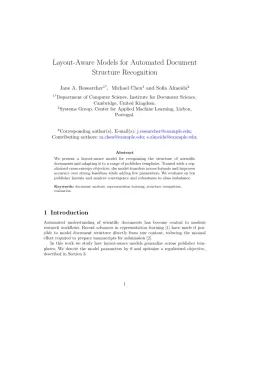
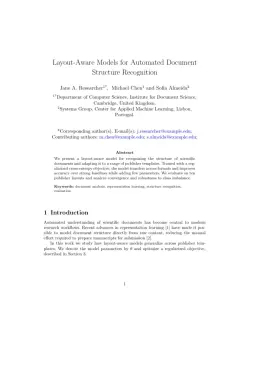
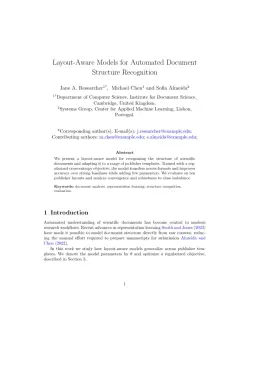
Write in a clean editor, then format for BMC Molecular Biology in one click — DocuGuru applies the official Springer Nature template with superscript references and exports a submission-ready PDF plus the editable LaTeX source. Free to start.

About the BMC Molecular Biology format

BMC Molecular Biology is a peer-reviewed journal published by Springer Nature, covering Molecular Biology Techniques and Applications, DNA Repair Mechanisms, RNA Research and Splicing.

PublisherSpringer Nature
Reference styleSuperscript numbered (Nature)
Superscript — small raised numerals in the text
1. Smith, A., Jones, B. & Lee, C. A representative article title. BMC Molecular Biology 12, 45–58 (2023).

Formats any DOI in BMC Molecular Biology style. No sign-up.

Publishes research inMolecular Biology Techniques and Applications DNA Repair Mechanisms RNA Research and Splicing Genomics and Chromatin Dynamics Gene expression and cancer classification
ISSN1471-2199
h-index99
i10-index721
Total citations45,986
Top institutions publishing hereCentre National de la Recherche Scientifique
Journal websitebmcmolcellbiol.biomedcentral.com
You getA submission-ready PDF and the editable LaTeX source — ready to submit.

Papers published in BMC Molecular Biology per year

111
2008
114
2009
105
2010
54
2011
35
2012
29
2013
29
2014
24
2015
24
2016
24
2017
15
2018
24
2019

Citation impact of BMC Molecular Biology by publication year

7.5K
2008
8K
2009
5.4K
2010
1.7K
2011
948
2012
824
2013
537
2014
729
2015
716
2016
552
2017
216
2018
703
2019

Citations each year’s papers have accumulated so far — the most recent years are still building up.

Most-cited papers in BMC Molecular Biology

The RIN: an RNA integrity number for assigning integrity values to RNA measurements

Andreas Schröeder, Odilo Mueller, Susanne Stocker et al. · 31 Jan 2006

BACKGROUND: The integrity of RNA molecules is of paramount importance for experiments that try to reflect the snapshot of gene expression at the moment of RNA extraction. Until recently, there has been no reliable standard for estimating the integrity of RNA samples and the ratio of 28S:18S ribosomal RNA, the common measure for this purpose,…

2,692 citations Cite SaveGo to paper →
Selection of housekeeping genes for gene expression studies in human reticulocytes using real-time PCR

Nicholas Silver, Steve Best, Jie Jiang et al. · 6 Oct 2006

BACKGROUND: Control genes, which are often referred to as housekeeping genes, are frequently used to normalise mRNA levels between different samples. However, the expression level of these genes may vary among tissues or cells and may change under certain circumstances. Thus, the selection of housekeeping genes is critical for gene expression studies. To address this…

1,749 citations Cite SaveGo to paper →
Identification and validation of reference genes for quantitative RT-PCR normalization in wheat

Anna Rita Paolacci, O. A. Tanzarella, E. Porceddu et al. · 20 Feb 2009

BACKGROUND: Usually the reference genes used in gene expression analysis have been chosen for their known or suspected housekeeping roles, however the variation observed in most of them hinders their effective use. The assessed lack of validated reference genes emphasizes the importance of a systematic study for their identification. For selecting candidate reference genes we…

Characterization of housekeeping genes in zebrafish: male-female differences and effects of tissue type, developmental stage and chemical treatment

Amy McCurley, Gloria V. Callard · 1 Jan 2008

BACKGROUND: Research using the zebrafish model has experienced a rapid growth in recent years. Although real-time reverse transcription PCR (QPCR), normalized to an internal reference ("housekeeping") gene, is a frequently used method for quantifying gene expression changes in zebrafish, many commonly used housekeeping genes are known to vary with experimental conditions. To identify housekeeping genes…

BMC Molecular Biology template — frequently asked questions

How do I write a paper in the BMC Molecular Biology format?
In DocuGuru you write your manuscript in a normal editor — no LaTeX setup required — and select the BMC Molecular Biology template. When you export, DocuGuru compiles the paper into the official Springer Nature format and hands you a submission-ready PDF along with the editable LaTeX source.
What reference style does BMC Molecular Biology use?
BMC Molecular Biology uses Superscript numbered (Nature) references, shown as superscript numerals in the text. DocuGuru formats every in-text citation and the reference list in this exact style automatically. A reference appears like this: 1. Smith, A., Jones, B. & Lee, C. A representative article title. BMC Molecular Biology 12, 45–58 (2023).
Do I need to know LaTeX to submit to BMC Molecular Biology?
No. DocuGuru generates the sn-jnl LaTeX class and compiles the PDF for you in the background, so you get a Springer Nature-ready BMC Molecular Biology document without writing any LaTeX. If you do want it, the LaTeX source is included in the export.
Can I import an existing draft into the BMC Molecular Biology template?
Yes. Paste or upload your current manuscript — Word, LaTeX, Markdown, or plain text — and DocuGuru reflows it into the BMC Molecular Biology format with correct headings, figures, tables, and superscript citations.
Who publishes BMC Molecular Biology?
BMC Molecular Biology is a multidisciplinary journal published by Springer Nature. DocuGuru's BMC Molecular Biology template matches Springer Nature's official submission format.
Can I export a submission-ready BMC Molecular Biology PDF?
Yes — DocuGuru produces a PDF built with the official BMC Molecular Biology template (the sn-jnl class) that is ready to submit to Springer Nature, together with the matching LaTeX source files.
How much does the BMC Molecular Biology template cost?
You can start writing in the BMC Molecular Biology template for free. Exporting the final submission-ready BMC Molecular Biology PDF and LaTeX source is part of DocuGuru's paid plans — see the app for current pricing.

Use the BMC Molecular Biology template