Springer Nature

Applied cancer research/Applied Cancer Research Template

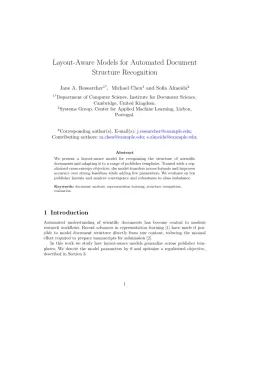
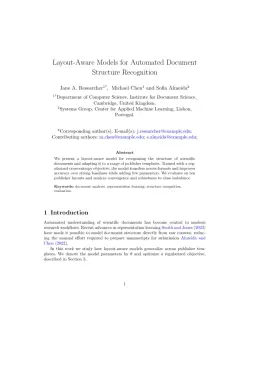
Write in a clean editor, then format for Applied cancer research/Applied Cancer Research in one click — DocuGuru applies the official Springer Nature template with superscript references and exports a submission-ready PDF plus the editable LaTeX source. Free to start.

About the Applied cancer research/Applied Cancer Research format

Applied cancer research/Applied Cancer Research is a peer-reviewed journal published by Springer Nature, covering Cancer Genomics and Diagnostics, Cancer-related Molecular Pathways, Gastric Cancer Management and Outcomes.

PublisherSpringer Nature
Reference styleSuperscript numbered (Nature)
Superscript — small raised numerals in the text
1. Smith, A., Jones, B. & Lee, C. A representative article title. Applied cancer research/Applied Cancer Research 12, 45–58 (2023).

Formats any DOI in Applied cancer research/Applied Cancer Research style. No sign-up.

Publishes research inCancer Genomics and Diagnostics Cancer-related Molecular Pathways Gastric Cancer Management and Outcomes RNA modifications and cancer Epigenetics and DNA Methylation
ISSN1808-5512
h-index15
i10-index26
Total citations804
Top institutions publishing hereAC Camargo Hospital
You getA submission-ready PDF and the editable LaTeX source — ready to submit.

Papers published in Applied cancer research/Applied Cancer Research per year

3
2005
9
2007
1
2008
1
2009
4
2010
1
2011
2
2012
6
2016
45
2017
19
2018
14
2019
10
2020

Citation impact of Applied cancer research/Applied Cancer Research by publication year

4
2005
0
2007
1
2008
3
2009
10
2010
2
2011
6
2012
21
2016
425
2017
146
2018
96
2019
86
2020

Citations each year’s papers have accumulated so far — the most recent years are still building up.

Most-cited papers in Applied cancer research/Applied Cancer Research

Utilization of the oncoscan microarray assay in cancer diagnostics

Hou-Sung Jung, Joel A. Lefferts, Gregory J. Tsongalis · 6 Jan 2017

Current strategies for cancer patient management include the use of genomic and proteomic test results to help guide therapeutic selection. The need for multi-target variant analysis is highlighted by the growing number of novel therapies to treat tumors with specific profiles and the increasing recognition that cancer is an extremely heterogeneous syndrome. Microarray analysis is…

Distant metastases in phyllodes tumours of the breast: an overview

Valerie Cui Yun Koh, Aye Aye Thike, Puay Hoon Tan · 12 May 2017

Phyllodes tumours (PTs) of the breast are uncommon fibroepithelial neoplasms, comprising 0.3 – 1.0% of all primary breast malignancies in Western countries, but accounting for a higher proportion of primary breast tumours in Asian countries. They are graded as benign, borderline or malignant based on the World Health Organisation (WHO) classification, according to a constellation…

Clinical features and preventive therapies of radiation-induced xerostomia in head and neck cancer patient: a literature review

Graziella Chagas Jaguar, José Divaldo Prado, Daniel Campanhã et al. · 24 Jul 2017

Xerostomia or dry mouth is one of the most common and disturbing adverse effects following radiotherapy for head and neck cancer (HNC). This complication strongly increases the risk for dental caries, difficulties with chewing, swallowing and sleep disorders with significant impact on patients’ quality of life. Current treatment approaches of xerostomia are often difficult and…

Language as a barrier to cancer clinical trial accrual: assessing consenting team knowledge and practices for cancer clinical trial consent among low English fluency patients

Jeanine N. Staples, Jenny Lester, Andrew Li et al. · 16 Oct 2018

Low English fluency in large culturally diverse institutions may contribute to meager minority accrual. Our objective was to: 1) Assess knowledge of proper consenting procedures among the research team when consenting a low English fluency patient. 2) Assess the enrollment rate of participants in cancer therapeutic trials who identify a preferred language other than English.…

Applied cancer research/Applied Cancer Research template — frequently asked questions

How do I write a paper in the Applied cancer research/Applied Cancer Research format?
In DocuGuru you write your manuscript in a normal editor — no LaTeX setup required — and select the Applied cancer research/Applied Cancer Research template. When you export, DocuGuru compiles the paper into the official Springer Nature format and hands you a submission-ready PDF along with the editable LaTeX source.
What reference style does Applied cancer research/Applied Cancer Research use?
Applied cancer research/Applied Cancer Research uses Superscript numbered (Nature) references, shown as superscript numerals in the text. DocuGuru formats every in-text citation and the reference list in this exact style automatically. A reference appears like this: 1. Smith, A., Jones, B. & Lee, C. A representative article title. Applied cancer research/Applied Cancer Research 12, 45–58 (2023).
Do I need to know LaTeX to submit to Applied cancer research/Applied Cancer Research?
No. DocuGuru generates the sn-jnl LaTeX class and compiles the PDF for you in the background, so you get a Springer Nature-ready Applied cancer research/Applied Cancer Research document without writing any LaTeX. If you do want it, the LaTeX source is included in the export.
Can I import an existing draft into the Applied cancer research/Applied Cancer Research template?
Yes. Paste or upload your current manuscript — Word, LaTeX, Markdown, or plain text — and DocuGuru reflows it into the Applied cancer research/Applied Cancer Research format with correct headings, figures, tables, and superscript citations.
Who publishes Applied cancer research/Applied Cancer Research?
Applied cancer research/Applied Cancer Research is a multidisciplinary journal published by Springer Nature. DocuGuru's Applied cancer research/Applied Cancer Research template matches Springer Nature's official submission format.
Can I export a submission-ready Applied cancer research/Applied Cancer Research PDF?
Yes — DocuGuru produces a PDF built with the official Applied cancer research/Applied Cancer Research template (the sn-jnl class) that is ready to submit to Springer Nature, together with the matching LaTeX source files.
How much does the Applied cancer research/Applied Cancer Research template cost?
You can start writing in the Applied cancer research/Applied Cancer Research template for free. Exporting the final submission-ready Applied cancer research/Applied Cancer Research PDF and LaTeX source is part of DocuGuru's paid plans — see the app for current pricing.

Use the Applied cancer research/Applied Cancer Research template