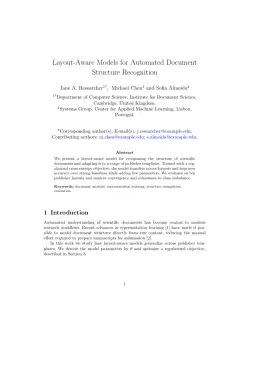
About the Trauma Care format
Trauma Care is a peer-reviewed journal published by MDPI, covering Trauma and Emergency Care Studies, Migration, Health and Trauma, Posttraumatic Stress Disorder Research. Over its lifetime it has published 167 papers, which have received 646 citations.
| Publisher | MDPI |
|---|
| Reference style | Numbered (MDPI) Numbered — [1], [2] in the text
1. Smith, A.; Jones, B.; Lee, C. A Representative Article Title. Trauma Care 2023, 12, 45–58.
Formats any DOI in Trauma Care style. No sign-up.
|
|---|
| Publishes research in | Trauma and Emergency Care Studies Migration, Health and Trauma Posttraumatic Stress Disorder Research Traumatic Brain Injury Research Traumatic Brain Injury and Neurovascular Disturbances |
|---|
| ISSN | 2673-866X |
|---|
| Citation impact (2-yr) | 1.28 |
|---|
| h-index | 13 |
|---|
| i10-index | 16 |
|---|
| Article processing charge | $1,082 |
|---|
| Open access | Yes — indexed in DOAJ |
|---|
| Top institutions publishing here | University of the Witwatersrand |
|---|
| Journal website | www.mdpi.com |
|---|
| You get | A submission-ready PDF and the editable LaTeX source — ready to submit. |
|---|
Papers published in Trauma Care per year
Citation impact of Trauma Care by publication year
Citations each year’s papers have accumulated so far — the most recent years are still building up.
Most-cited papers in Trauma Care
The Trauma of Perinatal Loss: A Scoping Review
Shandeigh N. Berry · 13 Jul 2022
Perinatal loss, the loss of a fetus or neonate between conception and 28 days after birth, is a worldwide phenomenon impacting millions of individuals annually. Whether due to miscarriage, stillbirth, life-limiting fetal diagnoses, or neonatal death, up to 60% of bereaved parents exhibit symptoms of depression, anxiety, and posttraumatic stress disorder. Despite the high prevalence…
Traumatic Brain Injury and Secondary Neurodegenerative Disease
William Dodd, Eric Panther, Kevin Pierre et al. · 26 Sep 2022
Traumatic brain injury (TBI) is a devastating event with severe long-term complications. TBI and its sequelae are one of the leading causes of death and disability in those under 50 years old. The full extent of secondary brain injury is still being intensely investigated; however, it is now clear that neurotrauma can incite chronic neurodegenerative…
Discrimination, Mental Health, and Suicidal Ideation among Sexual Minority Adults in Latin America: Considering the Roles of Social Support and Religiosity
Richard S. Henry, Cosima Hoetger, Annie E. Rabinovitch et al. · 25 Sep 2021
Despite the high rates of discrimination and mental health issues experienced by lesbian, gay, bisexual, and transgender (LGBT) adults at an international level, very little research has focused on this population in Latin America. As a result, the purpose of this study was to explore relationships among discrimination experiences, mental health (i.e., anxiety and depressive…
Symptoms of PTSD and Depression among Central American Immigrant Youth
Ernesto Castañeda, Daniel Jenks, Jessica Chaikof et al. · 11 Aug 2021
The aim of this paper is to explore the mental health challenges that Central American immigrant youth face before and after arriving in the United States. This population is hard to reach, marginalized, and disproportionately exposed to trauma from a young age. This paper investigates the mental health stressors experienced by Central American immigrant youth…
A Scoping Review of Interventions Delivered by Peers to Support the Resettlement Process of Refugees and Asylum Seekers
Daryl Mahon · 25 Feb 2022
Background: Refugees and asylum seekers face many social and psychological challenges on their journey to resettlement in host countries. Interventions and programmes designed to assist in these challenges are necessary. The aim of this scoping review is to conduct a systematic search of the literature as it pertains to interventions delivered by peers to refugees…