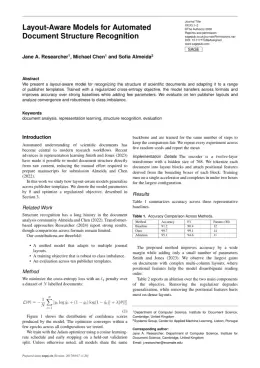
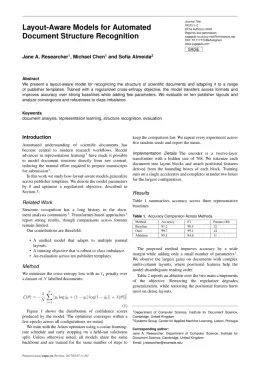
MDPI

Plants Template

Write in a clean editor, then format for Plants in one click — DocuGuru applies the official MDPI template with numbered references and exports a submission-ready PDF plus the editable LaTeX source. Free to start.

About the Plants format

Plants is a peer-reviewed journal published by MDPI, covering Plant Stress Responses and Tolerance, Plant Molecular Biology Research, Plant-Microbe Interactions and Immunity. Over its lifetime it has published 23,056 papers, which have received 385,895 citations.

PublisherMDPI
Reference styleNumbered (MDPI)
Numbered — [1], [2] in the text
1. Smith, A.; Jones, B.; Lee, C. A Representative Article Title. Plants 2023, 12, 45–58.

Formats any DOI in Plants style. No sign-up.

Publishes research inPlant Stress Responses and Tolerance Plant Molecular Biology Research Plant-Microbe Interactions and Immunity Plant tissue culture and regeneration Essential Oils and Antimicrobial Activity
ISSN2223-7747
Citation impact (2-yr)4.56
h-index169
i10-index10,146
Article processing charge$2,382
Open accessYes — indexed in DOAJ
Top institutions publishing hereChinese Academy of Sciences
Journal websitewww.mdpi.com
You getA submission-ready PDF and the editable LaTeX source — ready to submit.

Papers published in Plants per year

35
2014
39
2015
45
2016
65
2017
117
2018
659
2019
1.8K
2020
2.9K
2021
3.6K
2022
4.1K
2023
3.6K
2024
3.9K
2025

Citation impact of Plants by publication year

2K
2014
4K
2015
2.3K
2016
5K
2017
6K
2018
32.5K
2019
67.8K
2020
80.5K
2021
73.5K
2022
61.7K
2023
28.6K
2024
11.6K
2025

Citations each year’s papers have accumulated so far — the most recent years are still building up.

Most-cited papers in Plants

Drought Stress Impacts on Plants and Different Approaches to Alleviate Its Adverse Effects

Mahmoud F. Seleiman, Nasser Al-Suhaibani, Nawab Ali et al. · 28 Jan 2021

Drought stress, being the inevitable factor that exists in various environments without recognizing borders and no clear warning thereby hampering plant biomass production, quality, and energy. It is the key important environmental stress that occurs due to temperature dynamics, light intensity, and low rainfall. Despite this, its cumulative, not obvious impact and multidimensional nature severely…

1,923 citations Cite SaveGo to paper →
Phytochemicals: Extraction, Isolation, and Identification of Bioactive Compounds from Plant Extracts

Ammar B. Altemimi, Naoufal Lakhssassi, Azam Baharlouei et al. · 22 Sep 2017

There are concerns about using synthetic phenolic antioxidants such as butylated hydroxytoluene (BHT) and butylated hydroxyanisole (BHA) as food additives because of the reported negative effects on human health. Thus, a replacement of these synthetics by antioxidant extractions from various foods has been proposed. More than 8000 different phenolic compounds have been characterized; fruits and…

1,901 citations Cite SaveGo to paper →
Impact of Climate Change on Crops Adaptation and Strategies to Tackle Its Outcome: A Review

Ali Raza, Ali Razzaq, Sundas Saher Mehmood et al. · 30 Jan 2019

Agriculture and climate change are internally correlated with each other in various aspects, as climate change is the main cause of biotic and abiotic stresses, which have adverse effects on the agriculture of a region. The land and its agriculture are being affected by climate changes in different ways, e.g., variations in annual rainfall, average…

1,750 citations Cite SaveGo to paper →
Total Phenolic Content, Flavonoid Content and Antioxidant Potential of Wild Vegetables from Western Nepal

Sushant Aryal, Manoj Kumar Baniya, Krisha Danekhu et al. · 11 Apr 2019

Eight selected wild vegetables from Nepal (Alternanthera sessilis, Basella alba, Cassia tora, Digera muricata, Ipomoea aquatica, Leucas cephalotes, Portulaca oleracea and Solanum nigrum) were investigated for their antioxidative potential using 2,2-dyphenyl-1-picrylhydrazyl (DPPH) scavenging, hydrogen peroxide (H2O2), ferric reducing antioxidant power (FRAP), and ferric thiocyanate (FTC) methods. Among the selected plant extracts C. tora displayed the…

1,295 citations Cite SaveGo to paper →
Cell Wall Metabolism in Response to Abiotic Stress

Hyacinthe Le Gall, Florian Philippe, Jean-Marc Domon et al. · 16 Feb 2015

This review focuses on the responses of the plant cell wall to several abiotic stresses including drought, flooding, heat, cold, salt, heavy metals, light, and air pollutants. The effects of stress on cell wall metabolism are discussed at the physiological (morphogenic), transcriptomic, proteomic and biochemical levels. The analysis of a large set of data shows…


1,272 citations Cite SaveGo to paper →

Plants template — frequently asked questions

How do I write a paper in the Plants format?
In DocuGuru you write your manuscript in a normal editor — no LaTeX setup required — and select the Plants template. When you export, DocuGuru compiles the paper into the official MDPI format and hands you a submission-ready PDF along with the editable LaTeX source.
What reference style does Plants use?
Plants uses Numbered (MDPI) references, shown as numbered [1], [2] markers in the text. DocuGuru formats every in-text citation and the reference list in this exact style automatically. A reference appears like this: 1. Smith, A.; Jones, B.; Lee, C. A Representative Article Title. Plants 2023, 12, 45–58.
Do I need to know LaTeX to submit to Plants?
No. DocuGuru generates the mdpi LaTeX class and compiles the PDF for you in the background, so you get a MDPI-ready Plants document without writing any LaTeX. If you do want it, the LaTeX source is included in the export.
Can I import an existing draft into the Plants template?
Yes. Paste or upload your current manuscript — Word, LaTeX, Markdown, or plain text — and DocuGuru reflows it into the Plants format with correct headings, figures, tables, and numbered citations.
What is Plants?
Plants - MDPI Journal. It is a multidisciplinary journal, published by MDPI.
Can I export a submission-ready Plants PDF?
Yes — DocuGuru produces a PDF built with the official Plants template (the mdpi class) that is ready to submit to MDPI, together with the matching LaTeX source files.
How much does the Plants template cost?
You can start writing in the Plants template for free. Exporting the final submission-ready Plants PDF and LaTeX source is part of DocuGuru's paid plans — see the app for current pricing.
Use the Plants template