Elsevier

The Microbe Template

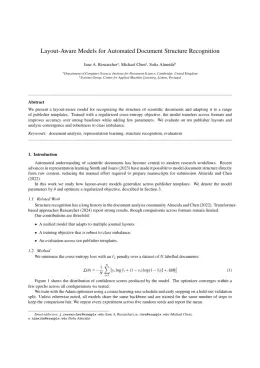
Write in a clean editor, then format for The Microbe in one click — DocuGuru applies the official Elsevier template with numbered references and exports a submission-ready PDF plus the editable LaTeX source. Free to start.

About the The Microbe format

The Microbe is a peer-reviewed journal published by Elsevier, covering Antibiotic Resistance in Bacteria, Probiotics and Fermented Foods, Bacterial biofilms and quorum sensing.

PublisherElsevier
Reference styleNumbered (Elsevier)
Numbered — [1], [2] in the text
[1] A. Smith, B. Jones, C. Lee, A representative article title, The Microbe 12 (2023) 45–58.

Formats any DOI in The Microbe style. No sign-up.

Publishes research inAntibiotic Resistance in Bacteria Probiotics and Fermented Foods Bacterial biofilms and quorum sensing Gut microbiota and health Essential Oils and Antimicrobial Activity
ISSN2950-1946
Citation impact (2-yr)4.69
h-index26
i10-index95
Total citations3,645
Open accessYes
Top institutions publishing hereSaveetha University
You getA submission-ready PDF and the editable LaTeX source — ready to submit.

Papers published in The Microbe per year

30
2023
198
2024
423
2025

Citation impact of The Microbe by publication year

219
2023
1.7K
2024
1.5K
2025

Citations each year’s papers have accumulated so far — the most recent years are still building up.

Most-cited papers in The Microbe

From formulation to function: A detailed review of microbial biofilms and their polymer-based extracellular substances

Baljeet Singh Saharan, Nisha Beniwal, Joginder Singh Duhan · 24 Oct 2024

Microbial biofilms are organized bacterial populations that stick to surfaces and are encased in an extracellular polymeric substances (EPS). Biofilms can form on both animate and inanimate surfaces and are acknowledged for their resilience against environmental stresses and antimicrobial agents. Extracellular polymeric substances (EPS) are responsible for establishing the structural and functional integrity of microbial…

Klebsiella pneumoniae: A growing threat in the era of antimicrobial resistance

Sijo Asokan, Teena Jacob, Jenny Jacob et al. · 8 Apr 2025

Klebsiella pneumoniae is an opportunistic bacterial pathogen that causes a variety of infections, particularly in hospitals. The growing prevalence of antibiotic resistance in K. pneumoniae strains has heightened its clinical significance and threatens patient outcomes. Furthermore, the COVID-19 pandemic has exacerbated the problem by disrupting healthcare systems and influencing antibiotic use practices. The purpose of…

Overview of antimicrobial resistance and mechanisms: The relative status of the past and current

N. Sharmila Devi, R. Mythili, Tijo Cherian et al. · 15 May 2024

Antibiotic development is not new to the medical community, but the emergence of antibiotic resistance has become the most serious threat to global health and food security. It results in longer hospital stays, more expensive medical treatments, and greater mortality rates around the world. The basic categories used to describe antibiotic resistance originating from both…

A comprehensive review on biofilm-associated infections: Mechanisms, diagnostic challenges, and innovative therapeutic strategies

Oussama Grari, Said Ezrari, Imane El Yandouzi et al. · 1 Jul 2025

Biofilms are structured microbial communities that form on biotic or abiotic surfaces. They are encased in a self-produced extracellular polymeric substance (EPS) matrix, which allows them to persist, resist antibiotics, and evade the host immune system. Biofilm development is linked to persistent and recurrent infections, including those related to implanted medical devices, wounds, the urinary…

Micro- and nano- plastic degradation by bacterial enzymes: A solution to 'White Pollution'

Mamun Mandal, Anamika Roy, Robert Popek et al. · 21 Apr 2024

The most significant threat to environmental components is the alarming increase of micro- and nano- plastics (MNPs) within the ecosystem. In addition to being produced by breaking larger plastic into fragments, MNPs are also produced for commercial uses, particularly packaging. MNPs exposure has infiltrated the food chain, environment, agroecosystems, human body, and animals. Even though…

The Microbe template — frequently asked questions

How do I write a paper in the The Microbe format?
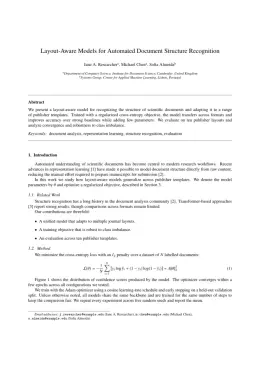
In DocuGuru you write your manuscript in a normal editor — no LaTeX setup required — and select the The Microbe template. When you export, DocuGuru compiles the paper into the official Elsevier format and hands you a submission-ready PDF along with the editable LaTeX source.
What reference style does The Microbe use?
The Microbe uses Numbered (Elsevier) references, shown as numbered [1], [2] markers in the text. DocuGuru formats every in-text citation and the reference list in this exact style automatically. A reference appears like this: [1] A. Smith, B. Jones, C. Lee, A representative article title, The Microbe 12 (2023) 45–58.
Do I need to know LaTeX to submit to The Microbe?
No. DocuGuru generates the elsarticle LaTeX class and compiles the PDF for you in the background, so you get a Elsevier-ready The Microbe document without writing any LaTeX. If you do want it, the LaTeX source is included in the export.
Can I import an existing draft into the The Microbe template?
Yes. Paste or upload your current manuscript — Word, LaTeX, Markdown, or plain text — and DocuGuru reflows it into the The Microbe format with correct headings, figures, tables, and numbered citations.
Who publishes The Microbe?
The Microbe is a multidisciplinary journal published by Elsevier. DocuGuru's The Microbe template matches Elsevier's official submission format.
Can I export a submission-ready The Microbe PDF?
Yes — DocuGuru produces a PDF built with the official The Microbe template (the elsarticle class) that is ready to submit to Elsevier, together with the matching LaTeX source files.
How much does the The Microbe template cost?
You can start writing in the The Microbe template for free. Exporting the final submission-ready The Microbe PDF and LaTeX source is part of DocuGuru's paid plans — see the app for current pricing.
Use the The Microbe template