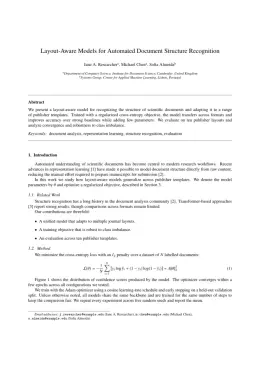
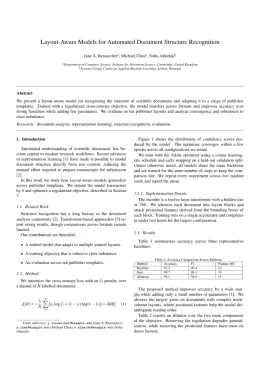
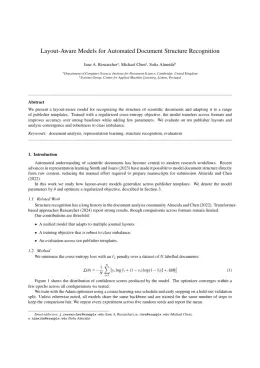
About the Procedia in Vaccinology format
Procedia in Vaccinology is a peer-reviewed journal published by Elsevier, covering Viral gastroenteritis research and epidemiology, Influenza Virus Research Studies, Vaccine Coverage and Hesitancy.
| Publisher | Elsevier |
|---|
| Reference style | Numbered (Elsevier) Numbered — [1], [2] in the text
[1] A. Smith, B. Jones, C. Lee, A representative article title, Procedia in Vaccinology 12 (2023) 45–58.
Formats any DOI in Procedia in Vaccinology style. No sign-up.
|
|---|
| Publishes research in | Viral gastroenteritis research and epidemiology Influenza Virus Research Studies Vaccine Coverage and Hesitancy Animal Disease Management and Epidemiology Animal Virus Infections Studies |
|---|
| ISSN | 1877-282X |
|---|
| h-index | 22 |
|---|
| i10-index | 64 |
|---|
| Total citations | 1,822 |
|---|
| Top institutions publishing here | Center for Biologics Evaluation and Research |
|---|
| Journal website | www.sciencedirect.com |
|---|
| You get | A submission-ready PDF and the editable LaTeX source — ready to submit. |
|---|
Papers published in Procedia in Vaccinology per year
Citation impact of Procedia in Vaccinology by publication year
Citations each year’s papers have accumulated so far — the most recent years are still building up.
Most-cited papers in Procedia in Vaccinology
Veterinary Vaccines and Their Importance to Animal Health and Public Health
James A. Roth · 1 Jan 2011
Veterinary vaccines have had, and continue to have, a major role in protecting animal health and public health, reducing animal suffering, enabling efficient production of food animals to feed the burgeoning human population, and greatly reducing the need for antibiotics to treat food and companion animals. Prominent examples include rabies vaccines and rinderpest vaccines. Rabies…
Vaxign: a web-based vaccine target design program for reverse vaccinology
Zuoshuang Xiang, Yongqun He · 1 Jan 2009
In the post-genomic era, strategies of vaccine development have progressed dramatically from traditional Pasteur's principles of isolating, inactivating and injecting the causative agent of an infectious disease, to reverse vaccinology that starts from bioinformatics analysis of the genome information. Based on the reverse vaccinology strategy, we have developed a web-based vaccine design system called Vaxign…
Human Vaccines and Their Importance to Public Health
Anne Schuchat · 1 Jan 2011
Few medical interventions compete with vaccines for their cumulative impact on health and well-being of entire populations. Routine immunization of children in the United States now targets 16 vaccine-preventable diseases; and vaccines are now routinely given across the lifespan. Immunization efforts achieved the global eradication of smallpox, as well as the elimination of polio, measles,…
Concepts of herd protection and immunity
Peter G. Smith · 1 Jan 2010
Vaccines are designed primarily to protect vaccinated individuals against the target infection. In addition to this direct effect of vaccination, vaccination may increase the level of population (or herd) immunity by increasing the proportion of the population who are immune from infection. For infections that are transmitted from person-to-person, or for which humans are important…
Evaluation of a Burkholderia Pseudomallei Outer Membrane Vesicle Vaccine in Nonhuman Primates
Hailey Petersen, Wildaliz Nieves, Kasi Russell‐Lodrigue et al. · 1 Jan 2014
Burkholderia pseudomallei (Bps)is the causative agent of melioidosis and is endemic in regions of northern Australia and Southeast Asia. Bps is inherently resistant to multiple antibiotics and is considered a potential biological warfare agent by the U.S. DHHS. Therefore, effective vaccines are necessary to prevent natural infection and to safeguard against biological attack with this…