Elsevier

Polar Science Template

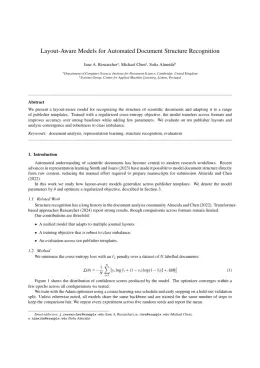
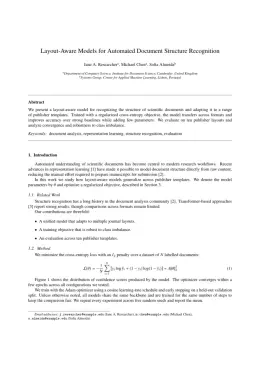
Write in a clean editor, then format for Polar Science in one click — DocuGuru applies the official Elsevier template with author–year references and exports a submission-ready PDF plus the editable LaTeX source. Free to start.

About the Polar Science format

Polar Science is a peer-reviewed journal published by Elsevier, covering Cryospheric studies and observations, Arctic and Antarctic ice dynamics, Climate change and permafrost.

PublisherElsevier
Reference styleAuthor–year (Harvard)
Author–year — (Smith, 2023) in the text
Smith, A., Jones, B. and Lee, C. (2023) 'A representative article title', Polar Science, 12(3), pp. 45–58.

Formats any DOI in Polar Science style. No sign-up.

Publishes research inCryospheric studies and observations Arctic and Antarctic ice dynamics Climate change and permafrost Polar Research and Ecology Geology and Paleoclimatology Research
ISSN1873-9652
Citation impact (2-yr)1.98
h-index51
i10-index436
Total citations14,757
Article processing charge$2,570
Top institutions publishing hereNational Institute of Polar Research
Journal websitewww.journals.elsevier.com
You getA submission-ready PDF and the editable LaTeX source — ready to submit.

Papers published in Polar Science per year

40
2014
33
2015
67
2016
34
2017
84
2018
52
2019
92
2020
110
2021
51
2022
63
2023
76
2024
70
2025

Citation impact of Polar Science by publication year

1K
2014
586
2015
1.4K
2016
681
2017
2K
2018
674
2019
1.3K
2020
1.1K
2021
321
2022
351
2023
240
2024
92
2025

Citations each year’s papers have accumulated so far — the most recent years are still building up.

Most-cited papers in Polar Science

The urgency of Arctic change

James Overland, E. J. Dunlea, Jason E. Box et al. · 27 Nov 2018

This article provides a synthesis of the latest observational trends and projections for the future of the Arctic. First, the Arctic is already changing rapidly as a result of climate change. Contemporary warm Arctic temperatures and large sea ice deficits (75% volume loss) demonstrate climate states outside of previous experience. Modeled changes of the Arctic…

Polar Science template — frequently asked questions

How do I write a paper in the Polar Science format?
In DocuGuru you write your manuscript in a normal editor — no LaTeX setup required — and select the Polar Science template. When you export, DocuGuru compiles the paper into the official Elsevier format and hands you a submission-ready PDF along with the editable LaTeX source.
What reference style does Polar Science use?
Polar Science uses Author–year (Harvard) references, shown as author–year markers such as (Smith, 2023) in the text. DocuGuru formats every in-text citation and the reference list in this exact style automatically. A reference appears like this: Smith, A., Jones, B. and Lee, C. (2023) 'A representative article title', Polar Science, 12(3), pp. 45–58.
Do I need to know LaTeX to submit to Polar Science?
No. DocuGuru generates the elsarticle LaTeX class and compiles the PDF for you in the background, so you get a Elsevier-ready Polar Science document without writing any LaTeX. If you do want it, the LaTeX source is included in the export.
Can I import an existing draft into the Polar Science template?
Yes. Paste or upload your current manuscript — Word, LaTeX, Markdown, or plain text — and DocuGuru reflows it into the Polar Science format with correct headings, figures, tables, and author–year citations.
Who publishes Polar Science?
Polar Science is a multidisciplinary journal published by Elsevier. DocuGuru's Polar Science template matches Elsevier's official submission format.
Can I export a submission-ready Polar Science PDF?
Yes — DocuGuru produces a PDF built with the official Polar Science template (the elsarticle class) that is ready to submit to Elsevier, together with the matching LaTeX source files.
How much does the Polar Science template cost?
You can start writing in the Polar Science template for free. Exporting the final submission-ready Polar Science PDF and LaTeX source is part of DocuGuru's paid plans — see the app for current pricing.

Use the Polar Science template