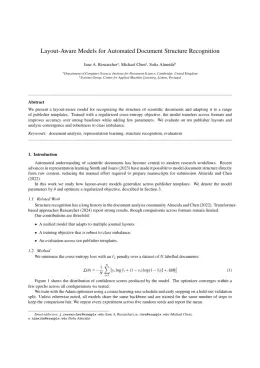
Elsevier

Phytomedicine Plus Template

Write in a clean editor, then format for Phytomedicine Plus in one click — DocuGuru applies the official Elsevier template with numbered references and exports a submission-ready PDF plus the editable LaTeX source. Free to start.

About the Phytomedicine Plus format

Phytomedicine Plus is a peer-reviewed journal published by Elsevier, covering Natural Antidiabetic Agents Studies, Essential Oils and Antimicrobial Activity, Ethnobotanical and Medicinal Plants Studies.

PublisherElsevier
Reference styleNumbered (Elsevier)
Numbered — [1], [2] in the text
[1] A. Smith, B. Jones, C. Lee, A representative article title, Phytomedicine Plus 12 (2023) 45–58.

Formats any DOI in Phytomedicine Plus style. No sign-up.

Publishes research inNatural Antidiabetic Agents Studies Essential Oils and Antimicrobial Activity Ethnobotanical and Medicinal Plants Studies Phytochemicals and Antioxidant Activities Pharmacological Effects of Natural Compounds
ISSN2667-0313
Citation impact (2-yr)3.26
h-index37
i10-index267
Total citations8,688
Article processing charge$1,500
Open accessYes
Top institutions publishing hereFederal University of Technology
Journal websitewww.journals.elsevier.com
You getA submission-ready PDF and the editable LaTeX source — ready to submit.

Papers published in Phytomedicine Plus per year

18
2020
195
2021
182
2022
117
2023
199
2024
225
2025

Citation impact of Phytomedicine Plus by publication year

214
2020
3.4K
2021
2.3K
2022
1.1K
2023
1K
2024
478
2025

Citations each year’s papers have accumulated so far — the most recent years are still building up.

Most-cited papers in Phytomedicine Plus

Therapeutic and pharmacological efficacy of selective Indian medicinal plants – A review

Murugan Prasathkumar, Salim Anisha, Dhrisya Chenthamara et al. · 28 Jan 2021

Globally, traditional herbal medicines have played a vital role in health systems, and are used to treat various acute and chronic conditions without or minimal toxic effect. Herbal plants are often used as a natural remedy to cure various health problems including tuberculosis, cancer, diabetes mellitus, heart diseases, wound healing, asthma, pharyngitis, hypertension etc. Plants…

Terpenoids in essential oils: Chemistry, classification, and potential impact on human health and industry

Tohfa Siddiqui, Mohammad Umar Khan, Vikram Sharma et al. · 24 Mar 2024

Terpenoids, present in essential oils (EOs), have gained significant attention due to their diverse pharmacological properties and their alignment with the growing global interest in natural and sustainable products. EOs, derived from various plants, have shown promise in antimicrobial, anti-inflammatory, antioxidant, and other valuable applications. This comprehensive review aims to elucidate the chemistry and pharmacological…

New insights into quercetin nanoformulations for topical delivery

Karan Wadhwa, Varsha Kadian, Vivek Puri et al. · 14 Mar 2022

Quercetin is one of the most critical endogenous anti-oxidants used widely in cosmetics, nutraceuticals, and pharmaceuticals products for skincare and therapeutics due to its protective character against oxidants and inflammation. Although low hydrophilicity and poor percutaneous absorption of quercetin make it an untrustworthy entrant for topical delivery, numerous new perspectives have been developed and proposed…

The potential of glycyrrhizin and licorice extract in combating COVID-19 and associated conditions

Adel A. Gomaa, Yasmin A. Abdel-Wadood · 17 Feb 2021

Background: Several recent studies have stated that glycyrrhizin and licorice extract are present in most traditional Chinese medicine formulas used against SARS-CoV-2 in China. Significant data are showing that glycyrrhizin and licorice extract have multiple beneficial activities in combating most features of SARS-CoV-2. Purpose: The aim of current review was to highlight recent progresses in…

A systematic and comprehensive review on current understanding of the pharmacological actions, molecular mechanisms, and clinical implications of the genus Eucalyptus

Nikhil Chandorkar, Srushti Tambe, Purnima D. Amin et al. · 26 Jun 2021

The interest in the use of Eucalyptus genus members, in parallel with preclinical studies has been steadily growing over the last few decades in the field of pharmaceuticals, agriculture, cosmetics, food, etc. Eucalyptol (1,8-cineole or cineole), the main terpenoid constituent in Eucalyptus species, has been studied in both preclinical and clinical settings for its various…

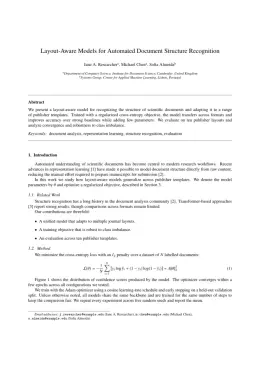
Phytomedicine Plus template — frequently asked questions

How do I write a paper in the Phytomedicine Plus format?
In DocuGuru you write your manuscript in a normal editor — no LaTeX setup required — and select the Phytomedicine Plus template. When you export, DocuGuru compiles the paper into the official Elsevier format and hands you a submission-ready PDF along with the editable LaTeX source.
What reference style does Phytomedicine Plus use?
Phytomedicine Plus uses Numbered (Elsevier) references, shown as numbered [1], [2] markers in the text. DocuGuru formats every in-text citation and the reference list in this exact style automatically. A reference appears like this: [1] A. Smith, B. Jones, C. Lee, A representative article title, Phytomedicine Plus 12 (2023) 45–58.
Do I need to know LaTeX to submit to Phytomedicine Plus?
No. DocuGuru generates the elsarticle LaTeX class and compiles the PDF for you in the background, so you get a Elsevier-ready Phytomedicine Plus document without writing any LaTeX. If you do want it, the LaTeX source is included in the export.
Can I import an existing draft into the Phytomedicine Plus template?
Yes. Paste or upload your current manuscript — Word, LaTeX, Markdown, or plain text — and DocuGuru reflows it into the Phytomedicine Plus format with correct headings, figures, tables, and numbered citations.
Who publishes Phytomedicine Plus?
Phytomedicine Plus is a multidisciplinary journal published by Elsevier. DocuGuru's Phytomedicine Plus template matches Elsevier's official submission format.
Can I export a submission-ready Phytomedicine Plus PDF?
Yes — DocuGuru produces a PDF built with the official Phytomedicine Plus template (the elsarticle class) that is ready to submit to Elsevier, together with the matching LaTeX source files.
How much does the Phytomedicine Plus template cost?
You can start writing in the Phytomedicine Plus template for free. Exporting the final submission-ready Phytomedicine Plus PDF and LaTeX source is part of DocuGuru's paid plans — see the app for current pricing.
Use the Phytomedicine Plus template