Elsevier

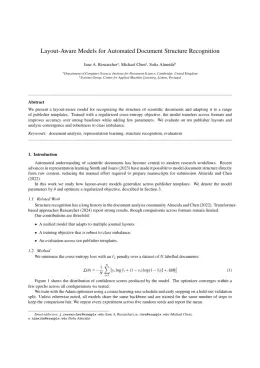
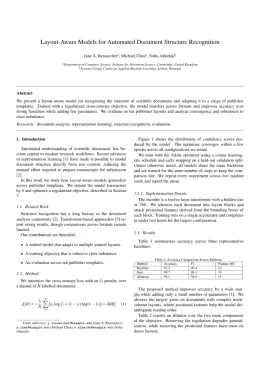
Pharmacological Research - Modern Chinese Medicine Template

Write in a clean editor, then format for Pharmacological Research - Modern Chinese Medicine in one click — DocuGuru applies the official Elsevier template with numbered references and exports a submission-ready PDF plus the editable LaTeX source. Free to start.

About the Pharmacological Research - Modern Chinese Medicine format

Pharmacological Research - Modern Chinese Medicine is a peer-reviewed journal published by Elsevier, covering Pharmacological Effects of Natural Compounds, Traditional Chinese Medicine Analysis, Natural Antidiabetic Agents Studies.

PublisherElsevier
Reference styleNumbered (Elsevier)
Numbered — [1], [2] in the text
[1] A. Smith, B. Jones, C. Lee, A representative article title, Pharmacological Research - Modern Chinese Medicine 12 (2023) 45–58.

Formats any DOI in Pharmacological Research - Modern Chinese Medicine style. No sign-up.

Publishes research inPharmacological Effects of Natural Compounds Traditional Chinese Medicine Analysis Natural Antidiabetic Agents Studies Natural product bioactivities and synthesis Phytochemicals and Antioxidant Activities
ISSN2667-1425
Citation impact (2-yr)3.52
h-index31
i10-index164
Total citations4,964
Article processing charge$1,400
Open accessYes
Top institutions publishing hereGLA University
Journal websitewww.journals.elsevier.com
You getA submission-ready PDF and the editable LaTeX source — ready to submit.

Papers published in Pharmacological Research - Modern Chinese Medicine per year

35
2021
163
2022
135
2023
211
2024
166
2025

Citation impact of Pharmacological Research - Modern Chinese Medicine by publication year

395
2021
1.4K
2022
1.4K
2023
1.3K
2024
281
2025

Citations each year’s papers have accumulated so far — the most recent years are still building up.

Most-cited papers in Pharmacological Research - Modern Chinese Medicine

Curcuma longa (Turmeric): Ethnomedicinal uses, phytochemistry, pharmacological activities and toxicity profiles—A review

Emeka Iweala, Miracle Ebubechi Uche, Emmanuel D. Dike et al. · 22 Jan 2023

Curcuma longa, popularly known as Turmeric, is a rhizomatous herbaceous perennial plant used in folk medicine for the treatment, prevention, and management of various illnesses such as cancer, diabetes, Arthritis, diarrhoea, inflammation, psoriasis, hepatobiliary diseases, gastric and peptic ulcers. This study reviewed the ethnomedicinal potentials, phytochemicals, and pharmacological activities of C. longa. In vitro and…

Potentials for health and therapeutic benefits of garlic essential oils: Recent findings and future prospects

Timothy Prince Chidike Ezeorba, Kingsley Ikechukwu Chukwudozie, Chinonso Anthony Ezema et al. · 8 Mar 2022

Garlic (Allium sativum) has been known for its potent medicinal activities and its interesting culinary role since ancient times. With over 200 phytochemicals and flavoring compounds elucidated and many others yet to, garlic promises to improve human health and vitality. Just like other phytochemical classes, essential oils for garlic have been reported to show interesting…

The ethnobotanical, bioactive compounds, pharmacological activities and toxicological evaluation of garlic (Allium sativum): A review

Benedict Chukwuebuka Okoro, Titilope M. Dokunmu, Esther Okafor et al. · 5 Jun 2023

Garlic (Allium sativum) is a medicinal plant exploited for its diverse pharmacological benefits and used as a cooking spice globally. In traditional Chinese medicine, garlic is prepared and served in different forms such as syrup, extract, decoct, garlic oil, tincture, and infusion, and they are exploited for their medicinal benefits in the treatment of several…

Essential oils: Chemical constituents, potential neuropharmacological effects and aromatherapy - A review

Jiahao Liang, Yuyu Zhang, Penghao Chi et al. · 24 Dec 2022

Essential oils (EOs) are a plant-derived volatile mixture. Due to their extensive biological activity, EOs have been utilized as ancient remedies to treat a variety of illnesses. Our review aims to expand our understanding of EOs’ biological activity on the central nervous system (CNS) and to highlight the importance of utilizing EOs in CNS disorders.…

Phytotherapy: A promising approach for the treatment of Alzheimer's disease

Ogbodo Onyebuchi John, Ihim Stella Amarachi, Chinazom Precious Agbo et al. · 12 Dec 2021

Alzheimer's disease (AD) is a progressive neurological disease and the most common form of dementia, affecting more than 10 million people all over the world. Clinically, AD is characterized by progressive deficits in memory, cognitive impairment, and altered behavior. Although researches have largely continued, there is still no appropriate treatment option for disease-modifying AD. However,…

Pharmacological Research - Modern Chinese Medicine template — frequently asked questions

How do I write a paper in the Pharmacological Research - Modern Chinese Medicine format?
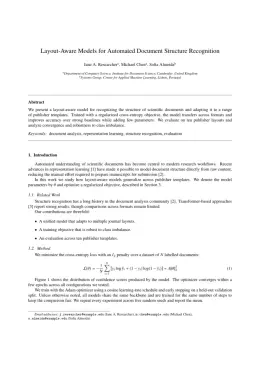
In DocuGuru you write your manuscript in a normal editor — no LaTeX setup required — and select the Pharmacological Research - Modern Chinese Medicine template. When you export, DocuGuru compiles the paper into the official Elsevier format and hands you a submission-ready PDF along with the editable LaTeX source.
What reference style does Pharmacological Research - Modern Chinese Medicine use?
Pharmacological Research - Modern Chinese Medicine uses Numbered (Elsevier) references, shown as numbered [1], [2] markers in the text. DocuGuru formats every in-text citation and the reference list in this exact style automatically. A reference appears like this: [1] A. Smith, B. Jones, C. Lee, A representative article title, Pharmacological Research - Modern Chinese Medicine 12 (2023) 45–58.
Do I need to know LaTeX to submit to Pharmacological Research - Modern Chinese Medicine?
No. DocuGuru generates the elsarticle LaTeX class and compiles the PDF for you in the background, so you get a Elsevier-ready Pharmacological Research - Modern Chinese Medicine document without writing any LaTeX. If you do want it, the LaTeX source is included in the export.
Can I import an existing draft into the Pharmacological Research - Modern Chinese Medicine template?
Yes. Paste or upload your current manuscript — Word, LaTeX, Markdown, or plain text — and DocuGuru reflows it into the Pharmacological Research - Modern Chinese Medicine format with correct headings, figures, tables, and numbered citations.
Who publishes Pharmacological Research - Modern Chinese Medicine?
Pharmacological Research - Modern Chinese Medicine is a multidisciplinary journal published by Elsevier. DocuGuru's Pharmacological Research - Modern Chinese Medicine template matches Elsevier's official submission format.
Can I export a submission-ready Pharmacological Research - Modern Chinese Medicine PDF?
Yes — DocuGuru produces a PDF built with the official Pharmacological Research - Modern Chinese Medicine template (the elsarticle class) that is ready to submit to Elsevier, together with the matching LaTeX source files.
How much does the Pharmacological Research - Modern Chinese Medicine template cost?
You can start writing in the Pharmacological Research - Modern Chinese Medicine template for free. Exporting the final submission-ready Pharmacological Research - Modern Chinese Medicine PDF and LaTeX source is part of DocuGuru's paid plans — see the app for current pricing.
Use the Pharmacological Research - Modern Chinese Medicine template