Elsevier

Nigerian Food Journal Template

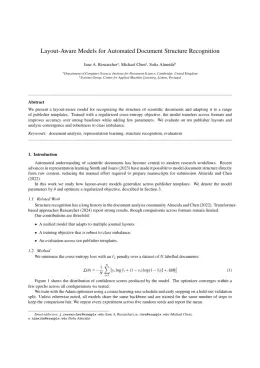
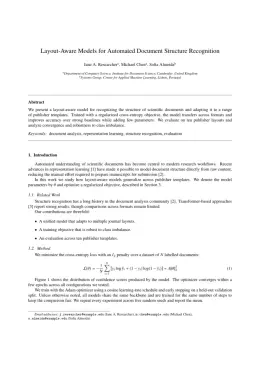
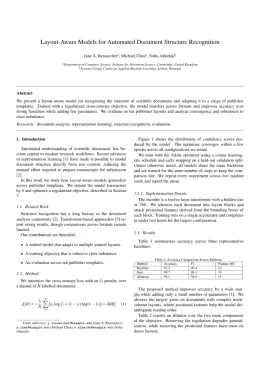
Write in a clean editor, then format for Nigerian Food Journal in one click — DocuGuru applies the official Elsevier template with author–year references and exports a submission-ready PDF plus the editable LaTeX source. Free to start.

About the Nigerian Food Journal format

Nigerian Food Journal is a peer-reviewed journal published by Elsevier, covering Food composition and properties, Cassava research and cyanide, African Botany and Ecology Studies.

PublisherElsevier
Reference styleAuthor–year (Harvard)
Author–year — (Smith, 2023) in the text
Smith, A., Jones, B. and Lee, C. (2023) 'A representative article title', Nigerian Food Journal, 12(3), pp. 45–58.

Formats any DOI in Nigerian Food Journal style. No sign-up.

Publishes research inFood composition and properties Cassava research and cyanide African Botany and Ecology Studies Phytase and its Applications Polysaccharides Composition and Applications
ISSN0189-7241
h-index32
i10-index142
Total citations4,865
Top institutions publishing hereFederal University of Agriculture
You getA submission-ready PDF and the editable LaTeX source — ready to submit.

Papers published in Nigerian Food Journal per year

81
2009
90
2010
34
2011
46
2012
43
2013
44
2014
31
2015
29
2016
23
2017
20
2018
23
2019
8
2020

Citation impact of Nigerian Food Journal by publication year

426
2009
451
2010
72
2011
470
2012
942
2013
865
2014
455
2015
15
2016
27
2017
12
2018
20
2019
2
2020

Citations each year’s papers have accumulated so far — the most recent years are still building up.

Most-cited papers in Nigerian Food Journal

Enzymatic Reduction of Anti-nutritional Factors in Fermenting Soybeans by Lactobacillus plantarum Isolates from Fermenting Cereals

Stella Mojisola Adeyemo, A. A. Onilude · 1 Jan 2013

Soybean is rich in dietary protein but contains some anti-nutritional factors (ANFs), including phytates, tannins, trypsin inhibitors and oligosaccharides. It is used with cereals in weaning foods to improve the protein content and supply essential amino acids. The objective of this work, therefore, was to use microorganisms, specifically Lactobacillus plantarum and the enzymes it produces…

Effect of Fermentation Time on the Phenolic, Flavonoid and Vitamin C Contents and Antioxidant Activities of Okra (Abelmoschus esculentus) Seeds

Foluso Olutope Adetuyi, Taghreed A. Ibrahim · 1 Jan 2014

The objective of this study was to evaluate the effect of fermentation on the phenolic, vitamin C and total flavonoid contents and antioxidant properties of okra seed. The okra seeds were removed from the pod of matured and fibrous okra that cannot be easily cut with kitchen knife, and was allowed to undergo chance fermentation…

Effect of Storage Conditions on the Quality Attributes of Shell (Table) Eggs

Mike Ojotu Eke, N. I. Olaitan, J. Ochefu · 1 Jan 2013

In tropical countries like Nigeria, egg preservation is a serious problem. The common practice is to store under ambient condition due to lack of refrigeration facilities and erratic power supply. Four crates of fresh table eggs were bought from the University of Agriculture, Makurdi farm and preliminary investigations of egg weights, Haugh unit, pH and…

Effect of Natural Fermentation on the Chemical and Nutritional Composition of Fermented Soymilk Nono

Adewale Olusegun Obadina, O.J. Akinola, T.A. Shittu et al. · 1 Jan 2013

Changes in the chemical and nutritional composition of naturally fermented soy nono were studied at ambient temperature (27 ± 2°C) for 72h. The differently fermented soy nono samples were collected at 6 h intervals and analysed for chemical, proximate and mineral composition using standard laboratory procedures. Biochemical changes in the fermenting soy nono showed a…

Nigerian Food Journal template — frequently asked questions

How do I write a paper in the Nigerian Food Journal format?
In DocuGuru you write your manuscript in a normal editor — no LaTeX setup required — and select the Nigerian Food Journal template. When you export, DocuGuru compiles the paper into the official Elsevier format and hands you a submission-ready PDF along with the editable LaTeX source.
What reference style does Nigerian Food Journal use?
Nigerian Food Journal uses Author–year (Harvard) references, shown as author–year markers such as (Smith, 2023) in the text. DocuGuru formats every in-text citation and the reference list in this exact style automatically. A reference appears like this: Smith, A., Jones, B. and Lee, C. (2023) 'A representative article title', Nigerian Food Journal, 12(3), pp. 45–58.
Do I need to know LaTeX to submit to Nigerian Food Journal?
No. DocuGuru generates the elsarticle LaTeX class and compiles the PDF for you in the background, so you get a Elsevier-ready Nigerian Food Journal document without writing any LaTeX. If you do want it, the LaTeX source is included in the export.
Can I import an existing draft into the Nigerian Food Journal template?
Yes. Paste or upload your current manuscript — Word, LaTeX, Markdown, or plain text — and DocuGuru reflows it into the Nigerian Food Journal format with correct headings, figures, tables, and author–year citations.
Who publishes Nigerian Food Journal?
Nigerian Food Journal is a multidisciplinary journal published by Elsevier. DocuGuru's Nigerian Food Journal template matches Elsevier's official submission format.
Can I export a submission-ready Nigerian Food Journal PDF?
Yes — DocuGuru produces a PDF built with the official Nigerian Food Journal template (the elsarticle class) that is ready to submit to Elsevier, together with the matching LaTeX source files.
How much does the Nigerian Food Journal template cost?
You can start writing in the Nigerian Food Journal template for free. Exporting the final submission-ready Nigerian Food Journal PDF and LaTeX source is part of DocuGuru's paid plans — see the app for current pricing.

Use the Nigerian Food Journal template