Elsevier

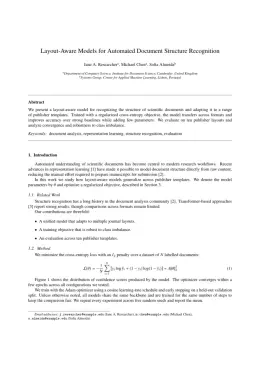
JVS Vascular Science Template

Write in a clean editor, then format for JVS Vascular Science in one click — DocuGuru applies the official Elsevier template with numbered references and exports a submission-ready PDF plus the editable LaTeX source. Free to start.

About the JVS Vascular Science format

JVS Vascular Science is a peer-reviewed journal published by Elsevier, covering Aortic aneurysm repair treatments, Peripheral Artery Disease Management, Aortic Disease and Treatment Approaches.

PublisherElsevier
Reference styleNumbered (Elsevier)
Numbered — [1], [2] in the text
[1] A. Smith, B. Jones, C. Lee, A representative article title, JVS Vascular Science 12 (2023) 45–58.

Formats any DOI in JVS Vascular Science style. No sign-up.

Publishes research inAortic aneurysm repair treatments Peripheral Artery Disease Management Aortic Disease and Treatment Approaches Angiogenesis and VEGF in Cancer Infectious Aortic and Vascular Conditions
ISSN2666-3503
Citation impact (2-yr)0.45
h-index21
i10-index41
Total citations1,613
Article processing charge$2,800
Open accessYes
Top institutions publishing hereYale University
Journal websitewww.journals.elsevier.com
You getA submission-ready PDF and the editable LaTeX source — ready to submit.

Papers published in JVS Vascular Science per year

1
2013
59
2020
54
2021
85
2022
93
2023
87
2024
31
2025

Citation impact of JVS Vascular Science by publication year

0
2013
390
2020
601
2021
241
2022
245
2023
64
2024
34
2025

Citations each year’s papers have accumulated so far — the most recent years are still building up.

Most-cited papers in JVS Vascular Science

Targeting smooth muscle cell phenotypic switching in vascular disease

Raja Chakraborty, Payel Chatterjee, Jui M. Dave et al. · 1 Jan 2021

OBJECTIVE: The phenotypic plasticity of vascular smooth muscle cells (VSMCs) is central to vessel growth and remodeling, but also contributes to cardiovascular pathologies. New technologies including fate mapping, single cell transcriptomics, and genetic and pharmacologic inhibitors have provided fundamental new insights into the biology of VSMC. The goal of this review is to summarize the…

Review of imaging biomarkers for the vulnerable carotid plaque

Luca Saba, Nivedita Agarwal, Riccardo Cau et al. · 1 Jan 2021

Identification of carotid artery atherosclerosis is conventionally based on measurements of luminal stenosis. However, histopathologic studies demonstrate considerable differences between plaques with identical degrees of stenosis and indicate that certain plaque features are associated with increased risk for ischemic events. As a result of the rapid technological evolution in medical imaging, several important steps have…

Intraluminal thrombus: Innocent bystander or factor in abdominal aortic aneurysm pathogenesis?

April J. Boyd · 1 Jan 2021

BACKGROUND: Abdominal aortic aneurysms (AAAs) represent a complex multifactorial hemodynamic, thrombotic, and inflammatory process that can ultimately result in aortic rupture and death. Despite improved screening and surgical management of AAAs, the mortality rates have remained high after rupture, and little progress has occurred in the development of nonoperative treatments. Intraluminal thrombus (ILT) is present…

Machine deep learning accurately detects endoleak after endovascular abdominal aortic aneurysm repair

Sage Hahn, Mark E Perry, Christopher S. Morris et al. · 1 Jan 2020

OBJECTIVE: The objective of this study was to develop a machine deep learning algorithm for endoleak detection and measurement of aneurysm diameter, area, and volume from computed tomography angiography (CTA). METHODS: Digital Imaging and Communications in Medicine files representing three-phase postoperative CTA images (N = 334) of 191 unique patients undergoing endovascular aneurysm repair for…

Translating mouse models of abdominal aortic aneurysm to the translational needs of vascular surgery

Albert Busch, Sonja Bleichert, Nahla Ibrahim et al. · 1 Jan 2021

Abdominal aortic aneurysm (AAA) is a condition that has considerable socioeconomic impact and an eventual rupture is associated with high mortality and morbidity. Despite decades of research, surgical repair remains the treatment of choice and no medical therapy is currently available. Animal models and, in particular, murine models, of AAA are a vital tool for…

JVS Vascular Science template — frequently asked questions

How do I write a paper in the JVS Vascular Science format?
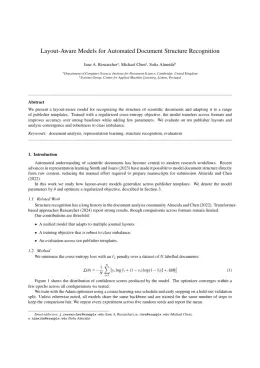
In DocuGuru you write your manuscript in a normal editor — no LaTeX setup required — and select the JVS Vascular Science template. When you export, DocuGuru compiles the paper into the official Elsevier format and hands you a submission-ready PDF along with the editable LaTeX source.
What reference style does JVS Vascular Science use?
JVS Vascular Science uses Numbered (Elsevier) references, shown as numbered [1], [2] markers in the text. DocuGuru formats every in-text citation and the reference list in this exact style automatically. A reference appears like this: [1] A. Smith, B. Jones, C. Lee, A representative article title, JVS Vascular Science 12 (2023) 45–58.
Do I need to know LaTeX to submit to JVS Vascular Science?
No. DocuGuru generates the elsarticle LaTeX class and compiles the PDF for you in the background, so you get a Elsevier-ready JVS Vascular Science document without writing any LaTeX. If you do want it, the LaTeX source is included in the export.
Can I import an existing draft into the JVS Vascular Science template?
Yes. Paste or upload your current manuscript — Word, LaTeX, Markdown, or plain text — and DocuGuru reflows it into the JVS Vascular Science format with correct headings, figures, tables, and numbered citations.
Who publishes JVS Vascular Science?
JVS Vascular Science is a multidisciplinary journal published by Elsevier. DocuGuru's JVS Vascular Science template matches Elsevier's official submission format.
Can I export a submission-ready JVS Vascular Science PDF?
Yes — DocuGuru produces a PDF built with the official JVS Vascular Science template (the elsarticle class) that is ready to submit to Elsevier, together with the matching LaTeX source files.
How much does the JVS Vascular Science template cost?
You can start writing in the JVS Vascular Science template for free. Exporting the final submission-ready JVS Vascular Science PDF and LaTeX source is part of DocuGuru's paid plans — see the app for current pricing.
Use the JVS Vascular Science template