Elsevier

Journal of Molecular and Cellular Cardiology Plus Template

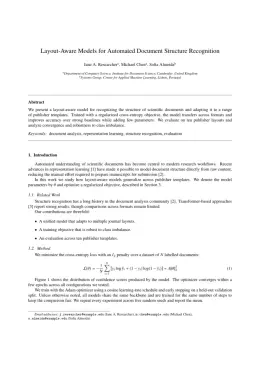
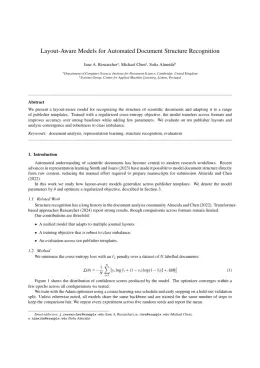
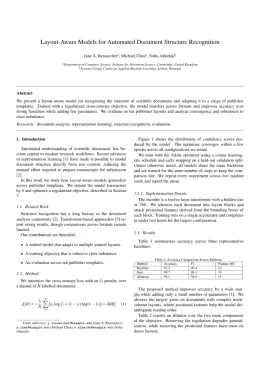
Write in a clean editor, then format for Journal of Molecular and Cellular Cardiology Plus in one click — DocuGuru applies the official Elsevier template with numbered references and exports a submission-ready PDF plus the editable LaTeX source. Free to start.

About the Journal of Molecular and Cellular Cardiology Plus format

Journal of Molecular and Cellular Cardiology Plus is a peer-reviewed journal published by Elsevier, covering Cardiac Fibrosis and Remodeling, Cardiovascular Function and Risk Factors, Cardiomyopathy and Myosin Studies.

PublisherElsevier
Reference styleNumbered (Elsevier)
Numbered — [1], [2] in the text
[1] A. Smith, B. Jones, C. Lee, A representative article title, Journal of Molecular and Cellular Cardiology Plus 12 (2023) 45–58.

Formats any DOI in Journal of Molecular and Cellular Cardiology Plus style. No sign-up.

Publishes research inCardiac Fibrosis and Remodeling Cardiovascular Function and Risk Factors Cardiomyopathy and Myosin Studies Cardiac electrophysiology and arrhythmias Congenital heart defects research
ISSN2772-9761
Citation impact (2-yr)0.29
h-index9
i10-index9
Total citations433
Open accessYes
Top institutions publishing hereGerman Centre for Cardiovascular Research
You getA submission-ready PDF and the editable LaTeX source — ready to submit.

Papers published in Journal of Molecular and Cellular Cardiology Plus per year

23
2022
25
2023
131
2024
214
2025

Citation impact of Journal of Molecular and Cellular Cardiology Plus by publication year

80
2022
148
2023
102
2024
89
2025

Citations each year’s papers have accumulated so far — the most recent years are still building up.

Most-cited papers in Journal of Molecular and Cellular Cardiology Plus

Innovations in heart failure management: The role of cutting-edge biomarkers and multi-omics integration

José Mesquita Bastos, Beatriz Colaço, Rui Baptista et al. · 1 Mar 2025

Heart failure (HF) remains a major cause of morbidity and mortality worldwide and represents a major challenge for diagnosis, prognosis and treatment due to its heterogeneity. Traditional biomarkers such as BNP and NT-proBNP are valuable but insufficient to capture the complexity of HF, especially phenotypes such as HF with preserved ejection fraction (HFpEF). Recent advances…

OptoDyCE-plate as an affordable high throughput imager for all optical cardiac electrophysiology

Yuli W. Heinson, Julie Han, Emilia Entcheva · 8 Nov 2023

We present a simple low-cost system for comprehensive functional characterization of cardiac function under spontaneous and paced conditions, in standard 96 and 384-well plates. This full-plate actuator/imager, OptoDyCE-plate, uses optogenetic stimulation and optical readouts of voltage and calcium (parallel recordings from up to 100 wells in 384-well plates are demonstrated). The system is validated with…

Mechano-energetic uncoupling in hypertrophic cardiomyopathy: Pathophysiological mechanisms and therapeutic opportunities

Vasco Sequeira, Mark T. Waddingham, Hirotsugu Tsuchimochi et al. · 6 May 2023

Hypertrophic cardiomyopathy (HCM) is a frequent inherited form of heart failure. The underlying cause of HCM is generally attributed to mutations in genes that encode for sarcomeric proteins, but the pathogenesis of the disease is also influenced by non-genetic factors, which can contribute to diastolic dysfunction and hypertrophic remodeling. Central to the pathogenesis of HCM…

MicroRNA miR-378-3p is a novel regulator of endothelial autophagy and function

Shuhan Bu, Jameela Joseph, Hien C. Nguyen et al. · 8 Dec 2022

Autophagy is a highly conserved cellular process in which cytoplasmic materials are internalized into an autophagosome that later fuses with a lysosome for their degradation and recycling. MicroRNAs (miRNAs) are integral regulators in various cellular processes including autophagy and endothelial function. Accordingly, we hypothesize that miRNA, miR-378-3p, is an essential regulator of endothelial autophagy and…

Journal of Molecular and Cellular Cardiology Plus template — frequently asked questions

How do I write a paper in the Journal of Molecular and Cellular Cardiology Plus format?
In DocuGuru you write your manuscript in a normal editor — no LaTeX setup required — and select the Journal of Molecular and Cellular Cardiology Plus template. When you export, DocuGuru compiles the paper into the official Elsevier format and hands you a submission-ready PDF along with the editable LaTeX source.
What reference style does Journal of Molecular and Cellular Cardiology Plus use?
Journal of Molecular and Cellular Cardiology Plus uses Numbered (Elsevier) references, shown as numbered [1], [2] markers in the text. DocuGuru formats every in-text citation and the reference list in this exact style automatically. A reference appears like this: [1] A. Smith, B. Jones, C. Lee, A representative article title, Journal of Molecular and Cellular Cardiology Plus 12 (2023) 45–58.
Do I need to know LaTeX to submit to Journal of Molecular and Cellular Cardiology Plus?
No. DocuGuru generates the elsarticle LaTeX class and compiles the PDF for you in the background, so you get a Elsevier-ready Journal of Molecular and Cellular Cardiology Plus document without writing any LaTeX. If you do want it, the LaTeX source is included in the export.
Can I import an existing draft into the Journal of Molecular and Cellular Cardiology Plus template?
Yes. Paste or upload your current manuscript — Word, LaTeX, Markdown, or plain text — and DocuGuru reflows it into the Journal of Molecular and Cellular Cardiology Plus format with correct headings, figures, tables, and numbered citations.
Who publishes Journal of Molecular and Cellular Cardiology Plus?
Journal of Molecular and Cellular Cardiology Plus is a multidisciplinary journal published by Elsevier. DocuGuru's Journal of Molecular and Cellular Cardiology Plus template matches Elsevier's official submission format.
Can I export a submission-ready Journal of Molecular and Cellular Cardiology Plus PDF?
Yes — DocuGuru produces a PDF built with the official Journal of Molecular and Cellular Cardiology Plus template (the elsarticle class) that is ready to submit to Elsevier, together with the matching LaTeX source files.
How much does the Journal of Molecular and Cellular Cardiology Plus template cost?
You can start writing in the Journal of Molecular and Cellular Cardiology Plus template for free. Exporting the final submission-ready Journal of Molecular and Cellular Cardiology Plus PDF and LaTeX source is part of DocuGuru's paid plans — see the app for current pricing.

Use the Journal of Molecular and Cellular Cardiology Plus template