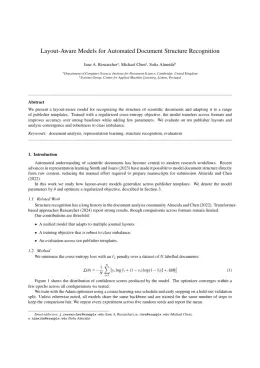
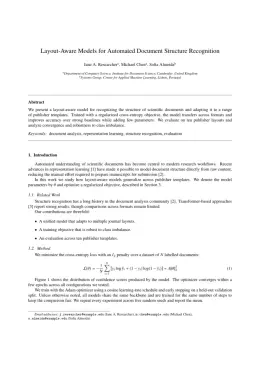
About the Journal of Genetic Engineering and Biotechnology format
Journal of Genetic Engineering and Biotechnology is a peer-reviewed journal published by Elsevier, covering Plant tissue culture and regeneration, Enzyme Production and Characterization, vaccines and immunoinformatics approaches.
| Publisher | Elsevier |
|---|
| Reference style | Numbered (Elsevier) Numbered — [1], [2] in the text
[1] A. Smith, B. Jones, C. Lee, A representative article title, Journal of Genetic Engineering and Biotechnology 12 (2023) 45–58.
Formats any DOI in Journal of Genetic Engineering and Biotechnology style. No sign-up.
|
|---|
| Publishes research in | Plant tissue culture and regeneration Enzyme Production and Characterization vaccines and immunoinformatics approaches Nanoparticles: synthesis and applications Genetic diversity and population structure |
|---|
| ISSN | 1687-157X |
|---|
| Citation impact (2-yr) | 2.68 |
|---|
| h-index | 69 |
|---|
| i10-index | 628 |
|---|
| Total citations | 26,922 |
|---|
| Open access | Yes |
|---|
| Top institutions publishing here | National Research Centre |
|---|
| Journal website | jgeb.springeropen.com |
|---|
| You get | A submission-ready PDF and the editable LaTeX source — ready to submit. |
|---|
Papers published in Journal of Genetic Engineering and Biotechnology per year
Citation impact of Journal of Genetic Engineering and Biotechnology by publication year
Citations each year’s papers have accumulated so far — the most recent years are still building up.
Most-cited papers in Journal of Genetic Engineering and Biotechnology
Recent advancements in molecular marker-assisted selection and applications in plant breeding programmes
Nazarul Hasan, Sana Choudhary, Neha Naaz et al. · 27 Aug 2021
BACKGROUND: DNA markers improved the productivity and accuracy of classical plant breeding by means of marker-assisted selection (MAS). The enormous number of quantitative trait loci (QTLs) mapping read for different plant species have given a plenitude of molecular marker-gene associations. In this review, we have discussed the positive aspects of molecular marker-assisted selection and its…
GABAA receptors: structure, function, pharmacology, and related disorders
Amr Ghit, Dina Assal, Ahmed S. Al‐Shami et al. · 21 Aug 2021
γ-Aminobutyric acid sub-type A receptors (GABAARs) are the most prominent inhibitory neurotransmitter receptors in the CNS. They are a family of ligand-gated ion channel with significant physiological and therapeutic implications. GABAARs are heteropentamers formed from a selection of 19 subunits: six α (alpha1-6), three β (beta1-3), three γ (gamma1-3), three ρ (rho1-3), and one each…
Biogenic nanoparticles: a comprehensive perspective in synthesis, characterization, application and its challenges
Sunita Patil, Rajkuberan Chandrasekaran · 26 Oct 2020
BACKGROUND: Translating the conventional scientific concepts into a new robust invention is a much needed one at a present scenario to develop some novel materials with intriguing properties. Particles in nanoscale exhibit superior activity than their bulk counterpart. This unique feature is intensively utilized in physical, chemical, and biological sectors. Each metal is holding unique…
Microbial alkaline proteases: Optimization of production parameters and their properties
Kanupriya Miglani Sharma, Rajesh Kumar, Surbhi Panwar et al. · 27 Feb 2017
Proteases are hydrolytic enzymes capable of degrading proteins into small peptides and amino acids. They account for nearly 60% of the total industrial enzyme market. Proteases are extensively exploited commercially, in food, pharmaceutical, leather and detergent industry. Given their potential use, there has been renewed interest in the discovery of proteases with novel properties and…
Promising bioactive compounds from the marine environment and their potential effects on various diseases
Akash Karthikeyan, Abey Joseph, Baiju G. Nair · 26 Jan 2022
BACKGROUND: The marine environment hosts a wide variety of species that have evolved to live in harsh and challenging conditions. Marine organisms are the focus of interest due to their capacity to produce biotechnologically useful compounds. They are promising biocatalysts for new and sustainable industrial processes because of their resistance to temperature, pH, salt, and…