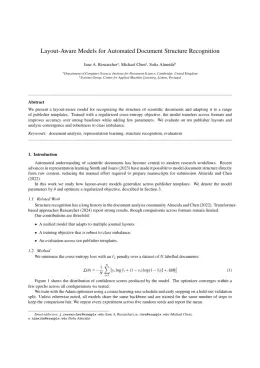
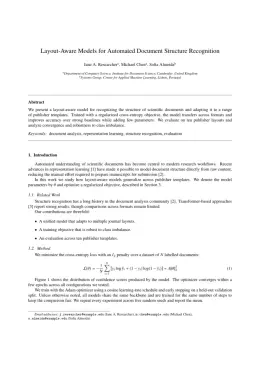
About the Green Analytical Chemistry format
Green Analytical Chemistry is a peer-reviewed journal published by Elsevier, covering Analytical Chemistry and Chromatography, Analytical chemistry methods development, Analytical Methods in Pharmaceuticals.
| Publisher | Elsevier |
|---|
| Reference style | Numbered (Elsevier) Numbered — [1], [2] in the text
[1] A. Smith, B. Jones, C. Lee, A representative article title, Green Analytical Chemistry 12 (2023) 45–58.
Formats any DOI in Green Analytical Chemistry style. No sign-up.
|
|---|
| Publishes research in | Analytical Chemistry and Chromatography Analytical chemistry methods development Analytical Methods in Pharmaceuticals Pesticide Residue Analysis and Safety Advanced Chemical Sensor Technologies |
|---|
| ISSN | 2772-5774 |
|---|
| Citation impact (2-yr) | 9.01 |
|---|
| h-index | 33 |
|---|
| i10-index | 126 |
|---|
| Total citations | 4,765 |
|---|
| Article processing charge | $1,250 |
|---|
| Open access | Yes |
|---|
| Top institutions publishing here | University of Messina |
|---|
| Journal website | www.journals.elsevier.com |
|---|
| You get | A submission-ready PDF and the editable LaTeX source — ready to submit. |
|---|
Papers published in Green Analytical Chemistry per year
Citation impact of Green Analytical Chemistry by publication year
Citations each year’s papers have accumulated so far — the most recent years are still building up.
Most-cited papers in Green Analytical Chemistry
A total scoring system and software for complex modified GAPI (ComplexMoGAPI) application in the assessment of method greenness
Fotouh R. Mansour, Khalid M. Omer, Justyna Płotka‐Wasylka · 27 Jun 2024
Evaluating analytical methods with innovative metrics is essential to ensure the effectiveness of analytical procedures. Various approaches have been proposed to assess the performance of an analytical method and its environmental consequences, as sustainable environment and green chemistry ideology are of high importance nowadays. Considering greenness evaluation of developed analytical procedures, Green Analytical Procedure Index…
Removal of microplastics in water: Technology progress and green strategies
Wei Gao, Yalin Zhang, Aoyun Mo et al. · 25 Oct 2022
Microplastics (MPs) are globally distributed in aquatic environments, and become a growing threat to the ecosystem. It is urgently needed to develop effective technologies to remove MPs from water. In this review, we summarized progress in major technologies for the removal of MPs. Currently, multiple technologies for MPs removal have been developed including physical, chemical,…
Advantages of the reuse of spent adsorbents and potential applications in environmental remediation: A review
B.G. Fouda-Mbanga, Onimisi P. Onotu, Zikhona Tywabi-Ngeva · 28 Sep 2024
• Innovative Applications of Spent Adsorbents. • Environmental and Economic Benefits. • Mechanistic Insights into Adsorbent Reuse. Adsorption represents a highly promising methodology for wastewater treatment, characterized by its operational simplicity and economic efficiency in extracting environmental pollutants. This study investigates the possible uses and benefits of recycling wasted adsorbents containing metals in various environmental…
How to evaluate methods used in chemical laboratories in terms of the total chemical risk? – a ChlorTox Scale
Paweł Mateusz Nowak, Renata Wietecha‐Posłuszny, Justyna Płotka‐Wasylka et al. · 13 Apr 2023
Reliable assessment of the health and environmental risk associated with the use of chemicals is critical to objectively evaluate the greenness and whiteness of an analytical method. An objective and useful way of risk assessment should take into account all the relevant properties of used substances, their actual amounts needed for application of the method,…
Microscopic techniques as means for the determination of microplastics and nanoplastics in the aquatic environment: A concise review
Dimitrios Kalaronis, Nina Maria Ainali, Εleni Εvgenidou et al. · 1 Oct 2022
The global concern about the fate of plastic particles, including microplastics (MPs) and nanoplastics (NPs), in aquatic ecosystems has undoubtedly grown as million tons of polymeric fragments are released in oceans in an annual basis. The ability of these plastic items being transferred into the several aquatic ecosystems in combination with their ability to absorb…