
3,718 citations
Cite
SaveGo to paper →
Elsevier
Computers in Human Behavior Template
Write in a clean editor, then format for Computers in Human Behavior in one click — DocuGuru applies the official Elsevier template with numbered references and exports a submission-ready PDF plus the editable LaTeX source. Free to start.
About the Computers in Human Behavior format
Computers in Human Behavior is a peer-reviewed journal published by Elsevier, covering Impact of Technology on Adolescents, Digital Marketing and Social Media, Technology Adoption and User Behaviour.
| Publisher | Elsevier |
|---|---|
| Reference style | Numbered (Elsevier) Numbered — [1], [2] in the text [1] A. Smith, B. Jones, C. Lee, A representative article title, Computers in Human Behavior 12 (2023) 45–58.
Formats any DOI in Computers in Human Behavior style. No sign-up. |
| Publishes research in | Impact of Technology on Adolescents Digital Marketing and Social Media Technology Adoption and User Behaviour Social Media and Politics Child Development and Digital Technology |
| ISSN | 0747-5632 |
| Citation impact (2-yr) | 10.74 |
| h-index | 353 |
| i10-index | 7,511 |
| Total citations | 806,620 |
| Article processing charge | $3,440 |
| Top institutions publishing here | Pennsylvania State University |
| Journal website | www.journals.elsevier.com |
| You get | A submission-ready PDF and the editable LaTeX source — ready to submit. |
Papers published in Computers in Human Behavior per year
Citation impact of Computers in Human Behavior by publication year
Citations each year’s papers have accumulated so far — the most recent years are still building up.
Most-cited papers in Computers in Human Behavior
2,969 citations
Cite
SaveGo to paper →
2,478 citations
Cite
SaveGo to paper →
Internet addiction is a rapidly growing field of research, receiving attention from researchers, journalists and policy makers. Despite much empirical data being collected and analyzed clear results and conclusions are surprisingly absent. This paper argues that conceptual issues and methodological shortcomings surrounding internet addiction research have made theoretical development difficult. An alternative model termed compensatory…
2,274 citations
Cite
SaveGo to paper →
The main aim of gamification, i.e. the implementation of game design elements in real-world contexts for non-gaming purposes, is to foster human motivation and performance in regard to a given activity. Previous research, although not entirely conclusive, generally supports the hypothesis underlying this aim. However, previous studies have often treated gamification as a generic construct,…
1,961 citations
Cite
SaveGo to paper →
Related journal templates
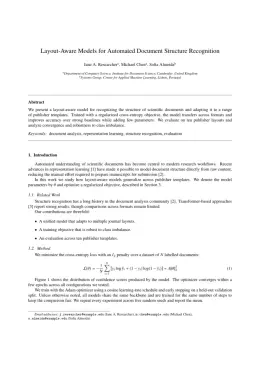
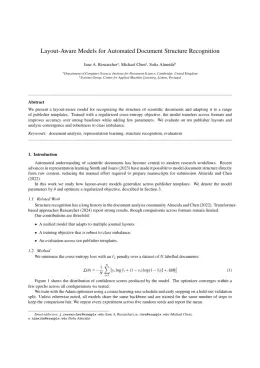
Computers in Human Behavior template — frequently asked questions
How do I write a paper in the Computers in Human Behavior format?
In DocuGuru you write your manuscript in a normal editor — no LaTeX setup required — and select the Computers in Human Behavior template. When you export, DocuGuru compiles the paper into the official Elsevier format and hands you a submission-ready PDF along with the editable LaTeX source.
What reference style does Computers in Human Behavior use?
Computers in Human Behavior uses Numbered (Elsevier) references, shown as numbered [1], [2] markers in the text. DocuGuru formats every in-text citation and the reference list in this exact style automatically. A reference appears like this: [1] A. Smith, B. Jones, C. Lee, A representative article title, Computers in Human Behavior 12 (2023) 45–58.
Do I need to know LaTeX to submit to Computers in Human Behavior?
No. DocuGuru generates the elsarticle LaTeX class and compiles the PDF for you in the background, so you get a Elsevier-ready Computers in Human Behavior document without writing any LaTeX. If you do want it, the LaTeX source is included in the export.
Can I import an existing draft into the Computers in Human Behavior template?
Yes. Paste or upload your current manuscript — Word, LaTeX, Markdown, or plain text — and DocuGuru reflows it into the Computers in Human Behavior format with correct headings, figures, tables, and numbered citations.
Who publishes Computers in Human Behavior?
Computers in Human Behavior is a multidisciplinary journal published by Elsevier. DocuGuru's Computers in Human Behavior template matches Elsevier's official submission format.
Can I export a submission-ready Computers in Human Behavior PDF?
Yes — DocuGuru produces a PDF built with the official Computers in Human Behavior template (the elsarticle class) that is ready to submit to Elsevier, together with the matching LaTeX source files.
How much does the Computers in Human Behavior template cost?
You can start writing in the Computers in Human Behavior template for free. Exporting the final submission-ready Computers in Human Behavior PDF and LaTeX source is part of DocuGuru's paid plans — see the app for current pricing.